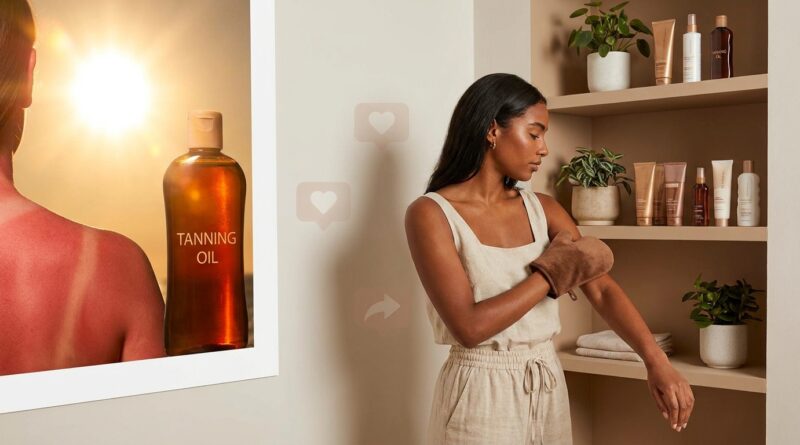
New ‘Tanmaxxing vs. Sunless’ Rule: How To Ditch Dangerous Deep-Tan Challenges Without Losing Your Glow
Your feed makes it look like everybody is chasing the darkest possible tan again, and honestly, that can mess with your head. If you love that bronzed, even, vacation-skin look, you should not have to choose between feeling left out and cooking your skin for it. Dermatologists are warning that “tanmaxxing” is not just a silly trend. Repeated deep UV tanning raises the risk of skin cancer, speeds up wrinkles, and can leave behind blotchy pigment that is much harder to fix than a pale week in July. The good news is you can still get a rich glow. You just need to switch the goal. Stop trying to build color with damage, and start building it with sunless tanning, smart shade, body makeup, and skin prep that makes the color look expensive instead of streaky. Think glow strategy, not sun endurance.
⚡ In a Hurry? Key Takeaways
- Tanmaxxing safety vs sunless tanning is not a close call. Sunless wins if you want color without UV damage.
- For a deeper-looking glow, prep skin well, use gradual tanner or mousse, and add bronzing drops or body makeup where you want extra warmth.
- A real tan is a sign of skin injury, not protection. Even one “base burn” idea can set you up for long-term damage.
Why tanmaxxing is getting pushback
The appeal is easy to understand. A deep tan can make skin look more even, muscles more defined, and summer outfits pop. Social media also edits reality. Filters, lighting, contrast, and color grading make tans look smoother and safer than they are.
What gets lost is the cost. A tan from the sun or tanning bed happens because UV radiation damages skin cells. That damage can show up later as fine lines, rough texture, dark spots, broken capillaries, and in the worst case, skin cancer.
If you have seen people argue that a “base tan” helps prevent burning, it is worth reading New ‘Tanmaxxing Myth’ Rule: The Viral “Base Burn” Trend That’s Pushing Gen Z Back To Real Sun Instead Of Safer Sunless Glow. It breaks down why that idea keeps coming back, and why dermatologists keep saying no.
Tanmaxxing safety vs sunless tanning. The simple version
If your goal is color, sunless tanning gives you the look without asking your skin to absorb UV damage to get there.
What tanmaxxing does
Tanmaxxing usually means trying to get as dark as possible, as fast as possible, often by spending more time in direct sun, reducing protection, or following bad advice online. That may create visible color, but it also creates invisible damage long before your skin shows the receipt.
What sunless tanning does
Self tanner works on the surface of the skin. Most formulas use DHA, which reacts with dead skin cells to create a temporary bronzed look. It is cosmetic color, not UV injury. That means you can go deeper, more even, and more controlled without gambling with your skin every time the weather is good.
How to get that dramatic glow without real UV
1. Prep the skin like you actually care about the finish
This is where most bad self-tan stories start. Dry patches grab too much color. Old tanner turns fresh layers muddy. Friction areas fade weirdly.
Do this instead:
- Exfoliate gently 24 hours before tanning.
- Shave or wax ahead of time, not right before application.
- Moisturize dry spots like elbows, knees, ankles, hands, and feet.
- Skip heavy oils right before tanning unless the product tells you otherwise.
2. Pick the right kind of self tanner
You do not need the darkest mousse on earth to look bronzed. You need the format that matches your patience level and your skill.
- Gradual tanner: Best for beginners or people who want control.
- Mousse: Best for deeper color and quicker results.
- Drops: Good for mixing into face or body moisturizer.
- Body makeup or instant bronzer: Great for same-day events, photos, or extra depth on shoulders and legs.
3. Use “shade hacks” instead of sun marathons
If what you really want is that expensive-looking summer glow, the trick is not more UV. It is contrast and placement.
- Use bronzing body lotion on collarbones, shoulders, shins, and arms.
- Choose warmer-toned clothing like white, coral, teal, or gold to make skin look richer.
- Use a luminous body moisturizer for reflection, which reads as healthy glow.
- Keep your skin hydrated. Dry skin makes any tan look flat.
4. Build depth in layers
This is the biggest switch from tanmaxxing thinking. Do not force the darkest result in one session. Layer it.
One coat of self tanner can look nice. Two or three controlled applications over a few days usually look better. The color reads more natural, fades more evenly, and gives you more control over how bronzed you want to be.
Common mistakes that make people run back to real sun
A lot of people do not quit sunless because it “doesn’t work.” They quit because the first try was patchy, orange, or rushed.
Skipping the hands, feet, and joints strategy
These areas need less product, not more. Use leftover product on the mitt and blend carefully.
Putting tanner on angry skin
If your skin barrier is irritated from acids, retinoids, over-scrubbing, or a fresh shave, self tanner can cling oddly. Calm the skin first.
Expecting a UV tan result from one light layer
Sunless tanning is more like painting a wall than getting a suntan. Thin, even coats beat one dramatic flood every time.
What about sunscreen if you are using self tanner?
You still need it. A fake tan does not protect you from UV. Not even a little in any useful way.
This is where people get tripped up by trends. They think darker-looking skin means safer skin. It does not. Whether your glow came from a bottle or not, sunscreen is still part of the routine if you are outside.
Use broad-spectrum SPF 30 or higher, reapply as directed, and add practical stuff like hats, shade, sunglasses, and cover-ups. You can absolutely look bronzed and still protect your skin.
If you love the look of a deep tan, here is the healthier rule
Chase tone, not trauma.
That means your new routine might look like this:
- Gradual self tanner through the week.
- Instant bronzer for events or photos.
- Hydrating lotion daily to keep the finish smooth.
- SPF every day you are exposed to daylight for any real stretch.
- Shade during peak sun instead of trying to “earn” color.
You still get the aesthetic. You just stop paying for it with future skin problems.
At a Glance: Comparison
| Feature/Aspect | Details | Verdict |
|---|---|---|
| How color is created | Tanmaxxing uses UV exposure that damages skin. Sunless tanning colors the surface layer without needing UV. | Sunless is the safer way to get the look. |
| Control of the result | Real tanning can turn blotchy, red, or uneven fast. Self tanner can be layered and adjusted by formula and depth. | Sunless gives better control. |
| Long-term skin impact | Repeated deep tans raise the risk of wrinkles, dark spots, texture changes, and skin cancer. Sunless avoids that UV damage, though good prep is still needed for best results. | Sunless wins by a mile for skin health. |
Conclusion
You do not have to opt out of the glow just because social media is making extreme tanning look normal again. The smarter move is to separate the aesthetic from the damage. Right now, fresh warnings about tanmaxxing matter because repeated deep tans can leave behind a lot more than summer photos. They can leave long-term skin changes you cannot filter away. The good news is the bronze look is still very much possible. Use self tanner, smart layering, shade, body glow products, and steady skincare instead of real UV. That is the grounded middle path most people actually need. You stay in on the look, skip the worst risks, and keep your skin barrier and your future self out of trouble. That is the kind of tanning advice worth keeping.