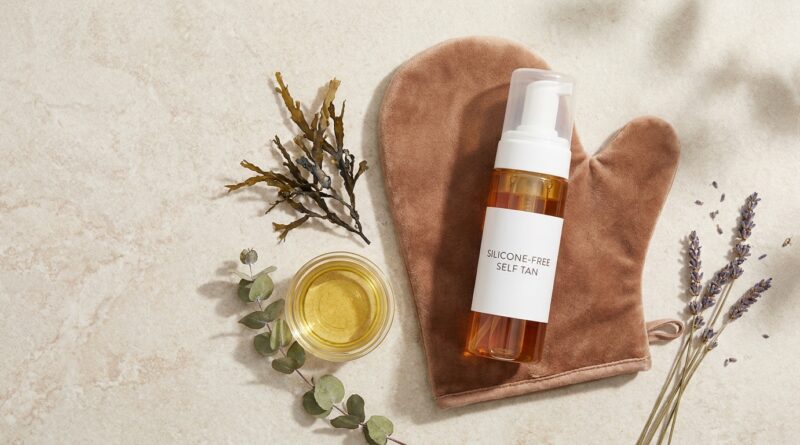
New ‘Silicone-Free Glow’ Rule: How 2026’s Clean Beauty Shift Is Quietly Changing Your Self-Tan Routine
You finally found a self-tanner that behaved. No streaks. No orange knees. No itchy surprise rash two days later. Then suddenly the bottle starts whispering new things like “silicone-free,” “biodegradable,” and “water-safe,” and now you are left wondering if your reliable glow is about to turn into a patchy science experiment. That worry is fair. A lot of beauty brands are quietly changing formulas right now to get ahead of 2026 ingredient rules, especially around certain silicones and other slow-to-break-down emollients. The tricky part is that the front label may sound cleaner while the actual feel, dry time, and skin reaction can change quite a bit. If you have sensitive skin, that matters even more. The good news is you do not need a chemistry degree to protect yourself. A few label-reading habits and a smarter patch test can help you avoid wasting money, wrecking your tan, or irritating your skin.
⚡ In a Hurry? Key Takeaways
- Silicone-free self tanner safety in 2026 mostly comes down to the full formula, not the eco claim on the front.
- Check for new emollients, added fragrance, and preservative swaps before rebuying an old favorite.
- A greener formula can be better for waterways, but it may dry faster, feel tackier, or irritate sensitive skin if you do not patch-test first.
Why your self-tanner may suddenly feel different
When brands remove or reduce certain silicones, they often have to rebuild the texture from scratch. Silicones helped many self-tanners glide on smoothly, spread evenly, and dry with that silky, almost powdery finish people like.
Take those out, and the brand has to replace them with something else. That can mean plant oils, esters, sugar-derived emollients, or film-formers that are more biodegradable. Those are not bad. But they do behave differently on skin.
That is the heart of the issue with silicone free self tanner safety 2026. The safety question is not just “Are silicones gone?” It is “What showed up in their place, and how does your skin handle it?”
What is driving the 2026 clean beauty shift?
Europe has been tightening attention on ingredients that linger in the environment, especially some forms of silicone and other non-biodegradable materials used in rinse-off and leave-on cosmetics. Even when a rule starts in Europe, big global brands often update their formulas more widely instead of making separate versions forever.
That means US shoppers can start seeing the effects before a big press release ever lands. Same bottle shape. Same brand name. Sometimes even the same shade name. But the ingredient list and the feel on skin can quietly change.
For self-tanner users, that can affect three things fast.
1. Slip and spread
A mousse that used to glide may now grip faster. Good for quick drying, maybe. Not so good if you need extra blending time around wrists and ankles.
2. Dry-down time
Some greener bases dry faster. Others stay tacky longer because brands are using different moisturizers or humectants to replace the old silky finish.
3. Sensitivity risk
When one ingredient goes out, fragrance, preservatives, and botanical extracts sometimes shift too. That is where people with reactive skin can get caught off guard.
Silicone-free does not automatically mean safer
This is the part labels rarely explain. “Silicone-free” sounds reassuring, but it is not a medical promise. It does not tell you whether the product is fragrance-free, essential-oil-free, fungal-acne-friendly, or less likely to sting after shaving.
A silicone-free formula can still contain:
- Fragrance blends that trigger redness
- Citrus or floral extracts that bother sensitive skin
- Preservatives your skin does not love
- Drying alcohols that make a tan fade unevenly
So yes, cleaner formulas can be better for the planet. But for your skin, the real test is the full ingredient list and how the formula behaves on you.
Ingredients to watch when your favorite tanner gets reformulated
You do not need to memorize an entire cosmetic dictionary. Just scan for a few common patterns.
Common silicones that may disappear
- Dimethicone
- Cyclopentasiloxane
- Cyclohexasiloxane
- Trimethicone
If those used to be near the top of the list and now they are gone, expect the feel to change.
Common replacements you may see instead
- Coco-caprylate/caprate
- Dicaprylyl carbonate
- C13-15 alkane
- Hemisqualane or squalane
- Caprylic/capric triglyceride
- Isoamyl laurate
These are often used to mimic a lighter slip without traditional silicones. Many people do great with them. Some find them oilier, shinier, or slower to set.
Other quiet changes that matter more than the silicone switch
- Fragrance added or moved higher up the list. If it is now more prominent, your skin may notice.
- Preservative swaps. Look for phenoxyethanol, sodium benzoate, potassium sorbate, or benzyl alcohol changes if you know your triggers.
- Botanical extras. Aloe, citrus peel oils, lavender, and plant extracts sound nice, but they can irritate some people.
- Alcohol content. Fast-drying formulas often rely more on alcohol, which can sting freshly exfoliated or shaved skin.
How to tell if “same product” is actually a new formula
This is where shoppers get burned. The shade name and packaging may look nearly identical.
Look for clues like:
- “Now silicone-free” or “new clean formula” in tiny print
- A different ingredient list on the brand site versus your old bottle
- New claims like “ocean-safe,” “biodegradable,” or “reef-conscious”
- Recent reviews suddenly mentioning stickiness, faster drying, or irritation
If you are buying online, compare the ingredient photo if possible. If you are in-store, snap a picture of your old bottle before you shop. It sounds fussy, but it beats finding out at 10 p.m. before a wedding.
Patch-test smarter with greener self-tanner formulas
A lot of people patch-test badly. They dab a little on their arm, wait ten minutes, and call it good. That does not tell you much with self-tanner.
Use this better patch test
- Apply the tanner to a small area on your inner forearm or outer thigh.
- Use it exactly as directed, including any mitt or prep step.
- Wait the full development time, then rinse if the product says to rinse.
- Watch the area for 24 to 48 hours, not just the first hour.
- Check both color and skin response. Look for itching, bumps, warmth, dryness, or weird patchy fade.
If you have very reactive skin, do a second test on skin that acts more like your usual tanning zone, such as the leg. A formula can behave very differently on dry shins than on your arm.
How application may need to change with silicone-free formulas
If your old routine suddenly stops working, it may not mean the new tanner is bad. It may just need a different approach.
Use less product at first
Some silicone-free formulas spread thinner than expected. If you use your old amount, you can end up overloading elbows, knees, and ankles.
Work in smaller sections
Greener bases can set faster. Do one calf, then the other. One forearm, then the next. Do not coat your whole body and plan to blend later.
Moisturize dry zones more carefully
If the formula has less slip, dry patches will grab color faster. Put a light, plain moisturizer on knuckles, knees, ankles, heels, and around the wrists.
Give it extra fade attention
Some new formulas wear off more evenly. Some cling in odd spots because the emollient system changed. A soft washcloth and gentle exfoliation every few days can help prevent blotchy leftovers.
If you have sensitive skin, focus on these red flags first
If your skin reacts easily, keep your screening simple. Before you care about the marketing claim, check these items:
- Fragrance or parfum
- Essential oils
- High alcohol content
- New preservatives
- Heavy plant extract blends
Also think about timing. Applying self-tanner right after shaving, exfoliating acids, retinoids, or a hot shower can make even a decent formula sting more than usual.
Is this change actually good for consumers?
Mostly, yes. Cleaner and more biodegradable ingredients can reduce the environmental footprint of products that wash off us and into water systems. That is a real benefit.
But the transition period is messy. During reformulation waves, shoppers end up doing unpaid detective work. One bottle becomes slightly tackier. Another suddenly smells stronger. A third goes on beautifully but fades in weird patches because the base changed.
So the smart move is not panic. It is paying a little more attention than usual when you repurchase.
What to do before you rebuy your usual self-tanner
- Compare the ingredient list with your old bottle if you can.
- Read the newest reviews, not the five-star ones from two years ago.
- Patch-test before a big event.
- Expect to tweak your prep and application timing.
- Do not assume “silicone-free” means “gentle.”
At a Glance: Comparison
| Feature/Aspect | Details | Verdict |
|---|---|---|
| Texture and spread | Silicone-free formulas may feel less silky and may grab faster on dry spots. | Plan on smaller sections and lighter application at first. |
| Skin sensitivity | Irritation risk often comes from fragrance, alcohol, botanicals, or preservative changes more than silicone removal itself. | Read the full label and patch-test every reformulated product. |
| Eco benefit | Brands are moving toward more biodegradable and water-conscious ingredients as rules tighten, especially in Europe. | Good for the planet, but not always a drop-in replacement for your old routine. |
Conclusion
The clean beauty shift is real, and self-tanner is getting pulled along with it. Big brands are quietly reformulating now to get ahead of bans and restrictions on certain silicones and non-biodegradable emollients, especially in Europe, which often nudges US shelves next. That is good news for cleaner oceans and safer ingredient choices over time. But it also means your favorite tanner can change its texture, dry time, and even irritation risk without loudly announcing “new formula.” The best defense is simple. Scan for common silicone replacements, watch for hidden fragrance and preservative shifts, and patch-test like you mean it. Do that, and you can skip the surprise rashes, blotchy fades, and wasted money while still supporting products that are trying to be better for the planet.