New ‘Tanmaxxing Detox’ Rule: How To Ditch Extreme UV Trends And Still Keep Your Deep Glow In 2026
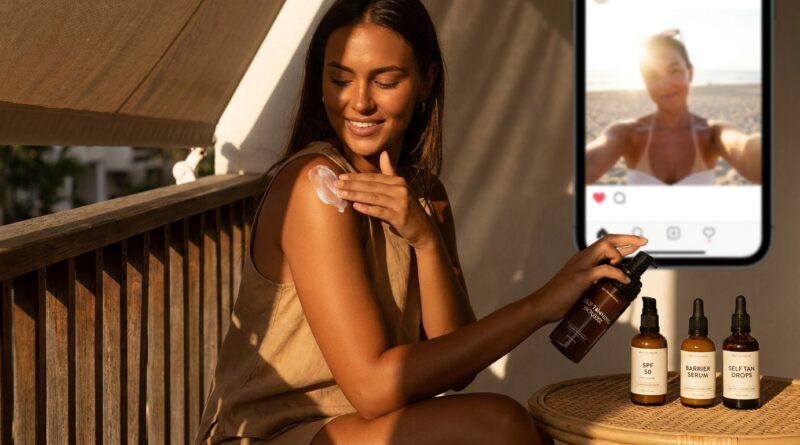
Your feed can make risky tanning look weirdly normal. One day it is sunscreen, shade and common sense. The next, it is “tanmaxxing,” long UV sessions and people bragging about skipping SPF to get darker, faster. If you love a bronzy look, that pressure is real. Nobody wants to feel left out or show up pale in a sea of deep glow selfies. But this is the part worth saying clearly. A tan from the sun or tanning bed is not protective, and it is not a skin health win. It is a sign of UV damage. The good news is you do not have to choose between being careful and looking glowy. The new rule for 2026 is simple. Stop chasing UV depth. Start building color with sunless tanning, then protect the skin you are in. That gives you the look you want, without rolling the dice on melanoma, burns, early wrinkles or a wrecked skin barrier.
⚡ In a Hurry? Key Takeaways
- Tanmaxxing has no safe version with zero SPF. A tan from UV exposure is skin damage, not protection.
- The safest switch is a sunless tanning routine that gives you deep color, then daily SPF to keep your skin calm and even.
- You can still get a rich glow by next weekend with self-tanner, smart prep and gradual top-ups instead of marathon sun sessions.
The new “Tanmaxxing Detox” rule in one sentence
If you want a deep glow in 2026, get the color from a bottle and the protection from sunscreen.
That is the whole blueprint. It sounds almost too simple, but it solves the problem that social trends create. You want visible color. You do not want the burns, the spotty fade, the dryness, the fine lines and the long-term skin cancer risk that come with extreme UV exposure.
This is why the best tanmaxxing sunless tanning safe alternative is not a watered-down compromise. It is the smarter route. You control the shade, the timing and the finish.
Why dermatologists are pushing back so hard
There is a stubborn myth that a “base tan” helps protect you. It does not work the way people online suggest. Any tan from UV rays means your skin has already been injured. Even if you do not burn, the damage still counts.
That matters because repeated UV exposure adds up. It can raise the risk of melanoma and other skin cancers. It also breaks down collagen, which is why heavy tanners often notice leathery texture, uneven pigment and wrinkles earlier than they expected.
What about tanning beds?
Same problem. Different machine. Tanning beds still expose your skin to UV radiation. They are not a harmless shortcut. If your goal is glow without the danger, beds do not belong in the plan.
How to quit extreme UV tanning without feeling like you “gave up” the look
This is where most people get stuck. They hear “stop tanning,” and what they actually hear is “stop looking how you like.” That is why detoxing from tanmaxxing works better when you swap, not just subtract.
Your replacement plan has three parts.
1. Keep the bronze
Use self-tanner or a professional spray tan to create the depth.
2. Keep the polish
Exfoliate lightly, moisturize dry areas and apply evenly so the color looks expensive, not streaky.
3. Keep the protection
Wear broad-spectrum SPF every day, especially on the face, chest, shoulders and hands. That helps prevent burns and also helps your skin tone stay smoother over time.
If you want a step-by-step way to make the switch, this guide is worth reading: New ‘Tanmaxxing-Safe Glow’ Rule: How To Use Self‑Tanner To Opt Out Of The UV Tanning Trend. It fits perfectly if you are trying to leave the UV trend behind without losing your signature color.
Your 7-day “deep glow” reset plan
If you have an event next weekend, here is a practical schedule that works for most people.
Day 1: Stop the damage
No tanning bed. No “just 20 minutes” with no SPF. Start sunscreen right away. If your skin is irritated or dry from sun exposure, use a gentle moisturizer and skip harsh scrubs.
Day 2: Prep the canvas
Exfoliate gently. Focus on rough spots like elbows, knees and ankles. Shave or wax at least a day before self-tanner if that is part of your routine. Moisturize well afterward.
Day 3: Apply your base color
Use a mousse, lotion or spray that matches how deep you want to go. A mitt helps a lot. Start with thin, even layers. Use less product on hands, wrists, ankles, knees and feet.
Day 4: Check and top up
See how the color developed in natural light. If you want more depth, add a second layer or use a gradual tanning lotion to deepen slowly and evenly.
Day 5 to 7: Maintain, do not chase
Moisturize daily. Pat skin dry after showers. Avoid long, hot baths if you want the tan to last. Reapply only where needed instead of coating your whole body again and again.
How to get a darker result with self-tanner, safely
A lot of people go back to UV because they think self-tanner cannot get them dark enough. Usually the issue is technique, not the product category.
Choose the right formula
Mousse tends to dry fast and layer well. Lotions can be easier for beginners. Drops are useful for the face. Gradual tanners are great if you want to sneak up on a deeper shade without sharp lines.
Layer instead of overloading
One heavy coat often turns patchy. Two lighter coats, spaced apart, usually look deeper and more natural.
Prep dry zones
A tiny bit of moisturizer on elbows, knees, knuckles and ankles helps stop those areas from grabbing too much color.
Use bronzing makeup for same-day impact
If you need an instant boost for one night, body bronzer can add depth and sheen on top of your sunless tan. Think of it like the finishing gloss, not the base layer.
What to do if you still want some real sun
You do not have to hide indoors forever. The detox rule is not “never go outside.” It is “stop using UV as your color tool.”
Enjoy the beach, the pool and the patio. Just protect your skin while you are there.
Use broad-spectrum SPF 30 or higher
Apply enough. Most people use too little. Reapply after swimming, sweating or spending a couple of hours outside.
Pick your timing
Midday sun is roughest. Shade, hats and cover-ups make a bigger difference than people think.
Do not save sunscreen for “burn days”
UVA can still damage skin even when you are not getting red. Daily use matters.
Signs your skin needs a break right now
If any of these sound familiar, your skin is asking for less UV, not more:
- It feels tight, dry or stingy after sun exposure.
- You keep getting uneven patches of color.
- Your chest or shoulders stay pink for hours.
- You are seeing more freckles, dark spots or rough texture.
- You need longer and longer sessions to get the same tan.
That last one is important. Chasing a darker tan often turns into a cycle where the goalpost keeps moving. The algorithm loves extremes. Your skin does not.
How to make the switch feel socially easy
Sometimes the hardest part is not the routine. It is the vibe. If your friends are still doing long tanning sessions, you may not want a lecture or an awkward debate.
Keep it simple. Say you are doing sunless this season because it looks more even and does not wreck your skin. That is true, and it usually ends the conversation.
You do not owe anyone a dramatic announcement. Quietly changing your method is enough.
Common mistakes that make people think sunless tanning “doesn’t work”
Applying on unprepped skin
Dry patches grab color. Smooth skin makes all the difference.
Skipping moisturizer after the tan develops
Hydrated skin fades better. Dry skin gets patchy.
Using too dark a formula too fast
Going one shade deeper in layers often looks better than jumping straight to the darkest option.
Forgetting hands and feet need a light touch
This is where many at-home tans give themselves away.
Thinking self-tanner replaces SPF
It does not. Cosmetic color is not sun protection.
At a Glance: Comparison
| Feature/Aspect | Details | Verdict |
|---|---|---|
| UV tanning for deeper color | Can darken skin, but the color comes with UV damage, faster aging and higher skin cancer risk. | Not a safe option |
| Self-tanner and spray tans | Give visible bronze without UV exposure. Shade, timing and maintenance are easier to control. | Best safe alternative |
| SPF with a sunless tan | Protects skin while letting you keep your cosmetic glow. Helps prevent burns, pigment issues and long-term damage. | Essential part of the routine |
Conclusion
Extreme UV trends are back on social media, but you do not have to follow them just to keep your glow. There is no safe or protective tan from the sun or from tanning beds. That is the part worth holding onto when the feed gets loud. The calm, practical move is to bow out of tanmaxxing now, switch to sunless color, wear your SPF and show up next weekend with a deep, even bronze that did not cost your skin its health. That is the real win. You keep the look, lower the risk and stop letting an algorithm talk you into treating skin damage like a beauty goal.