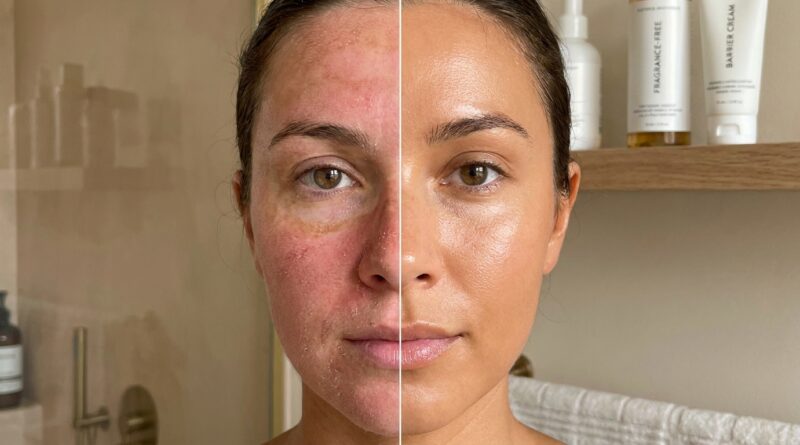
New ‘Skin-Barrier-First Tan’ Rule: How To Fake Glow Without Wrecking Your Face In 2026
Your face should not feel punished for wanting a little glow. That tight, itchy, slightly stingy feeling after face tanner is not “just how tanning works.” It is often your skin barrier waving a red flag. That matters more in 2026 than ever, because “skin barrier” has gone from skincare jargon to the basic rule behind healthy skin. The problem is that many face tanners still show up loaded with fragrance, drying alcohols, and extra actives your skin did not ask for. So you get color, but also flakes, clogged pores, or random angry patches around your nose and chin. The good news is simple. You do not need to quit self-tanner. You need a skin barrier safe self tanner routine that protects your face before, during, and after DHA touches your skin. Think of it less like “apply and hope,” and more like setting your skin up to cope well.
⚡ In a Hurry? Key Takeaways
- A skin barrier safe self tanner routine starts with a calm, hydrated face and a simple formula, not the strongest tan you can find.
- Skip acids, retinoids, scrubs, and heavily fragranced products for at least a day around tanning to cut stinging, dryness, and breakouts.
- If your face burns, turns blotchy, or keeps breaking out after tanning, your barrier may be irritated. Scale back and rebuild before your next application.
Why face tanner can mess with your skin barrier
Your skin barrier is the outer layer that helps keep moisture in and irritants out. When it is in good shape, skin feels comfortable, smooth, and less reactive. When it is struggling, everything feels louder. Cleanser stings. Moisturizer burns. Tanner suddenly looks patchy.
Face self-tanner is not automatically bad. But some formulas stack up a few common troublemakers at once. DHA can be drying for some people. Fragrance can irritate sensitive skin. Drying alcohols can leave your face feeling stripped. Preservatives and extra actives can also push reactive skin over the edge.
That does not mean self-tanner is off-limits. It means your routine has to do more of the heavy lifting.
The new rule for 2026: barrier first, bronze second
This is the big shift. For years, people picked face tanner by shade, speed, or glow level. Now the smarter order is different.
First ask, “Will this keep my skin calm?” Then ask, “Will this make me tan?”
If a product gives decent color and your skin stays happy, that is a better long-term win than a darker tan that leaves you flaky, bumpy, and trying to fix the fallout for a week.
Signs your current face tanner is not barrier-friendly
Watch for these clues:
- Stinging on application
- Tightness a few hours later
- Dry patches grabbing extra color
- Itchy cheeks or jawline
- New clogged pores or small breakouts
- Redness around the nose, mouth, or eyes
If two or three of those keep happening, your formula or routine needs adjusting.
How to build a skin barrier safe self tanner routine
1. Start with a calm face, not a freshly “deep cleaned” one
This is where many people go wrong. They exfoliate hard, use a strong cleanser, maybe throw on an acid toner, then apply tanner. It feels like prep. In reality, it can leave your barrier more open and reactive.
Better move. Cleanse gently. Pat dry. Make sure your skin is not already irritated from over-cleansing, scrubbing, or treatment products.
2. Pause strong actives around tanning day
If your skin is sensitive or acne-prone, give it a small vacation from the intense stuff. That usually means pressing pause on:
- Retinoids
- AHAs and BHAs
- Benzoyl peroxide
- Scrubs and peeling pads
- Strong vitamin C if it tends to sting
A good rule is to skip them the night before and the night of tanning, then reintroduce carefully if your skin feels normal.
3. Use a light moisturizer as a buffer if your skin runs dry or reactive
You do not always have to apply tanner to bare skin. If your face gets tight easily, a thin layer of plain, fragrance-free moisturizer first can help reduce irritation. Let it sink in for a few minutes, then apply your tanner.
Yes, this may slightly soften the depth of the tan. That is fine. Comfortable skin beats one extra shade darker.
4. Keep the formula simple
Look for face tanners that are:
- Fragrance-free or low-fragrance
- Alcohol-free, or at least not heavy on drying alcohols
- Free of added scrubbing acids if your skin is sensitive
- Labeled for sensitive skin when possible
If the ingredient list reads like a perfume counter and an active-serum mash-up, maybe keep shopping.
5. Apply less than you think
Another easy fix. Overapplying does not just deepen color. It can also increase dryness and make clogged areas more obvious. Start with a small amount, spread it evenly, and build slowly over a few nights if needed.
6. Avoid broken or freshly picked skin
If you have active irritation, raw acne spots, or a healing rash, skip tanning that area. DHA can catch strangely on damaged skin and make the area look darker or more obvious.
What to do right after applying face tanner
Once your tanner is on, the barrier-friendly part is keeping the rest of your routine boring. Boring is good here.
Use bland hydration
Later, once the tanner has set according to the product directions, stick with a simple moisturizer. Ceramides, glycerin, squalane, and hyaluronic acid are all useful if your skin likes them.
Do not chase “extra glow” with harsh products
It is tempting to pile on exfoliating pads or strong brightening serums when your face looks a little uneven the next morning. That usually makes things worse. Let the tan settle first.
Protect the tan without drying your face out
A healthy barrier also helps your glow fade more evenly. If you are trying to keep your tan looking fresh while dealing with daily screen time and sun exposure, read New ‘Blue-Light Tan’ Rule: How To Protect Your Fake Glow From Screens And UV In 2026. It fits nicely with this barrier-first approach.
Best routine by skin type
Sensitive skin
Pick the simplest face tanner you can find. Patch test first. Moisturizer-buffer if needed. Skip actives for a day or two around tanning. Reapply slowly, not nightly unless your skin truly tolerates it.
Acne-prone skin
Watch for fragrance-heavy formulas and rich products that leave you greasy. But do not swing too far into stripping cleansers and alcohol-heavy tanners either. Your goal is balanced, not squeaky clean. If breakouts show up in the same places every time, your product may be too irritating or too occlusive for your skin.
Dry skin
Hydration is your prep step, not an afterthought. A light, fragrance-free moisturizer before tanning often helps a lot. Keep moisturizing daily so dry patches do not grab and turn darker.
Oily but dehydrated skin
This skin type gets overlooked. If your face is shiny but feels tight after washing, your barrier may still be struggling. Use a gentle cleanser, skip over-exfoliating, and choose a fluid or serum-style tanner without heavy fragrance.
Patch testing is not overkill
I know. Patch testing sounds annoying. But if your skin has ever reacted badly to a face product, this is the step that saves you from waking up with a blotchy forehead before an event.
Try a small amount near the jawline or side of the face for a day or two. Check for stinging, redness, tiny bumps, or delayed itching. If your skin stays calm, then go ahead.
Common mistakes that wreck the barrier fast
- Using exfoliating acids right before tanning
- Applying tanner over windburned, sunburned, or irritated skin
- Choosing “extra dark” formulas when your skin can barely handle the base formula
- Layering tanner on top of fragranced serums
- Trying to scrub off a patchy tan aggressively
If your tan goes uneven, do not attack your face with scrubs. Use gentle cleansing, moisturizer, and time. Your skin barrier will thank you.
If your face already feels damaged, do this first
Pause tanning for a few days. Go back to basics.
- Gentle cleanser
- Fragrance-free moisturizer
- Simple sunscreen in the daytime
- No strong acids or retinoids until your skin feels normal again
When the tightness, flaking, or sting settles down, then test your tanner again more carefully. A damaged barrier is bad at playing nice with almost anything.
At a Glance: Comparison
| Feature/Aspect | Details | Verdict |
|---|---|---|
| Prep routine | Gentle cleanse, no harsh exfoliation, pause strong actives, use light moisturizer if needed | Best for keeping skin calm and tan even |
| Tanner formula | Low-fragrance or fragrance-free, fewer drying alcohols, no extra harsh actives | Safer choice for sensitive and acne-prone faces |
| Aftercare | Simple hydration, no panic scrubbing, restart treatments slowly | Helps the glow fade evenly with fewer flare-ups |
Conclusion
The smartest tanning rule right now is simple. Protect your skin barrier first, then build your glow on top of it. Mainstream beauty sites and derms are finally treating barrier health like the center of good skincare, but very few connect that advice to self-tanner, even though DHA, fragrance, and some preservatives can make sensitive or acne-prone skin act up fast. That is why a skin barrier safe self tanner routine matters so much. It gives you a practical way to keep using the sunless products you love without signing up for stinging, dryness, and surprise breakouts. If your face has been telling you it is not happy, listen to it. Switch to gentler prep, simpler formulas, and slower layering. You can absolutely fake a healthy bronze in 2026. You just do it with less drama, less irritation, and a lot more respect for your skin.