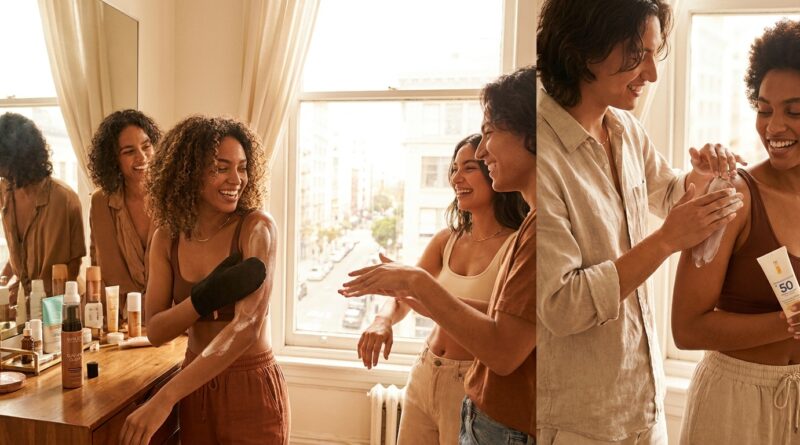
New ‘Tanmaxxing-Safe Glow’ Rule: How To Use Self‑Tanner To Opt Out Of The UV Tanning Trend
If your feed suddenly makes long tanning sessions look normal again, you are not imagining it. “Tanmaxxing” has a slick name, but the old idea underneath it is simple. Spend more time in UV, get darker, call it a glow. That can feel weirdly pressuring, even if you already know tanning beds and baking in the sun are rough on your skin. Nobody wants to be the person saying, “Actually, I’m skipping the damage,” while everyone else posts beach selfies. The good news is you do not have to choose between skin health and looking bronzed. A tanmaxxing safe alternative self tanner routine gives you the color without the UV gamble. Think of it as the new rule for a smart glow. If the goal is golden skin, there is a much easier way to get there, and it does not involve roasting yourself to prove a point.
⚡ In a Hurry? Key Takeaways
- Self-tanner is the safest way to get a bronzed look if you want to opt out of the tanmaxxing trend.
- Pick the right formula, prep dry areas, and apply in thin layers for a believable, streak-free glow.
- A fake tan does not protect you from the sun, so you still need SPF and shade habits.
The New “Safe Glow” Rule
Here is the rule. If your goal is color, use sunless color first. Not a “base tan.” Not a quick burn before vacation. Not a tanning bed “just for an event.” If you want the look of a tan, the tanmaxxing safe alternative self tanner approach is the one that makes the most sense.
Why? Because a UV tan is your skin responding to damage. A self-tan is just color sitting in the top layer of skin. Those are not the same thing.
This is the part social media clips often skip. They show the glow. They rarely show the long game, like more wrinkles, uneven pigment, and a higher skin cancer risk over time.
Why “Tanmaxxing” Is Pulling People Back In
The trend works because it wraps an old habit in new language. It sounds optimized. Controlled. Almost healthy. But “healthy glow” and “UV exposure” do not suddenly become best friends because TikTok gave it a catchy label.
It also plays on a real social problem. A tan is still treated like proof you had fun, went somewhere nice, or are somehow more polished. So if your friends are chasing color the risky way, it can feel like your only choices are join in or look left out.
You have a third option. Get the glow without the UV.
How To Use Self-Tanner As Your Tanmaxxing Safe Alternative
1. Pick the formula that matches your real life
If you are new to self-tanner, start with something forgiving. A gradual lotion or tanning water is easier than a super-dark mousse. If you want fast payoff for an event, mousse is usually the quickest path to visible color.
Simple cheat sheet:
- Gradual lotion: Best for beginners, dry skin, and subtle color.
- Mousse: Best for stronger color and faster results.
- Drops: Best for mixing into moisturizer on the face or body.
- Mist: Best for quick touch-ups, but apply carefully.
If you like spray formats, it is worth reading New ‘Spray-Tan Safe Zone’ Rule: How To Use Sunless Mists Without Breathing In The Bad Stuff. It covers a concern a lot of people have but do not always say out loud.
2. Prep like an adult, not like a dare
A good self-tan starts before the bottle opens. Exfoliate the day before or at least several hours ahead. Pay extra attention to ankles, knees, elbows, and wrists. Then moisturize those same dry spots lightly right before you apply tanner.
That one step matters. Dry skin grabs too much color and is usually the reason people end up saying self-tanner “went orange” or “looked patchy.”
3. Use less product than you think
Most self-tan mistakes come from overdoing it. Start with a light layer. Blend in circles with a mitt. Work one section at a time. Legs, arms, torso. Then use what is left on the mitt for hands, feet, knees, and elbows.
If you want to look naturally bronzed, stop chasing “dark enough” in one session. Build color over two applications instead.
4. Face tanning needs a lighter hand
Your face usually holds onto color differently than your body because of skincare products, exfoliants, and cleansing. Use face-specific tanning drops or a very light layer of your regular tanner mixed with moisturizer.
A little goes a long way. The goal is “you look fresh,” not “you look shellacked.”
5. Let it develop, then leave it alone
Wear loose clothes. Skip sweating if you can. Wait the brand’s suggested time before rinsing if it is a wash-off guide color formula. After that, moisturize daily to help the tan fade evenly.
When it starts looking tired, remove the leftovers with gentle exfoliation and reapply. Do not keep piling fresh tanner on top of rough, flaky patches and hope for magic.
The Script For Opting Out Without Feeling Weird
You do not need a speech. You need one calm sentence you can actually use.
- “I still like the bronzed look, I just do self-tanner now.”
- “I’m off the intentional tanning thing, but I’m not giving up the glow.”
- “My skin does better with fake tan and SPF, so that’s my move now.”
- “I’m not trying to collect sun damage for aesthetic reasons.”
That last one is a little sharper. Keep it in your back pocket for repeat offenders.
What Self-Tanner Can Do, And What It Cannot
Self-tanner can give you color. It can even out the look of your skin. It can make you feel more confident in shorts or a swimsuit. Great.
What it cannot do is protect you from UV. A fake tan is not sunscreen. It is not a base tan. It is not armor.
So the full safe-glow setup looks like this:
- Self-tanner for color
- Broad-spectrum SPF for protection
- Shade, hats, and common sense for backup
If You Are Worried Self-Tanner Will Look Fake
Fair concern. A lot of us remember old-school formulas that smelled odd and turned everyone the same strange shade. Products are better now, but technique still matters.
For the most believable result:
- Choose a shade only one or two levels deeper than your natural skin tone.
- Apply at night so you are not rushing.
- Use a mitt for the body.
- Buff joints and edges with leftover product, not a fresh pump.
- Keep palms and nails clean.
Natural-looking color usually beats maximum color. Every time.
At a Glance: Comparison
| Feature/Aspect | Details | Verdict |
|---|---|---|
| UV tanning | Creates real pigment after UV exposure, but adds skin damage and long-term risk. | Looks tempting, not worth the tradeoff. |
| Self-tanner | Adds temporary color to the top layer of skin without UV exposure. | Best tanmaxxing safe alternative self tanner option. |
| SPF and shade | Prevents UV damage, but does not create bronzed color on its own. | Use with self-tanner, not instead of it. |
Conclusion
Clinicians are sounding the alarm for a reason. Trends like tanmaxxing can make intentional tanning feel normal again, right when skin-cancer groups are begging people to cut back on UV. If you are tired of that pressure, you do not have to choose between fitting in and protecting your skin. Self-tanner is the practical middle path. You still get the golden look. You skip the part where “glow” comes from damage. That is the real safe-glow rule. Go ahead and enjoy the bronze. Just let the bottle do the work, and let SPF handle the sun.