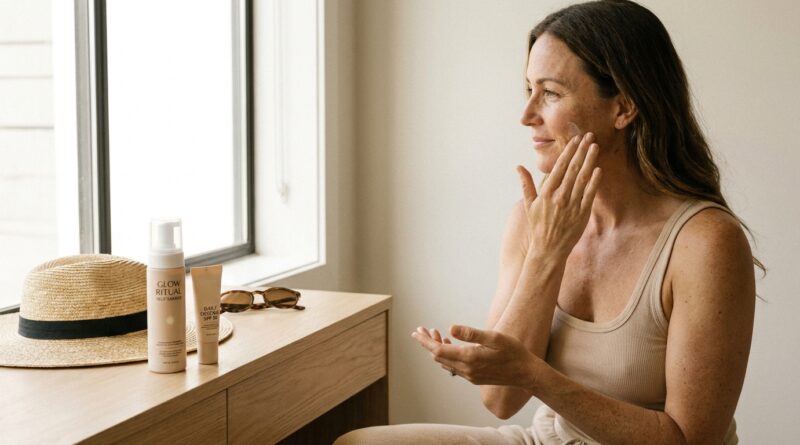
New ‘Premature Aging Safe Tan’ Rule: How To Protect Your Glow From Fine Lines In Your 30s, 40s And Beyond
You are not imagining the mixed messages. One minute, you feel proud for swapping tanning beds and sunbathing for self-tanner. The next, your feed is full of warnings about chest wrinkles, collagen loss, dark spots, and “photoaging.” It is enough to make anyone wonder if a bronze glow is secretly aging them anyway. Here is the simple answer: self-tanner does not cause the same kind of premature aging that UV tanning does. The real problem is thinking a fake tan protects you from the sun, because it does not. If you want the glow without speeding up fine lines in your 30s, 40s, and beyond, the goal is not to give up self-tanner. The goal is to pair it with boring but effective habits like sunscreen, shade, and a little extra care for your neck, chest, and hands. That is the new safe tan rule in plain English.
⚡ In a Hurry? Key Takeaways
- Self-tanner does not prevent premature aging, but it is much safer for your skin than getting a real tan from UV exposure.
- Use self-tanner for color, then use broad-spectrum SPF every day on your face, neck, chest, and hands to protect your skin.
- A fake tan can make you look healthy and sun-kissed, but it gives you zero meaningful sun protection, so skip the “base tan” myth.
Does self tanner prevent premature aging?
No. Self-tanner does not prevent premature aging.
What it does do is help you avoid one of the biggest causes of premature aging, which is UV exposure from the sun or tanning beds. That is a big difference.
Think of self-tanner like makeup for your skin tone. It changes the look of the top layer of skin, but it does not act like sunscreen, repair collagen, or block the damage that causes wrinkles and spots. So if your question is “does self tanner prevent premature aging,” the honest answer is no. But if your question is “is self-tanner a smarter choice than lying in the sun to get color,” then yes, absolutely.
Why dermatologists are so serious about UV tans
Derms keep repeating this because people still hear “healthy tan” and think a little color is harmless. It is not. A tan from UV exposure is your skin reacting to injury.
Over time, that injury shows up as:
- Fine lines
- Rough or leathery texture
- Dark spots and uneven tone
- Crepey skin on the chest
- Loss of firmness from collagen breakdown
- More visible aging on the face and hands
This is what people mean by photoaging. It is aging that comes largely from the sun, not just from birthdays.
The “base tan” idea is still a trap
A lot of people still get a little tan before vacation thinking it will protect them. That advice is old, and it was never very good. A base tan gives very little protection and comes with damage attached. If you want to look bronzed on day one of a trip, use a self-tanner or spray tan before you go.
What self-tanner actually does
Most sunless tanners use DHA, which reacts with the very top layer of dead skin cells and creates a darker appearance. That is why the glow fades as your skin naturally sheds.
That means three useful things:
- It does not require UV exposure to create color.
- It sits on the surface, so it is temporary.
- It does not provide real sun protection.
So yes, self-tanner is the better path if you love a bronzed look. Just do not mistake “safer than sunbathing” for “protective.” They are not the same thing.
The new premature aging safe tan rule
Here is the rule that makes life simpler: use self-tanner for color, and use sun protection and basic skincare to keep the color from costing you your skin later.
That is it. Not glamorous, but it works.
Your repeatable daily routine
If you want one realistic ritual, start here:
- Apply a gentle moisturizer morning and night, especially to the face, neck, chest, and hands.
- Use broad-spectrum SPF 30 or higher every morning, even if you have self-tanner on.
- Reapply sunscreen when you are outside, driving long distances, at the beach, or near windows for hours.
- Use self-tanner at night or on a separate schedule from your morning SPF routine.
- Wear hats, sunglasses, and cover-ups when you can.
If you do just that consistently, you are already ahead of most people.
Where glow-lovers often get tripped up
1. Forgetting the chest and hands
People usually protect the face and ignore the neck, upper chest, and hands. Then years later, those spots give the game away. If you care about premature aging, these areas matter almost as much as your face.
2. Using self-tanner and skipping sunscreen
This is the big one. A fake tan can make you look less pale, which sometimes tricks people into feeling less vulnerable in the sun. But your skin is not any safer. If anything, that false sense of security can lead to more damage.
3. Over-scrubbing to “fix” uneven fading
Harsh scrubs and rough exfoliating gloves can irritate skin, especially on the chest. Gentle exfoliation is fine. Aggressive rubbing, not so much.
4. Ignoring skincare because the tan masks texture
Self-tanner can blur the look of uneven tone for a few days, but it does not fix dryness or sun damage underneath. Moisturizer, SPF, and maybe a simple retinoid or antioxidant routine matter more in the long run than any tanning product.
How to keep your self-tan from settling into fine lines
This part is more cosmetic than medical, but it helps.
- Moisturize dry areas before applying self-tanner.
- Use less product on elbows, knees, wrists, and knuckles.
- Blend lightly over neck lines and chest lines instead of loading up those areas.
- Keep skin hydrated after the tan develops so it fades more evenly.
- Do not pile on tanner every day if your skin is getting patchy.
A dehydrated chest can make self-tanner look older than it should. A hydrated chest looks smoother, and the tan usually sits better.
If you are in your 30s, 40s, or beyond, focus on these zones
Aging from UV does not show up evenly. Some areas take the hit first.
Face
Daily SPF matters more than almost anything else. If you use active skincare like retinoids, keep your skin barrier happy so your self-tan does not go patchy.
Neck
The neck often gets forgotten and ages fast. Bring your moisturizer, sunscreen, and any gentle anti-aging products down from the jawline.
Chest
This is a huge trouble spot for sun lovers. Protect it early. Chest lines and mottled pigment can sneak up on you.
Hands
Hands show sun damage quickly, especially if you drive a lot. SPF on the backs of your hands is worth the tiny extra effort.
What about spray tans?
Same basic rule. Spray tans give cosmetic color. They do not stop UV damage or prevent wrinkles. If you get regular spray tans, you still need the same anti-aging habits as everyone else.
If you are also trying to figure out special safety questions around DHA and life stages, this guide on New ‘Pregnancy-Safe Sunless Glow’ Rule: What 2026’s DHA Guidance Really Means For Your Tan is a helpful next read.
Simple product categories that make the biggest difference
You do not need a 12-step routine. For most people, these are the heavy hitters:
- Broad-spectrum sunscreen. This is your main anti-aging product.
- Moisturizer. Keeps skin looking smoother and helps self-tanner fade better.
- Self-tanner or spray tan. For color only.
- Optional retinoid or retinol. Helpful for fine lines and texture if your skin tolerates it.
- Optional antioxidant serum, like vitamin C. Nice bonus for daytime routines.
If you only change one thing after reading this, make it sunscreen on exposed skin every day, not just beach days.
At a Glance: Comparison
| Feature/Aspect | Details | Verdict |
|---|---|---|
| Self-tanner and premature aging | Self-tanner adds surface color without UV exposure, but it does not block sun damage or build collagen. | Safer than UV tanning, but not anti-aging on its own |
| Real tan from sun or tanning beds | UV exposure drives photoaging, including wrinkles, dark spots, sagging, and rough texture. | Worst option for keeping skin youthful |
| Best daily strategy | Use self-tanner for glow, plus SPF, moisturizer, and sun-smart habits for real protection. | Best balance of glow and long-term skin health |
Conclusion
If you love looking sun-kissed, you do not have to pick between glow and good sense. The key is knowing what each product can and cannot do. More derms and public health experts are saying the same thing now, loudly, because it matters: any tan from UV is a sign of skin injury and a major cause of premature aging, from fine lines to leathery texture and dark spots. Self-tanner and spray tans are better choices because they color the top layer of skin without that UV hit, but they are not sunscreen and they do not stop aging by themselves. The sweet spot is simple. Use sunless tanning for the bronze, then protect your face, neck, chest, and hands with daily SPF, shade, and steady skincare. That is how you make your glow future-proof, not just vacation-proof.