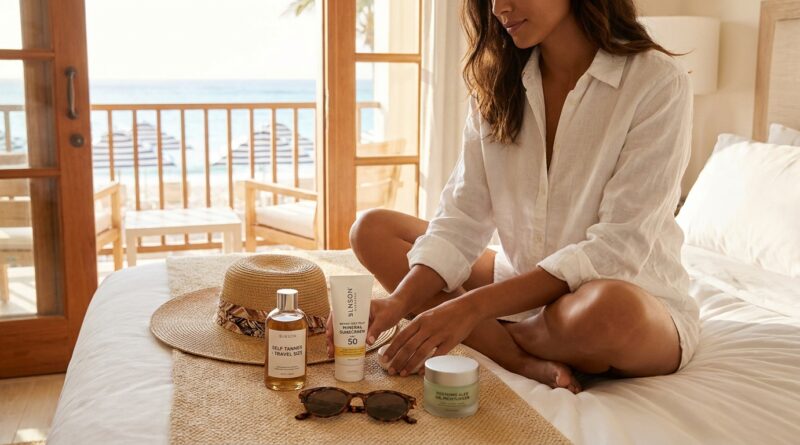
New ‘Travel-Tan SPF Gap’ Rule: Why Your Fake Tan Makes You More Vulnerable On Vacation In 2026
You are not imagining the confusion here. A lot of people put on a self tan before a trip and quietly assume that bronzed look must mean a little extra protection in the sun. It feels logical. You look tanner, so surely you are not as exposed. Sadly, that is the trap. New dermatology research and pediatric guidance in 2026 are warning about a growing “SPF gap,” where travelers use fake tan for the look, then get sloppy with real sun protection. Worse, if your self tanner uses DHA, your skin may be more sensitive to UV for about 24 hours after application. So the exact moment you are getting ready for the beach, pool, city break, or festival can also be the moment your skin needs more care, not less. The short version is simple. Self tanner and sunscreen on vacation are not the same job. One gives color. The other helps protect your skin.
⚡ In a Hurry? Key Takeaways
- Self tan does not protect you from the sun, and it does not replace sunscreen on vacation.
- If you use a DHA-based self tanner, apply it at least a day before heavy sun exposure and still use broad-spectrum SPF 30 or higher.
- The biggest risk is the “SPF gap,” when a bronzed look tricks you into staying out longer, reapplying less, and burning more easily.
Why the “SPF gap” is catching so many travelers out
The problem starts with a very human mistake. We trust what we see.
If your skin looks more golden, it is easy to think you have a bit of a buffer. You do not. A self tan stains the top layer of skin. It does not build melanin the way a real tan does, and even a real tan is not proper sun protection anyway.
That means the search for the perfect holiday glow can create a false sense of safety. People skip hats, miss spots with sunscreen, forget reapplication, or book that sunny lunch table with zero shade because they feel “already tanned.” That is the SPF gap.
What the 2026 guidance is actually warning about
Recent skin health guidance is getting more direct about this. Sunless tanners can be a safer cosmetic option than sunbathing or sunbeds, but they are still cosmetic. They do not improve skin health. They do not prevent burns. And some DHA-based formulas may leave skin more reactive to UV for roughly 24 hours after application.
That does not mean you need to panic and throw out every bottle. It means timing matters.
If you apply self tanner at night, then spend the next morning walking a beach promenade, sitting by a pool, or touring a bright city, you may be giving your skin extra stress right when UV is doing its thing.
Self tanner and sunscreen on vacation. What each one actually does
Self tanner
Gives your skin a darker look by reacting with dead skin cells on the surface. It is about color, not protection.
Sunscreen
Helps protect skin from UV damage when you use enough of it, choose broad-spectrum coverage, and reapply it properly.
The mistake people make
They treat self tanner like a first layer of defense. It is not. Think of it like lipstick versus lip balm with SPF. One is appearance. One is protection.
Why this gets worse on holiday
Vacation routines are messy. Flights dry your skin out. Hotel bathrooms have odd lighting. You rush to get ready. You sweat more. You swim more. You walk more than you do at home. All of that makes sunscreen harder to use well.
Add fake tan to the mix and many people become extra reluctant to reapply generously because they worry about streaks, patchiness, pilling, or marks on clothes.
That is another part of the SPF gap. You know what to do, but the glow makes you do less of it.
A safer routine if you want a holiday glow
1. Apply self tanner before travel, not on the first full sun day
Try to use your DHA self tanner at least 24 hours before strong outdoor exposure. If you are flying on Friday and hitting the beach on Saturday, tan on Thursday if you can.
2. Use broad-spectrum SPF 30 or higher every day
SPF 50 is often the easiest choice for vacation because people under-apply. Put it on all exposed skin, not just shoulders and nose.
3. Reapply more than you think
Reapply every two hours outdoors, and after swimming or heavy sweating. If your sunscreen says water resistant, treat that as helpful, not magical.
4. Cover up during peak sun
Use a hat, sunglasses, and light clothing. Shade is still your friend, even if your tan looks amazing in the mirror.
5. Do a patch test before the trip
The last thing you want is a surprise reaction the day before a wedding, cruise, or festival.
6. Keep your face on a separate plan
Many people use self tanner on the body but skip or minimize it on the face. That is fine. Your face gets more sun than you think, and it needs consistent sunscreen, hats, and often a more gentle formula.
The beauty marketing problem nobody says out loud
A lot of “vacation tan” marketing sells the look of a healthy glow without being very clear about the limits. Bronzed skin gets linked to relaxation, confidence, and looking great in photos. Fair enough. But your skin cells do not care about the holiday mood board.
This is also why some people drift from fake tan into riskier habits. If the self tan does not feel “enough,” they start chasing a faster or deeper result through sun exposure or tanning beds. If that sounds familiar, this piece on New ‘Sunbed Comeback’ Rule: Why TikTok-Inspired Tans Are Pushing You Back To Cancer Beds Instead Of Safer Sunless Glow is worth a read.
Common questions people ask on vacation
Will self tanner stop me burning?
No. Not even a little in any useful way.
Can I put sunscreen on top of self tan?
Yes. You should. Just let each product settle properly, and do not use so little sunscreen that you only “dust” the skin.
Will sunscreen ruin my fake tan?
Some formulas may affect wear a bit, especially with lots of swimming and rubbing, but that is still better than a burn. A faded tan is annoying. Sun damage lasts longer.
Should I tan the night before the beach?
It is safer to leave a bigger gap if possible, especially with DHA-based products, because of the concern about temporary UV sensitivity.
Best travel checklist for self tanner and sunscreen on vacation
Keep it simple.
- Self tan 24 hours before strong sun exposure if you can
- Pack broad-spectrum SPF 30 or 50
- Bring enough to reapply properly
- Use a face SPF you actually like wearing
- Pack a hat and sunglasses
- Plan some shade into your day
- Do not use your tan color to judge your risk
At a Glance: Comparison
| Feature/Aspect | Details | Verdict |
|---|---|---|
| Self tanner | Creates a bronzed look on the skin surface, often with DHA, but does not provide real UV protection | Good for color, not for safety |
| Sunscreen | Helps protect against UV damage when broad-spectrum, applied generously, and reapplied often | Essential on every vacation day |
| Using both together | Fine to combine, but self tan should never change your SPF habits or time in the sun | Best approach if you want glow plus smarter protection |
Conclusion
You do not need to give up the glow to be sensible. You just need to split the jobs clearly in your mind. Right now tanning culture is colliding with revenge travel, and that is where people get caught out. Recent dermatology and pediatric guidance warn that sunless tanners do not improve skin health or replace SPF, and that for roughly 24 hours after you apply a DHA-based product your skin can actually be more sensitive to UV. At the same time, big beauty sites keep selling “vacation tan” looks without spelling out the risks. The smarter move is simple. Enjoy the bronze if you like it, but build your trip around real protection. That means sunscreen, shade, hats, and better timing. Do that, and you can enjoy beaches, city breaks, and festivals without joining the 2026 spike in burns, pigment problems, and early aging that skin doctors are already seeing.