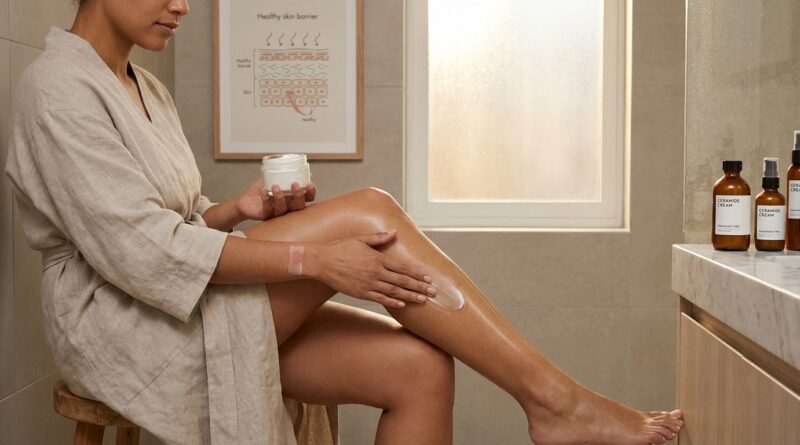
New ‘Barrier-First Tan’ Rule: How To Stop Self-Tanner From Wrecking Your Skin Barrier In 2026
If your self-tan routine suddenly makes your skin sting, itch, or feel weirdly tight, you are not imagining it. A lot of people are chasing a darker glow while also using exfoliating acids, retinoids, body scrubs, and fragranced lotions all in the same 24 hours. That is a rough deal for your skin barrier. The result can look like a “bad reaction to self tanner,” when the real problem is often that your skin was already irritated before the DHA even touched it. The new barrier-first approach is simple. Treat your skin like it needs prep, recovery, and a little less chaos. If you want better color, more even fade, and less panic over red patches, self tanner skin barrier protection has to come first. A deeper tan is nice. Skin that is calm, comfortable, and not screaming at you the next morning is better.
⚡ In a Hurry? Key Takeaways
- Stop treating self tan night like exfoliation night. Protecting your skin barrier usually prevents the burning and rashy feeling people blame on the tan itself.
- Use a simple routine. Pause strong acids, retinoids, and harsh scrubs before and after tanning, then moisturize dry areas with a plain barrier cream.
- If your skin burns, swells, or keeps reacting even with a gentle routine, stop using the product and ask a dermatologist about irritant dermatitis or allergy testing.
What the “barrier-first tan” rule really means
Think of your skin barrier as your body’s topcoat. It keeps water in and irritation out. When that layer gets beat up, almost anything can feel sharper than usual. Fragrance stings. Shower water feels hot. Self tanner suddenly feels like a chemical attack.
The 2026 shift is less about giving up glow and more about changing the order of operations. Instead of asking, “How dark can I get by tomorrow?” the better question is, “Is my skin calm enough to handle this tonight?”
That is the core of self tanner skin barrier protection. Tan second. Barrier first.
Why more people are reacting to self tanner now
Self tanner has not become automatically unsafe. But routines have become crowded. Many people now mix:
- Exfoliating acids like glycolic, lactic, or salicylic acid
- Retinoids or retinol body products
- Physical scrubs and exfoliating mitts
- Fragrance-heavy body care
- Hot showers, shaving, and tanning all in one session
Each step may seem harmless on its own. Stack them together and your skin barrier can get overwhelmed fast. Then DHA, the ingredient that reacts with dead skin to create color, lands on skin that is already irritated.
That is why some “mystery rashes” are not true allergies at all. They are often irritation from bad timing and too many active products at once.
The biggest mistake. Doing everything on tan night
This is the part TikTok often gets wrong. People want perfect prep, so they scrub hard, shave, use an acid pad, apply self tanner, and hope for flawless bronze. It sounds efficient. It is also exactly how many barriers get wrecked.
If your skin feels squeaky, raw, shiny, or extra warm after prep, that is not “ready.” That is overworked.
If you are also feeling pressure to go darker and darker, it helps to step back from the extremes. Our piece on New ‘Tanmaxxing Detox’ Rule: How To Ditch Extreme UV Trends And Still Keep Your Deep Glow In 2026 gets into why chasing max color at any cost can push people into routines their skin really does not like.
Your barrier-first self tan routine
1. The day before, keep prep gentle
If you need exfoliation, think light, not aggressive. A soft washcloth or a very gentle exfoliating step is usually enough. Skip the rough scrub that leaves your legs pink.
Good rule. If your skin is visibly irritated after exfoliating, wait to tan.
2. Pause strong actives
If you use retinoids, leave-on acids, peel pads, or strong acne treatments on the areas you plan to tan, consider pausing them for a short window before and after application. The exact timing varies by product and sensitivity, but the practical idea is simple. Do not pile known irritants on top of fresh self tanner.
If your skin is reactive, be even more conservative.
3. Watch shaving and hair removal timing
Freshly shaved skin can be more sting-prone. Waxing and depilatory creams can be even more irritating. Try not to do all of that right before tanning. Give your skin time to settle.
4. Moisturize the dry zones, not your whole body like a slip-and-slide
Use a plain, fragrance-light moisturizer on spots that grab color too hard. Ankles, knees, elbows, hands, and feet are the usual suspects. This helps the tan go on more evenly without turning those areas orange or patchy.
For self tanner skin barrier protection, this step matters because dry, compromised skin grabs product unevenly and gets irritated more easily.
5. Patch test like you mean it
Patch testing sounds boring until it saves you from a full-body regret. Try a small area first, especially if:
- You switched brands
- The formula contains fragrance or botanical extracts
- You have eczema, sensitive skin, or a history of rashes
- You are using a darker or “express” formula
Wait and see how your skin behaves, not just how the color looks.
6. After tanning, baby your skin a little
Do not follow fresh self tanner with a strong acid lotion because you want a “smoother fade.” Start with hydration. A simple moisturizer helps support the barrier and can make the tan wear off more evenly anyway.
Also skip the very hot shower if your skin already feels dry or prickly.
How to tell irritation from allergy
This part gets confusing fast, so here is the simple version.
Irritation is more likely if:
- The skin burns or stings right away
- The reaction happens where you shaved, scrubbed, or used actives
- Your skin feels tight, dry, and hot
- It improves when you simplify your routine
Allergy is more concerning if:
- You get repeated reactions to the same product
- You develop itchy rashy patches beyond the driest areas
- Swelling, hives, or significant redness shows up
- The reaction seems delayed and keeps happening with re-use
Bottom line. If a product keeps setting you off, do not force it. “Maybe my skin just needs to get used to it” is not a great plan here.
Ingredients and formula types that can be trickier
DHA itself is not the only thing in a self tanner. The full formula matters. Some people react more to:
- Added fragrance
- Essential oils
- Preservatives
- Color guides and bronzers
- Fast-develop or extra-dark formulas used too often
If your skin is fussy, the boring-looking formula is often your friend. Fewer extras. Less scent. Less drama.
When to skip self tanner completely
Sometimes the smartest tanning move is not tanning tonight.
Hold off if you have:
- An active eczema flare
- Broken, sunburned, or freshly peeled skin
- A rash you cannot identify
- Recent overuse of acids or retinoids that left you sore or flaky
That pause is not losing progress. It is preventing a bigger mess.
A simple 48-hour barrier-first plan
24 hours before
Use a gentle cleanser. Lightly exfoliate only if needed. Avoid harsh scrubs and strong active body products.
Tan day
Make sure skin is calm and dry. Moisturize knees, elbows, ankles, hands, and feet. Apply self tanner carefully. Do not stack it with retinoids or acid lotions.
24 hours after
Focus on hydration. Use a plain moisturizer. Avoid aggressive exfoliation and anything that makes the skin sting.
If you already overdid it
If your skin feels irritated after self tanning, stop adding more products. Wash off residual product if the reaction is active and uncomfortable, use a bland moisturizer, and avoid scratching or scrubbing. If symptoms are strong, widespread, or not settling, check with a medical professional. Especially if you notice swelling, blistering, or trouble breathing. That is not a “wait it out” moment.
At a Glance: Comparison
| Feature/Aspect | Details | Verdict |
|---|---|---|
| Prep style | Gentle exfoliation and calm skin vs harsh scrubs, shaving, and acids all at once | Gentle prep wins for more even color and fewer reactions |
| Product layering | Simple moisturizer and self tanner vs mixing retinoids, acid lotions, and fragrance-heavy products | Less layering is safer for the skin barrier |
| Reaction risk | Barrier-supported skin is less likely to sting, tighten, or develop dermatitis-like irritation | Barrier-first is the smarter long-term routine |
Conclusion
The glow is supposed to be the fun part, not the part where your skin starts protesting. In the last year dermatologists and regulators have paid more attention to irritation and sensitization risks from topical products, and plenty of people are seeing that play out with more stinging, tightness, and dermatitis after self tanning. The good news is that self tanner skin barrier protection is not complicated. Slow down, stop stacking every active on tan night, patch test, and give your skin some recovery time. That clear, practical game plan helps you stay safely sunless, avoid unnecessary allergy scares, and sort through the noisy advice coming from TikTok and brand marketing. Better glow. Less chaos. That is the rule worth keeping.