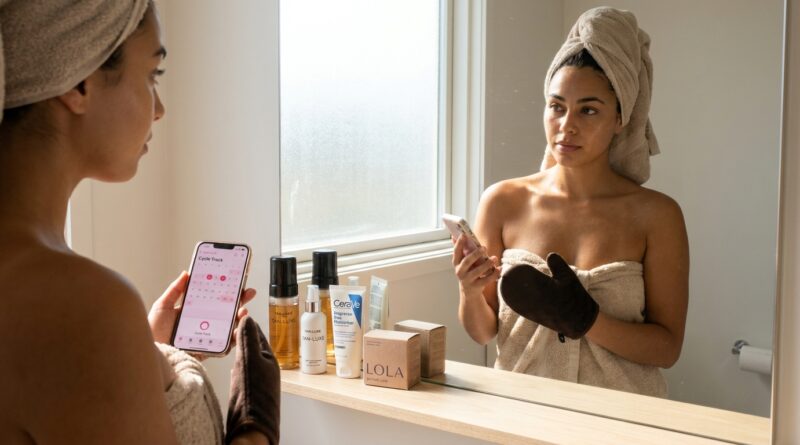
New ‘Period-Safe Glow’ Rule: What Gynecologists Want You To Know Before Self-Tanning On Your Cycle
Your self-tan is not betraying you for no reason. If your glow turns patchy, your legs look blotchy, or your usual mousse suddenly stings when your period starts, that is a real skin thing, not you doing the routine wrong. During your cycle, shifts in estrogen and progesterone can change how much oil your skin makes, how strong your moisture barrier feels, and how reactive certain areas become. Add bloating, friction from pads, shaving, hot showers, and the general irritation that can show up around your inner thighs, and it makes sense that self tanner safety on period days needs a slightly different game plan. The good news is you usually do not need to give up your tan. You just need to time it better, prep more gently, and keep tanner away from skin that is already stressed or extra sensitive.
⚡ In a Hurry? Key Takeaways
- Yes, your period can affect how self-tan develops and how well your skin tolerates it, especially if your barrier is irritated or inflamed.
- Use a gentler prep routine, avoid tanning freshly shaved or chafed areas, and keep product away from the vulva and irritated inner thighs.
- If your tanner suddenly burns, itches, or leaves a rash during your cycle, stop using it and patch test again later in the month.
Why your self-tan can act different on your period
Self-tanner works by reacting with the top layer of dead skin cells. The main ingredient, DHA, and sometimes erythrulose, grab onto that outer layer and darken it. Sounds simple. But your skin is not the same every day of the month.
During your cycle, hormone changes can affect hydration, oil production, skin sensitivity, and even how much friction certain areas deal with. If your barrier is a little weaker, self-tan can sting more. If your skin is drier, it can grab unevenly. If your thighs are rubbing more because of bloating or pads, the color can wear off in weird patches.
That is why self tanner safety on period days is less about the tan formula alone and more about what shape your skin is in when you apply it.
What gynecologists and skin experts want you to avoid
Do not put self-tanner on vulvar skin
This is the big one. External self-tanner is for body skin, not mucosal tissue and not the vulva. Fragrance, preservatives, and active tanning agents can irritate delicate skin fast, especially during your period when the area may already be more sensitive.
Inner thigh is not automatically off-limits, but use common sense. If the skin is chafed, sweaty, itchy, or irritated from a pad, skip it that week.
Do not tan over freshly shaved, waxed, or inflamed skin
If you shave right before applying tanner, tiny nicks and irritated follicles can turn a normal product into a stingy mess. During your period, some people are more sensitive to pain and skin irritation anyway. Give shaved skin time to calm down before applying anything with DHA or fragrance.
Do not ignore burning just because the product “usually works”
If your go-to foam suddenly burns, that matters. A product that is fine one week can feel awful another week if your skin barrier is compromised. Stop, rinse, and do not force it through because you want the color payoff.
How hormone shifts can change the final color
You might notice that your tan develops darker on your knees and elbows one month, then fades too fast the next. That can happen when your skin is drier or more unevenly textured.
Some people also hold more water during their period. That can make legs feel puffy and skin surfaces less predictable, especially around ankles, knees, and inner thighs. Add friction from period products or tighter clothes, and patchiness is much more likely.
If you have also been rethinking ingredients lately, it is worth reading New ‘Silicone-Free Glow’ Rule: How 2026’s Clean Beauty Shift Is Quietly Changing Your Self-Tan Routine, because formula texture and slip can affect how tanner sits on stressed skin.
The safest way to self-tan during your cycle
1. Pick your timing if you can
If day one or two of your period is when your skin gets angry, do not force a full-body tan then. Waiting until your flow lightens or your skin calms down can make a big difference.
If you need color for an event, consider a lighter gradual tanner instead of a strong express mousse. A softer formula is often easier to control and easier to stop if your skin starts reacting.
2. Prep gently, not aggressively
Skip harsh scrubs. They can create micro-irritation, especially when your skin is already touchy. Use a soft washcloth or mild exfoliating mitt with very light pressure 24 hours before tanning, not right before.
Then moisturize dry spots lightly. Think ankles, knees, heels, and elbows. Not thick enough to block the tan, just enough to stop over-grabbing.
3. Be careful with shaving
Shave at least a day before if your skin tends to react. If your follicles get red or bumpy during your cycle, wait longer. Tanner over inflamed follicles often means dots, itch, and uneven color.
4. Keep product away from sensitive zones
Avoid the vulva completely. Be very cautious around the bikini line and upper inner thighs if there is any pad friction, razor burn, or sweating. You do not need perfect color in every crease of your body. You need calm skin.
5. Wear loose clothing while it develops
Tight underwear, shapewear, and snug leggings can rub developing color off. They can also trap sweat and fragrance close to already sensitive skin. Loose cotton is your friend here.
Signs you should skip tanning this cycle
Press pause if you have:
- Chafing on the inner thighs
- A rash, itching, or burning in the groin area
- Freshly shaved skin that still stings
- Active eczema, dermatitis, or broken skin
- A history of fragrance sensitivity and your product is heavily scented
Skipping one application is better than trying to cover irritated skin and ending up with a reaction that lasts longer than your period.
What to do if your tan always goes patchy during your period
Switch from full-body tanning to spot strategy
You may not need to tan everything. Arms, shoulders, and lower legs often tolerate product better than inner thighs and bikini-adjacent skin during your cycle. A more selective routine can look just as polished.
Use a gradual formula for maintenance
If your usual dark mousse gets streaky, use a gradual lotion for that week instead. It is slower, but more forgiving. You can build color without one high-stakes application.
Watch friction points
Knees, upper thighs, and anywhere pads or underwear rub will fade first. A tiny touch-up there often works better than redoing your whole tan.
Patch testing matters more than people think
If you have never patch tested your tanner, start now. Put a small amount on the outer thigh or arm on a low-sensitivity day in your cycle and watch for redness, itching, or delayed irritation.
If a product only bothers you during your period, that still counts. It means your skin may tolerate it sometimes, but not when your barrier is under more stress. That is useful information, not overreacting.
At a Glance: Comparison
| Feature/Aspect | Details | Verdict |
|---|---|---|
| Application timing | Early-period days can mean more sensitivity, dryness, bloating, and friction. | If possible, tan when skin feels calmer and less irritated. |
| Sensitive-area safety | Vulvar skin and irritated inner thighs are more vulnerable to burning and dermatitis. | Keep self-tanner away from delicate or chafed areas. |
| Best formula choice | Strong, fragranced mousses may sting more on reactive skin than gradual or simpler formulas. | Use the gentlest formula your skin consistently tolerates. |
Conclusion
If your tan behaves differently on your period, you are not being picky and you are not doing it wrong. Self tanner safety on period days is worth paying attention to because more dermatologists and women’s health experts are talking openly about how estrogen and progesterone shifts affect barrier strength, sensitivity, and pigment. That changes how DHA and erythrulose grab onto the skin. A practical, cycle-aware routine can help you avoid irritant reactions on already inflamed skin, cut down on streaky legs during bloating and pad or tampon use, and protect vulnerable areas from infection risk or fragrance-related dermatitis when the vulvar and inner-thigh skin is more susceptible. Big beauty sites often skip that part. They should not. The smart move is simple: tan the skin that is calm, skip the skin that is irritated, and let comfort win over one more layer of color.