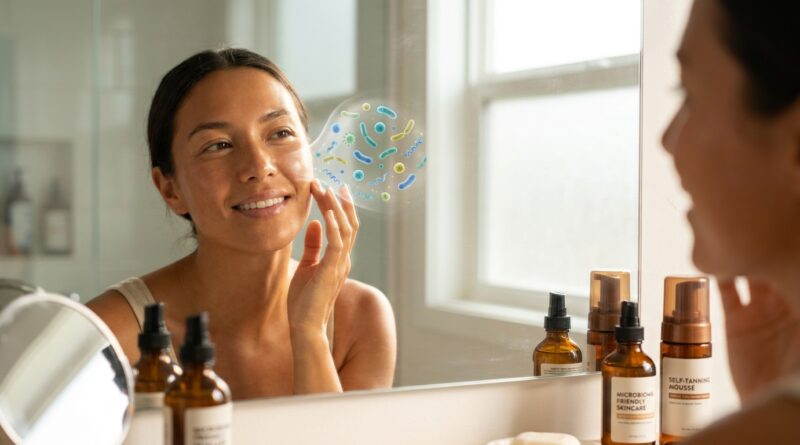
New ‘Microbiome-Safe Tan’ Rule: How To Keep Your Fake Glow Without Wrecking Your Skin’s Good Bacteria
If your skin gets tight, itchy, blotchy, or mysteriously breakout-prone after self-tan night, you are not imagining it. A lot of people are hearing about “microbiome-friendly” skincare now, but almost nobody is talking about what self tanner can do to the tiny community of good bacteria living on your skin. That matters, because those microbes help keep your barrier calm, balanced, and less reactive. When you stack exfoliating acids, hot showers, fragranced mousse, and a weekly top-up tan, your skin can end up stressed before the color even develops. The good news is you probably do not need to give up your glow. You just need a smarter routine. Think gentler prep, fewer irritating extras, and better timing with actives. A microbiome safe self tanner routine is less about buying one magical product and more about stopping the habits that quietly push sensitive skin over the edge.
⚡ In a Hurry? Key Takeaways
- A microbiome safe self tanner routine means protecting your skin barrier before, during, and after tanning, not just picking a “clean” formula.
- Skip harsh exfoliation, strong acids, and heavy fragrance around tanning day to lower the risk of irritation and bacterial imbalance.
- If your skin is sensitive or reactive, patch test first and space self tanner away from retinoids, peels, and over-cleansing.
Why your fake tan can mess with your skin microbiome
Your skin microbiome is just the mix of bacteria and other microbes that live on the surface of your skin. That sounds a little gross until you realize they are part of your defense system. They help manage inflammation, support your barrier, and make it harder for troublemaking germs to take over.
Self tanner is not automatically bad for that ecosystem. The issue is the full routine around it. Many tanning products are acidic, contain preservatives, fragrance, or drying solvents, and get applied after shaving, scrubbing, or using exfoliating acids. That is a lot for skin to handle in one go.
Then comes the cycle a lot of people know too well. You exfoliate hard so the tan goes on evenly. Skin feels stripped. You apply the tan anyway. A few days later, you notice itchiness, rough patches, clogged pores, or random redness and assume your skin is just “being difficult.” Often it is your barrier asking for a break.
What “microbiome-safe” really means for self tanner
This is where marketing can get fuzzy. “Microbiome-safe” does not have one strict universal label. In practical terms, it means a product and routine are less likely to disturb your skin barrier and the healthy microbes sitting on it.
Signs a self tanner may be more microbiome-friendly
Look for formulas that are simpler and less irritating. Helpful clues include:
- Low or no added fragrance
- Fewer essential oils
- Added humectants like glycerin
- Barrier-supporting ingredients such as ceramides, squalane, or panthenol
- No aggressive scrub particles in the formula itself
You do not need perfection. You are trying to stack the odds in your favor.
What can make things worse
- Applying self tanner right after glycolic, lactic, or salicylic acid
- Using retinoids the same night
- Exfoliating until your skin feels squeaky or stings
- Strong fragrance, especially on already reactive skin
- Spraying or layering multiple tanning products at once
The new “Microbiome-Safe Tan” rule
If your skin is sensitive, acne-prone, rosacea-prone, or eczema-prone, start treating self tan like a treatment, not a harmless body lotion. Give your skin a calm runway before you apply it.
Here is the easiest rule to remember. If your skin is already irritated, freshly exfoliated, sunburned, over-shaved, or stinging from active skincare, that is not tanning day.
48 hours before tanning
Keep things boring. That is a compliment here.
- Pause strong exfoliating acids if your skin tends to react
- Go easy on retinoids
- Use a gentle cleanser and plain moisturizer
- Avoid trying new body products
On tanning day
- Take a lukewarm shower, not a hot one
- If you need to exfoliate, do it gently with a soft cloth, not a harsh scrub
- Pat skin dry and wait until it is fully calm
- Moisturize dry spots lightly, like elbows, knees, and ankles
- Apply one tanning product, not a whole cocktail
The day after
- Use a simple, fragrance-light moisturizer
- Skip acids if your skin feels warm, tight, or itchy
- Do not “correct” uneven spots with repeated layers on irritated skin
How to choose a microbiome safe self tanner
You do not need a chemistry degree for this. Start with your skin’s track record. If fragrance usually bothers you, it will not magically stop being a problem because the bottle promises a tropical vacation smell.
Best bets for sensitive skin
Mousses and drops can both work, but the winner is usually the one with the shortest ingredient list and the fewest obvious irritants. If you are deciding between a heavily fragranced express tan and a basic gradual tanner with extra moisturizers, the gentler option often wins for microbiome health.
Also, do not ignore patch testing. If you have reactive skin, read New ‘Patch-Test Glow’ Rule: How To Safely Test Self Tanner On Sensitive Skin Before You Commit Head‑To‑Toe. It is one of the easiest ways to avoid turning a small issue into a full-body one.
Ingredients worth a second look
These are not automatic dealbreakers, but they deserve attention if your skin is fussy:
- Strong parfum or fragrance blends
- Lots of essential oils
- Alcohol-heavy formulas that leave skin feeling stripped
- Added color guides that seem to clog pores on your chest or back
Big routine mistakes that quietly stress your skin
1. Over-exfoliating for a “perfect canvas”
Yes, dead skin removal helps a tan look smoother. But too much scrubbing can damage the barrier that helps both your skin and your microbiome stay stable. If your skin feels shiny, sore, or extra sensitive after prep, you went too far.
2. Mixing tanning with active skincare
Acids and retinoids are useful. They are just not always good roommates for tanning night. Together, they can increase dryness, irritation, and uneven fading.
3. Using scented body wash right after tanning
This one sneaks up on people. A self tanner might be fairly gentle, but the body wash, shaving foam, and perfume lotion you use after can still keep your skin in a stressed state.
4. Chasing patchiness by layering more product
If your skin starts reacting, more tanner is rarely the fix. Calm the skin first. Then reassess.
A better weekly glow routine for barrier health
If you want the simple version, here it is:
- One gentle exfoliation session, not a full scrub marathon
- One self tanner formula at a time
- Barrier-friendly moisturizer on off days
- Fewer fragranced extras
- Actives used on a different schedule from tanning
That routine may sound less exciting, but skin usually likes predictable more than dramatic.
When to stop and reset
If your skin starts stinging, developing red patches, flaring acne, or feeling hot and tight after tanning, hit pause. Give it several days of gentle cleanser, bland moisturizer, and no strong actives. If symptoms are intense or keep coming back, talk to a dermatologist.
Sometimes the issue is not the DHA itself. It is the whole stack of prep, product, and post-care.
At a Glance: Comparison
| Feature/Aspect | Details | Verdict |
|---|---|---|
| Prep routine | Gentle exfoliation and simple moisturizing support the barrier better than harsh scrubs and acids. | Less aggressive prep is usually better for microbiome health. |
| Product formula | Fragrance-light, hydrating formulas with fewer irritants are often easier on sensitive skin. | Choose simple formulas over heavily scented “experience” products. |
| Aftercare | Lukewarm showers, gentle cleansers, and barrier creams help skin recover and keep tan fade more even. | Aftercare matters almost as much as the tan itself. |
Conclusion
You do not have to choose between a fake glow and calm skin. That is the real takeaway here. Microbiome-safe skincare is getting a lot of attention right now, and it should, but self tanning has mostly slipped out of the conversation even though many formulas still rely on low pH systems, preservatives, and fragrance that can shift skin balance when your barrier is already stressed. The smart move is not panic. It is better timing, gentler prep, and fewer irritating layers. That is how you protect your tan and your skin at the same time. For I Love Tanning readers, this is a chance to get ahead of the trend and use fresh microbiome science in a way that actually helps day to day. A better glow is nice. A glow that does not leave your skin angry is better.