New ‘Pregnancy-Safe Fake Tan’ Rule: What OB‑GYNs Quietly Wish Every Mom‑To‑Be Knew In 2026
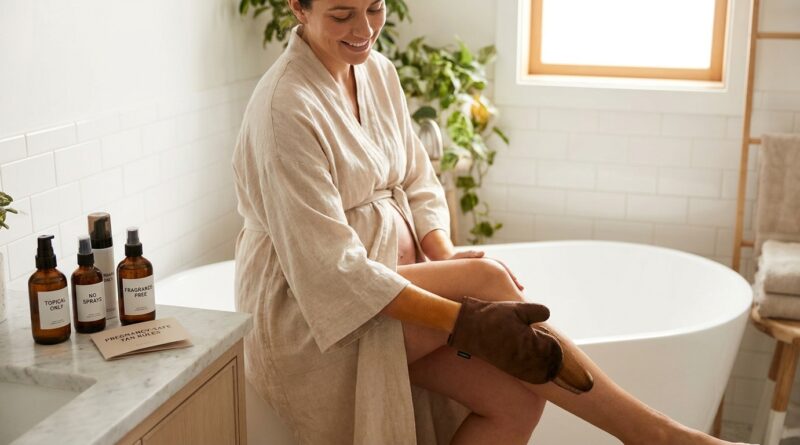
You should not need a chemistry degree to figure out whether your self tanner is okay in pregnancy. And yet that is exactly how this feels right now. One post says DHA is toxic. Another says spray tans are fine. A third tells you to avoid everything and “just ask your doctor,” which is not very helpful when you are standing in your bathroom holding tanning mousse. Here’s the calm, practical answer for 2026. Most OB‑GYN guidance still treats topical self tanner, meaning lotions, mousses, creams and drops used on the skin, as low risk during pregnancy because dihydroxyacetone, or DHA, mainly reacts with the outer dead layer of skin. The bigger concern is breathing it in, swallowing it, or using newer ingestible “tan” products. So yes, most pregnant women can usually use self tanner on intact skin. But no, not every format gets the same green light, especially sprays and booths.
⚡ In a Hurry? Key Takeaways
- Yes. For most people, self tanner applied to the skin is generally considered low risk during pregnancy. Spray tanning and ingestible tanning products are the bigger concern.
- Pick a lotion, mousse, cream or drops you apply by hand, use it in a well-ventilated room, and avoid broken or irritated skin.
- If you are booking a spray tan, protect your nose, mouth and eyes, because inhalation matters more than the color ingredient sitting on the top layer of skin.
So, is self tanner safe during pregnancy 2026?
Short answer. Usually yes, if we are talking about standard topical self tanner used on healthy skin.
The ingredient people worry about most is DHA, which stands for dihydroxyacetone. It is the classic sugar-based tanning ingredient used in many sunless tanners. It works by reacting with amino acids in the dead cells on the surface of your skin. That is why the color develops on the outside rather than by changing anything deeper in your body.
That basic science is why many doctors are more comfortable with creams, mousses and lotions than with spray clouds or anything you drink. The quiet update in a lot of medical advice is not “panic about all DHA.” It is “be smarter about how it gets into your body.”
What OB-GYNs usually care about most
If you ask an OB‑GYN who has looked at the evidence, the concern is usually less about the tan itself and more about exposure route.
Lowest concern: topical products you rub onto skin
These include:
- Self-tanning lotion
- Tanning mousse
- Tanning cream
- Facial tanning drops mixed into moisturizer
- Wipes or serums
Why these are usually treated as lower risk:
- DHA mostly stays in the outer layer of skin
- Systemic absorption appears limited
- You are less likely to breathe it in
- You can control where it goes
Higher concern: spray tans and booths
Spray tans are not automatically forbidden, but they are where more caution comes in. The issue is inhalation. A fine mist can end up in your nose, mouth, throat or lungs. That is why many experts suggest avoiding spray booths during pregnancy if possible, or at least using strong protective steps if you choose one anyway.
If you want the details on that side of the risk, this guide on New ‘Spray-Tan Mask’ Rule: How To Protect Your Lungs When You Bronze In A Cloud Of DHA In 2026 breaks down the inhalation issue in plain English.
Big no for pregnancy: ingestible tanning products
This is the part social media often blurs together. “Skin drink” tanning products, tanning pills and internal glow supplements should not be treated the same as a bottle of mousse. If a tanning product is meant to be swallowed, skip it unless your own doctor specifically says otherwise. Pregnancy is not the time to experiment with newer products that have less safety history and different ingredients.
Why the advice sounds so vague online
Because there is not a giant, perfect, pregnant-women-only trial for every tanning format. Doctors often work from what we know about how the product behaves, where it goes in the body, and what kind of exposure is realistic.
That leads to a practical answer, not a dramatic one:
- Topical self tanner on intact skin appears low risk for most pregnant users.
- Spray tanning adds inhalation risk, so caution goes up.
- Ingestible tanning products are a different category and are easiest to avoid.
That is less catchy than TikTok panic. It is also more useful.
How to choose the safest format if you are pregnant
Best bet: lotion, mousse or cream applied by hand
If your goal is the lowest-fuss option, this is it. Choose a product you smooth on yourself in a room with decent airflow. Wash your hands after. Let it dry fully before getting dressed.
Extra points if you:
- Patch test first, because pregnancy skin can get more reactive
- Avoid applying right after shaving if your skin gets irritated
- Skip any area with cuts, rash, eczema flare or broken skin
- Choose lightly scented or fragrance-free if morning sickness is making smells unbearable
Use extra care with face mists or aerosol sprays
Even if a product is sold for home use, the word “self tanner” does not tell you the whole story. Aerosol and mist formats can still create particles you breathe in. If you are using facial tanners, drops mixed into moisturizer are usually simpler than a spray mist.
Think twice about salon booths
If you love salon results and still want one while pregnant, ask very direct questions:
- Is this a booth or hand-applied spray?
- Can I wear a nose filter or mask before and during application?
- Will my eyes and lips be covered?
- Is the room ventilated well?
If the setup feels like standing inside a fog machine, that is your clue that the main issue is not the color on your arms. It is what could end up in your lungs.
Ingredients besides DHA that are worth a quick look
DHA gets all the attention, but it is not the only thing in the bottle. During pregnancy, it is reasonable to be a little pickier about the extras.
Watch for strong fragrance
This is more of a comfort issue than a major safety headline, but nausea and headaches can make heavily scented formulas miserable.
Be careful with added actives
Some tanning products now sneak in “skincare” ingredients. Check whether the formula includes things your doctor already told you to avoid or limit, such as high-strength retinoids. Most self tanners do not, but combo products are getting more common.
Ignore miracle claims
If the label says detox, drinkable bronze, hormone balancing, inside-out glow, or anything else that sounds like it belongs in a late-night ad, put it down. Pregnancy is a good time to choose boring over trendy.
Common questions pregnant readers ask
What about first trimester?
This is when many people are most cautious, which makes sense. If you want the most conservative path, wait and use no self tanner until you feel comfortable. But if you are asking whether a basic topical self tanner is considered a major known danger in the first trimester, current expert opinion generally does not treat it that way. The bigger concern remains avoiding inhalation and questionable product types.
Can self tanner soak into my bloodstream?
Not much, based on how DHA works and the limited absorption data we have. It mainly reacts with the dead surface layer of skin. That is why creams and mousses are treated differently from sprays you might inhale.
Can I use tanning drops on my face?
Usually this is one of the more practical options, especially if you mix a few drops into moisturizer instead of using a mist. Just avoid your lips, nostrils and eyes, and do not use it on irritated skin.
What if my skin is more sensitive now?
Very normal. Pregnancy can make skin drier, itchier or more reactive. Patch test first. If you get burning, redness, hives or a rash, wash it off and stop using it.
Can I get a spray tan if I really want one for an event?
This is where personal risk tolerance comes in. Some pregnant women decide yes, but with precautions. Others decide it is not worth the worry. If you do go, reduce inhalation as much as possible and keep the exposure brief and controlled.
A simple mom-first rule for 2026
If the tanning product sits on the outside of your skin, risk is usually lower. If it creates a cloud you can breathe, or it is meant to be swallowed, risk and uncertainty go up fast.
That is the real “pregnancy-safe fake tan” rule people have been looking for.
What to do tonight if you already own a tanner
- Read the label and figure out the format first. Lotion and mousse are not the same as aerosol spray.
- Check the ingredient list for anything unusual, especially active skincare ingredients.
- Patch test on a small area.
- Apply only to healthy, unbroken skin.
- Use it in a ventilated room.
- Skip sprays and “skin drinks” if you want the most cautious route.
At a Glance: Comparison
| Feature/Aspect | Details | Verdict |
|---|---|---|
| Topical self tanner | Lotions, mousses, creams and drops mainly color the outer dead layer of skin. Limited absorption is the reason many experts consider them low risk. | Usually okay during pregnancy on intact skin |
| Spray tan or booth | Main concern is inhaling DHA mist or getting it into the mouth, nose or eyes. | Use caution, reduce inhalation, or skip if you want the safer option |
| Ingestible tanning products | “Skin drinks,” pills and internal glow products are a different exposure route and have less reassuring pregnancy guidance. | Best avoided during pregnancy |
Conclusion
If you have been doom-scrolling trying to answer “is self tanner safe during pregnancy 2026,” the clear takeaway is this. Standard self tanner you rub onto healthy skin is generally considered low risk. Sprays and booths need more caution because inhalation changes the picture. And ingestible tanning products are the easiest no. That simple framework cuts through a lot of online panic. Over the last year, TikTok and forums have made this topic feel way scarier and messier than it needs to be, while medical guidance has quietly shifted toward a more practical route-based view of risk. Put all that together, and you can make a calm, informed call without over-restricting yourself or accidentally taking on the real risks tied to spray clouds, booths and “skin drink” products.