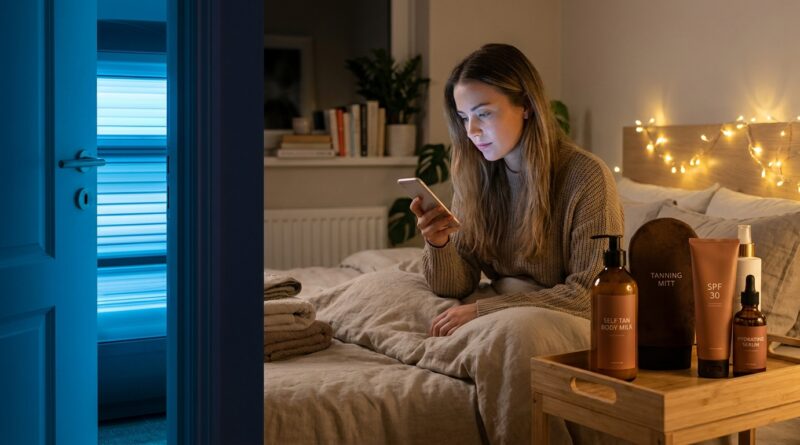
New ‘Sunbed Comeback’ Rule: Why TikTok-Inspired Tans Are Pushing You Back To Cancer Beds Instead Of Safer Sunless Glow
You are not silly for feeling the pull here. A fast tan can look easy, glamorous, and weirdly normal once your feed is full of “just one session” videos. That is exactly why this trend is frustrating. It makes a health risk look like a harmless beauty shortcut. If you are asking, “are sunbeds safe compared to sunless tanning,” the short answer is no. Not even close. Sunbeds use ultraviolet radiation, which damages skin cells and DNA. That damage adds up, even if the tan looks “light” or “controlled.” Sunless tanning products, on the other hand, stain the outer layer of skin without exposing you to UV. They are not perfect, but they do not carry the same cancer risk. With new reporting showing a fresh rise in sunbed interest, now is a good moment to get past the TikTok gloss and make this simple. Bronze skin is optional. DNA damage should be too.
⚡ In a Hurry? Key Takeaways
- Sunbeds are not safe compared to sunless tanning. They expose you to cancer-linked UV radiation, while self-tanner does not.
- If social media makes tanning beds seem “cleaner” or “more natural,” switch the goal from “get tan fast” to “look glowy by Friday,” then use gradual tan, mousse, or spray tan.
- Claims about “base tans,” “vitamin D,” or “tan boosters” do not cancel out UV damage. The safest glow is the one that does not injure your skin.
The direct answer to “are sunbeds safe compared to sunless tanning”
No. Sunbeds are not a safer version of tanning. They are a concentrated UV exposure.
That matters because a tan is not your skin becoming healthier. A tan is your skin responding to injury. It is trying to protect itself after DNA damage has already started.
Sunless tanning products work differently. They color the top layer of skin without using UV light. That means they can still come with annoyances like streaks, smell, patchiness, or dry elbows. But those are beauty problems, not skin-cancer problems.
Why tanning beds are making a comeback on social media
Part of it is aesthetics. “Bronzed” still gets sold as healthy, sculpted, and expensive-looking. Part of it is speed. A bed promises an instant result. And part of it is the way short videos flatten risk. You see the glow. You do not see the long-term bill.
That is how dangerous habits come back dressed as self-care. A clip may talk about “confidence,” “vacation prep,” or “that pre-event color,” while skipping the most important fact. Indoor tanning is exposure to UV radiation that can raise your lifetime melanoma risk.
This is also why the “just use self tanner instead” advice often falls flat. It is technically right, but not very helpful when the real problem is pressure, habit, and the desire for a result that looks good fast.
What sunbeds actually do to your skin
They damage DNA
This is the big one. UV radiation can harm the genetic material inside skin cells. Your body repairs some of that damage, but not all of it. Over time, mistakes build up. That is where cancer risk comes in.
They speed up skin aging
Fine lines, uneven texture, pigmentation, and leathery skin are not just “getting older.” Repeated UV exposure can age skin faster than time alone.
They do not create a “safe base tan”
This idea refuses to die. A base tan is not armor. It is still evidence of UV injury. It does not make future sun exposure harmless.
They can trigger regret long before any diagnosis
Some people notice dryness, blotchiness, broken capillaries, or stubborn dark spots way before they think about skin cancer. Social videos rarely show that part.
The most common claims, decoded
“It’s controlled UV, so it’s safer”
Controlled does not mean harmless. It just means the machine is predictable. The radiation is still radiation.
“I only go for a few minutes”
Shorter exposure is less exposure. It is not no exposure. Risk is not magically erased because the session was brief.
“I need it for vitamin D”
You do not need a tanning bed for vitamin D. Food, supplements, and ordinary daily life can cover that without targeted UV damage.
“Tan boosters protect the skin”
Be careful here. Tan-boosting lotions, oils, gummies, or pills can make a risky habit feel smarter than it is. They do not turn UV exposure into a skin-safe activity.
“It looks more natural than fake tan”
Sometimes it does. That is the strongest argument sunbeds have, and it is about appearance, not safety. The better question is this: can you get a flattering finish another way? Usually yes.
If you see X, do Y instead
Here is the practical part. This is how you make the safest choice the easiest one.
If you want instant color for an event
Do this instead: Book a spray tan 24 to 48 hours before, or use a tinted mousse the night before. Exfoliate first. Moisturize dry spots like knees, ankles, elbows, and hands lightly.
If you hate the fake-tan smell
Do this instead: Try a gradual tanning lotion or express formula, and shower at the earliest recommended time. Scent technology has improved a lot, but lighter formulas also tend to bother people less.
If you are scared of streaks
Do this instead: Use a tanning mitt, work in sections, and choose a tinted product so you can see where it is going. If you are very pale or new to this, start with gradual tan before jumping to a dark mousse.
If your friends are doing “just one bed before the trip”
Do this instead: Say, “I’m doing spray or self-tan this time.” Keep it boring. No debate. Most social pressure loses steam when you sound decided.
If someone says a base tan prevents burning
Do this instead: Use broad-spectrum sunscreen, UPF clothing, shade, and reapplication. A tan is not prevention. It is proof your skin has already been hit.
If your budget is tight
Do this instead: Buy one decent gradual tanner and one mitt. You do not need a whole shelf of products. A basic routine often beats a salon package.
A simple sunless routine that works in real life
If beauty advice has made this feel complicated, take a breath. It can be very simple.
Option 1: Lowest effort
Use a gradual tanning lotion two or three nights in a row. Wash hands well after. This is the easiest route for beginners and the least dramatic if you make a mistake.
Option 2: Best for a weekend or event
Exfoliate. Skip heavy oils. Apply mousse with a mitt. Blend lightly over hands and feet with leftover product on the mitt. Wear loose clothing while it develops.
Option 3: Best for people who want zero hassle
Get a professional spray tan for bigger events, holidays, or photos. It costs more up front but can save you from panic-applying bronzer at midnight.
How to resist the “everyone’s doing it” effect
This part matters more than product choice. Most people do not change habits because of one scary statistic. They change habits when the safer option feels doable and still lets them look how they want to look.
Try these small shifts:
- Mute or unfollow tanning-bed content that makes risky behavior look cute.
- Save reference photos of the kind of glow you actually want, then match the product to that level.
- Keep one reliable self-tan product at home so you are not tempted by a last-minute salon bed.
- Pair bronzing drops or body makeup with self-tan when you want “instant” payoff.
- Remember that confidence on camera often comes from lighting, editing, and filters, not just color.
What about people who say, “My grandmother used them and was fine”?
That is how risk works. Not every smoker gets lung cancer. Not every reckless driver crashes. A personal anecdote is not the same thing as safety.
The reason health experts keep warning about indoor tanning is not because every single session causes a visible disaster. It is because repeated UV exposure raises the odds of serious harm over time. That is exactly the kind of risk social media is bad at showing.
At a Glance: Comparison
| Feature/Aspect | Details | Verdict |
|---|---|---|
| Cancer risk | Sunbeds expose skin to UV radiation linked to skin cancer. Sunless tanning colors skin without UV exposure. | Sunless tanning is far safer. |
| Skin appearance over time | Sunbeds can speed up wrinkles, texture changes, and pigmentation. Self-tan may streak, but it does not age skin the same way. | Sunless wins for long-term skin quality. |
| Convenience and result | Sunbeds give quick color but with real health cost. Self-tan takes a bit of practice, but products now range from gradual lotions to pro spray tans. | Sunbeds are not worth the trade-off. |
Conclusion
If your feed is making tanning beds look trendy again, it helps to name what is actually happening. A risky old habit is being repackaged as beauty maintenance. And yes, that can be hard to push back on when you want to look polished, glowy, and good in photos. But the answer to “are sunbeds safe compared to sunless tanning” is still clear. No. New reporting in the last 24 hours has put the spotlight back on the fact that sunbeds sit in the highest cancer-risk category alongside tobacco and asbestos. That is not drama. That is the health reality underneath the aesthetic. So build a routine that makes the safe choice easy. Keep one sunless option you trust. Ignore the “base tan” myths. Treat “wellness” marketing around beds and tan boosters with real suspicion. The best glow is the one that fits your budget, your body, your schedule, and your future skin too.