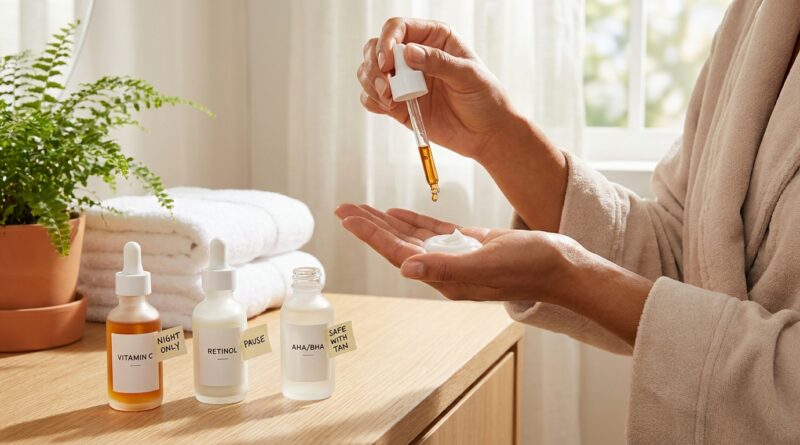
New ‘Tanning Drop Safe Routine’ Rule: How To Keep Your Custom Glow From Wrecking Your Skin Barrier
Your tan is not disappearing because you “did it wrong.” A lot of people are mixing tanning drops into solid skincare routines, then watching that glow turn patchy, cling to dry spots, or vanish after one night of acids, retinol, or over-eager exfoliating. That is frustrating, especially when tanning drops are sold as the easy, customizable way to fake a little color without frying your skin. The catch is simple. Tanning drops sit on top of a healthy routine, but they do not always play nicely with every active you already use. If you want to know how to use tanning drops with skincare routine safely, the new rule is to protect your skin barrier first and treat your tan like a temporary finish, not a permanent layer. Once you do that, you can keep your glow longer, avoid irritation, and stop wasting both your skincare and your self-tanner.
⚡ In a Hurry? Key Takeaways
- Tanning drops work best on calm, hydrated skin, and they should usually be kept away from strong acids, retinoids, and rough scrubs on the same night.
- Use a simple moisturizer with your drops, apply on dry skin, and pause heavy exfoliation for at least 24 hours before and after if you want the color to last.
- If your skin is sensitive, patch-test first and protect the barrier on the face and neck so you do not trade glow for irritation.
The new safe routine rule in plain English
Tanning drops are getting a lot of attention because they are flexible. You mix a few drops into your moisturizer, use less for a light tint or more for deeper color, and skip the full-body self-tanner drama.
But the skin on your face, neck, and chest is also where people use the most active skincare. Vitamin C in the morning. Retinol at night. Exfoliating toner a few times a week. Maybe slugging on dry nights. That is where trouble starts.
The practical rule is this. Keep your tanning-drop nights boring. No harsh exfoliation. No retinoid overload. No rough scrubbing because you want “a smooth base.” Smooth and stripped are not the same thing.
Why your glow keeps going patchy or fading too fast
Tanning drops usually use DHA, the same ingredient found in many self-tanners. DHA reacts with the very top layer of your skin to create color. That top layer is temporary by design, so anything that speeds up skin turnover can also speed up tan fade.
Common glow wreckers
These are the usual suspects:
- Exfoliating acids like glycolic, lactic, mandelic, and salicylic acid
- Retinoids, including retinol, retinal, tretinoin, and adapalene
- Physical scrubs, cleansing brushes, and rough washcloths
- Dryness and barrier damage, which make color grab onto flaky areas
- Applying tanning drops over serums or oils that make the mix uneven
That is why one person gets a believable glow for nearly a week, while another gets tiger stripes around the nose and chin by day two.
How to use tanning drops with skincare routine safely
The safest approach is not complicated. You just need to separate your strongest skincare from your tanning schedule.
On the day you apply tanning drops
Keep your routine simple. Cleanse gently. Let skin dry fully. Mix the drops into a plain moisturizer that does not contain strong acids, retinoids, benzoyl peroxide, or a lot of fragrance.
Then apply evenly. Do not rub extra product into dry patches like the corners of the nose, eyebrows, hairline, or around the mouth. Those spots always tell on you.
What to skip that night
- Retinol or prescription retinoids
- Exfoliating toners or peel pads
- Strong acne treatments
- Face scrubs
- Shaving, dermaplaning, or aggressive cleansing tools right before application
What is usually fine
- Gentle cleanser
- Simple hydrating serum, if it dries down fully and does not pill
- Basic moisturizer
- Barrier-friendly ingredients like glycerin, ceramides, and hyaluronic acid
Where vitamin C, retinol, exfoliating toner, and slugging fit in
Vitamin C
Most people can keep vitamin C in their morning routine and use tanning drops at night. That spacing helps. If your vitamin C is strong and your skin is easily irritated, back off for a day if needed. The point is not perfection. The point is avoiding a red, uneven face under a fake tan.
Retinol
Retinol is one of the biggest reasons face tans fade fast. You do not always need to stop it completely, but you may need to reduce frequency. A good middle ground is to skip retinol the night you tan and often the following night too, especially if your skin is dry or sensitive.
If you are using prescription tretinoin or adapalene, expect faster fading no matter what. That does not mean tanning drops are off-limits. It means you may need lighter, more frequent applications instead of trying to build one deep tan.
Exfoliating toners
These are great for texture. They are not great for keeping a self-tan around. If lasting color is the goal, avoid exfoliating toner for at least 24 hours before and after applying tanning drops to the face. For some people, 48 hours works even better.
Slugging
Slugging can help if your barrier is dry and cranky, but timing matters. If you put a heavy occlusive like petrolatum on before tanning drops, it can block even application. If you slug immediately after, it can shift product around.
Better plan. Tan on one night. Slug on a different night, once the color has had time to develop. Think alternating nights, not layering everything at once.
The best routine for face tanning drops
If you want a safe, boring, effective template, use this:
Morning
- Gentle cleanse or rinse
- Vitamin C if your skin tolerates it
- Moisturizer
- Sunscreen
Tanning night
- Gentle cleanser
- Wait until skin is fully dry
- Mix tanning drops into plain moisturizer
- Apply evenly to face, neck, and blend into jawline
- Wash hands well
The next day
- Use gentle products only
- Skip scrubs and acids
- Hydrate well
- Use sunscreen
If your skin tends to react to self-tanner, it is smart to read New ‘Patch-Test Glow’ Rule: How To Safely Test Self Tanner On Sensitive Skin Before You Commit Head‑To‑Toe before you go all in.
The best routine for body tanning drops
Body skin is often easier, but the same rules apply. Do your exfoliation well before tanning day, not right before bed with your drops. Then keep skin moisturized so the color fades evenly instead of cracking off around knees, elbows, and ankles.
Body routine basics
- Exfoliate gently 24 hours before, not minutes before
- Apply a little plain lotion to extra-dry spots first
- Mix drops with body lotion and spread section by section
- Avoid tight clothes until dry
- Do not use rough scrubs for the next day or two
How often should you use tanning drops?
Less often than you think. Most people do better maintaining color than chasing depth. Start with the brand’s lower suggested amount, see how your skin responds, and add another application a few days later if needed.
Using too many drops at once is usually what creates that orange, uneven look people blame on the product.
Signs your barrier needs a break
If your skin stings when you apply moisturizer, looks extra shiny but feels tight, flakes around the nose or mouth, or suddenly reacts to products that never used to bother it, take a pause.
Do not try to “fix” a bad tanning week by exfoliating harder and reapplying more color. That is how people end up with irritation plus a worse tan. Go back to cleanser, moisturizer, and sunscreen until things calm down.
Small tricks that make a big difference
- Apply on fully dry skin so the color develops more evenly
- Use a dedicated tan night instead of squeezing drops into a complicated routine
- Blend into ears, neck, and hairline lightly
- Do not forget your hands after washing them. If your face is tan and your hands are not, it shows
- Keep the rest of your routine hydrating, not aggressive
At a Glance: Comparison
| Feature/Aspect | Details | Verdict |
|---|---|---|
| Tanning drops with actives | Using drops on the same night as retinol, exfoliating acids, or strong acne products can increase irritation and speed up fading. | Best avoided on the same night |
| Tanning drops with simple moisturizer | A plain, fragrance-light moisturizer helps distribute DHA more evenly and is gentler on the barrier. | Best choice for most people |
| Barrier-first maintenance | Hydration, gentle cleansing, and spacing out exfoliation help the color last longer and fade more naturally. | Worth it if you want an even glow |
Conclusion
Tanning drops really are a smart option when you want more control than a standard self-tanner gives you. You can mix them into your usual moisturizer, adjust the depth, and keep that late-summer warmth going into fall. You just have to respect the trade-off. The same acids, retinoids, and rough exfoliation that help with texture and breakouts can also chew through your color and irritate the face, neck, and chest if you pile everything on at once. A simple, barrier-friendly routine is the sweet spot. Keep tanning nights calm, separate them from your strongest actives, patch-test if your skin is sensitive, and focus on hydration so the glow fades evenly instead of going blotchy. That way, you get the believable color people want from tanning drops without the rashy flare-ups, wasted product, and two-day disappointment.