New ‘Patch-Test Safe Tan’ Rule: How To Stop Mystery Rashes From Your Self-Tanner Before They Start
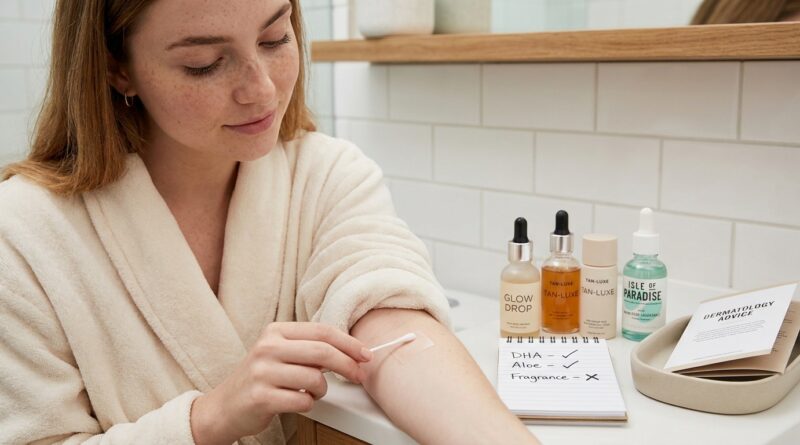
You are not being dramatic if your trusted self-tanner suddenly leaves you itchy, blotchy, or covered in tiny angry bumps. That is a real thing, and it is frustrating. A product that worked for years can start causing trouble when formulas change, your skin barrier gets weaker, or you start layering tanner with acids, retinol, fragrance, and body care products that do not play nicely together. The good news is that a mystery rash does not always mean you have to give up your glow forever. It usually means you need a smarter system. A proper self tanner patch test for sensitive skin can help you spot trouble before you coat your whole body in it. Think of it like a dress rehearsal for your skin. A small test now can save you from hives before a wedding, vacation, or random Tuesday. The goal is simple. Less guessing, less panic, and a much better chance of tanning without paying for it later.
⚡ In a Hurry? Key Takeaways
- A self tanner patch test for sensitive skin should be done 24 to 72 hours before full use, on a small area like the inner arm or behind the knee.
- Track the exact product, how long it stayed on, and what else touched your skin so you can tell whether DHA, fragrance, preservatives, or layering caused the reaction.
- If you get burning, swelling, hives, or a spreading rash, stop using it and talk to a dermatologist or allergist instead of trying to “push through.”
Why people are reacting to self-tanner all of a sudden
There are a few reasons this keeps happening.
First, self-tanners are not just “tan in a bottle” anymore. Many now include fragrance, botanical extracts, exfoliating acids, anti-aging ingredients, shimmer, bronzers, and preservatives that make the formula more complicated. Any one of those can irritate sensitive skin.
Second, people are using self-tanner more like skincare. They exfoliate, shave, use body serums, apply tanning drops, top with lotion, and then wonder why their skin flips out. Sometimes the tanner is not the only problem. It is the stack.
Third, your skin changes. A product that was fine two summers ago can sting now if your barrier is already irritated, if you have eczema, if you recently used retinoids, or if you shaved right before tanning.
That is why patch testing matters. It helps separate “my skin is reacting to this formula” from “my skin is reacting to everything I did around this formula.”
What a self tanner patch test for sensitive skin actually means
A patch test is not a tiny swipe you glance at 10 minutes later. It is a small, controlled trial.
You apply the self-tanner to one discreet area. Then you wait and watch. You are checking for redness, itching, burning, swelling, hives, rough patches, or an eczema flare. You are also checking whether the tan itself develops evenly or turns weirdly dark on irritated skin.
If you use tanning drops, this gets even more important because the base product you mix them into can affect your result and your skin. If that is your routine, read New ‘Tanning Drop Safe Routine’ Rule: How To Keep Your Custom Glow From Wrecking Your Skin Barrier. It does a good job of explaining how mixing products can stress the skin barrier.
How to do a proper patch test at home
Step 1: Pick the right test spot
Use an area that is easy to monitor but easy to hide. Good options are:
- Inner forearm
- Behind the knee
- Along the jawline for face products
- Side of the neck, if that is where you normally tan
Avoid broken skin, freshly shaved skin, active eczema patches, or anywhere already irritated.
Step 2: Start with clean, boring skin
Wash the area with a gentle cleanser. Pat dry. Do not put on perfume, acids, retinol, heavy lotion, or body oil first. You want the test area as plain as possible so the result is easy to read.
Step 3: Apply a small amount exactly as directed
If it is a mousse, use a thin layer. If it is a spray, spray onto a cotton pad or glove and dab a small square. If it is drops, mix them exactly the way you would use them on your body or face.
This part matters. Testing the product differently from how you really use it gives you fuzzy information.
Step 4: Let it sit for the full wear time
If the label says rinse in 4 hours, do that. If it is an overnight formula, wear it overnight. An early rinse can hide a delayed reaction.
Step 5: Watch for 24 to 72 hours
Some reactions are fast. You may feel burning or itching within minutes. Others show up the next day as a rough, red, scaly patch. Check the spot at:
- 30 minutes
- 8 hours
- 24 hours
- 48 hours
- 72 hours if you are very reactive
What counts as a bad sign
Not every little feeling means disaster, but some things are clear red flags.
Stop using the product if you notice:
- Burning that does not settle quickly
- Itching that builds instead of fades
- Welts, hives, or swelling
- Blistering or oozing
- A hot, bright red patch
- An eczema flare that spreads past the test site
If the reaction is severe, especially if you have facial swelling or trouble breathing, get urgent medical help right away.
The ingredient short list most likely to cause trouble
People often blame DHA first because it is the tanning active, and sometimes it is the problem. But it is not the only suspect.
DHA
Dihydroxyacetone is the ingredient that darkens the skin. Some people tolerate it just fine. Others find it irritating, especially in high concentrations or on damaged skin.
Fragrance
This is a big one. “Fragrance” can mean a mix of many compounds, and fragrant self-tanners are often harder on reactive skin.
Preservatives
Preservatives help stop contamination, which is good, but certain ones can trigger contact dermatitis in sensitive users.
Botanical extracts and essential oils
Tea tree, citrus oils, lavender, and other plant-based extras sound gentle. They are not always gentle.
Bronzers and color guides
The instant color in mousse and sprays can include extra dyes or pigments that sensitive skin may not love.
The easy ingredient-tracking system that saves a lot of guesswork
If you react once, start a tiny skin log. Nothing fancy. Just use your notes app.
Write down:
- Product name and brand
- Lot number if you can find it
- Date you used it
- Where you applied it
- How long it stayed on
- Other products used before and after
- Whether you had shaved, exfoliated, or used retinol
- What the reaction looked and felt like
- How long it took to appear
Why this helps: if you react to three products and all three contain heavy fragrance or the same preservative family, that is useful. If you react only when you shave and tan on the same day, that is useful too.
How to lower your odds of reacting next time
Do not tan on compromised skin
If your skin is dry, raw, over-exfoliated, sunburned, or in the middle of an eczema flare, skip it for now.
Do not stack actives right before tanning
Avoid acids, retinoids, benzoyl peroxide, and harsh scrubs on the area for at least a day or two if you know your skin is touchy.
Wait after shaving
Freshly shaved skin is more reactive. Giving it 12 to 24 hours can make a real difference.
Choose simpler formulas
For sensitive skin, fewer extras are usually better. Look for fragrance-free options when possible.
Patch test every new bottle if you are very reactive
Yes, even if it is your usual brand. Formulas can change. So can your skin.
When it is probably time to see a dermatologist or allergist
Home patch testing is a smart filter. It is not a replacement for medical care.
Book a professional visit if:
- You keep reacting to multiple self-tanners
- Your rash lasts more than a few days
- You need steroid cream more than once to calm it down
- You also react to fragrance, sunscreen, or cosmetics
- You cannot tell what ingredient keeps setting you off
A dermatologist or allergist may suggest formal patch testing to identify specific allergens. That can save you money, time, and a lot of random trial and error.
At a Glance: Comparison
| Feature/Aspect | Details | Verdict |
|---|---|---|
| Quick swipe test | Small dab, checked too soon, often done without tracking wear time or other products | Better than nothing, but not reliable for sensitive skin |
| Proper patch test | Applied as directed, monitored for 24 to 72 hours, done on calm skin | Best at-home way to catch irritation before full-body use |
| Ingredient tracking plus medical help | Logs repeat reactions and helps a dermatologist or allergist pinpoint likely triggers | Best choice if rashes keep happening or reactions are strong |
Conclusion
Mystery rashes from self-tanner feel random when they hit, but they are often more manageable than they seem. Dermatology and allergy clinics are seeing more contact dermatitis as formulas get busier and tanning routines start to look like full skincare routines. That is why a simple self tanner patch test for sensitive skin matters so much right now. It gives you a calm, repeatable way to test products, spot patterns, and stop gambling with hives, burning, flare-ups, or another tube of steroid cream. You do not have to quit tanning out of fear. You just need a better process. Patch test first. Track ingredients. Respect your skin barrier. Then you can keep the glow you love with a lot less drama and a much better shot at staying rash-free before your next trip, event, or spray session.