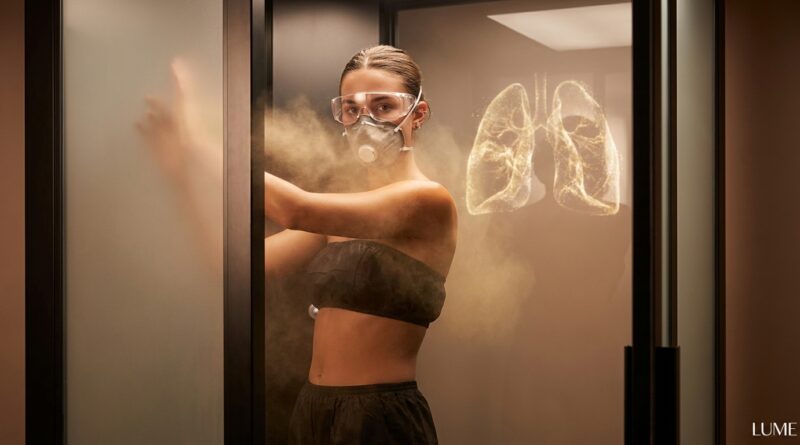
New ‘Spray Tan Lung’ Rule: What The Latest DHA Science Means For Your Next Booth Session
You are not being dramatic for wondering what ends up in your lungs during a spray tan. That fine mist may look harmless, and yes, self-tanner is still generally seen as safer than baking your skin under UV light. But safer than sunbeds is not the same thing as risk-free to breathe. That is where the latest DHA science matters. A recent systematic review pulled together what researchers know so far and landed in a pretty practical place. Putting DHA on skin appears to be generally well tolerated for most people. Inhaling it is the part we still do not have clean, reassuring answers on. New lab research on airway cells adds to that concern, especially for frequent users and salon workers. So if you have been asking, are spray tan booths safe for your lungs, the honest answer is: probably not something to treat casually, especially if you are breathing in the fog every week.
⚡ In a Hurry? Key Takeaways
- Spray tan booths may be fine for skin use, but inhaling DHA mist is still a real question mark for lung safety.
- Use nose filters or a properly fitted mask, close your lips, hold your breath when directed, and ask the salon about ventilation before you step in.
- Heavy users, people with asthma, and salon workers should be extra careful because repeated exposure matters more than one occasional session.
So, are spray tan booths safe for your lungs?
Here is the plain-English version. We do not have strong proof that occasional spray tanning causes lung disease in the average person. But we also do not have enough evidence to say inhaling DHA mist is clearly safe.
That gap is the problem.
DHA, short for dihydroxyacetone, is the ingredient that reacts with the top layer of your skin to create that tanned look. On skin, that reaction is well known and widely used. In the lungs, things are much less settled. Airway tissue is not the same as the outer dead layer of skin. When mist gets into your nose, throat, or lungs, it is entering a very different environment.
The latest review found that topical DHA use is generally well tolerated, but inhalation exposure still raises unanswered questions about irritation, cell stress, and possible longer-term effects. That does not mean panic. It does mean you should stop thinking of booth mist as nothing.
What the new DHA research is actually saying
A lot of beauty safety talk gets boiled down into fake certainty online. This is safer. That is toxic. Real science is usually less dramatic and more useful.
What looks fairly reassuring
When DHA is applied to skin as intended, researchers generally consider it low-risk for most people. That is why self-tanning lotions and mousses have stayed so common. The main side effects tend to be things like irritation, allergy, dryness, or patchy results, not major health crises.
What still looks uncertain
Inhalation is different. The new review flagged that we still need better data on what repeated breathing exposure does, especially in real-world settings like enclosed spray booths and salon workspaces.
Some lab studies looking at airway and lung-related cells suggest DHA may trigger oxidative stress or other changes when cells are directly exposed. Lab studies are not the same as proving disease in living humans. Still, they are a warning light on the dashboard. You do not ignore that just because your car is still moving.
Who should pay the most attention
If you get one spray tan before a wedding, your risk picture is different from someone getting misted every week. It is also different for salon staff who spend all day around overspray.
The groups that should be most cautious are:
- Frequent spray tan users
- Salon employees
- People with asthma or chronic lung issues
- Anyone who gets coughing, throat irritation, or chest tightness after sessions
- Pregnant people who prefer to limit unnecessary inhalation exposures
Why salons often make this sound simpler than it is
Spray tans are marketed as the healthy beauty choice because they avoid UV damage. That part is true. They do avoid the skin cancer and premature aging risks tied to tanning beds and sunbathing.
But that sales pitch can blur an important detail. Skin-safe does not automatically mean lung-safe.
Many salons focus on the cosmetic result, the color guide, and how long your tan lasts. Fewer spend time explaining inhalation protection, nose plugs, lip balm barriers, or room ventilation. If you want a deeper look at that gap, this piece lays it out clearly: New ‘Spray-Tan Lung’ Safety Rule: The Hidden Inhalation Risk No Booth Is Warning You About Yet.
What happens in a booth that matters for breathing exposure
Not every spray tan setup creates the same level of inhalation risk.
Booth sessions
Automatic booths can create a cloud effect, especially in small enclosed spaces. Even with extraction fans, some mist can hang in the air long enough to be inhaled. If you breathe normally during the spray cycle, some of that airborne product can enter your airways.
Airbrush sessions
Handheld airbrush tanning can also create airborne particles, but the amount may depend on the technician, spray angle, room airflow, and how much overspray is produced.
Poor ventilation
This is the quiet issue. A salon can look spotless and still have weak airflow. If the room feels stuffy, smells strongly of solution, or has visible haze hanging around after a session, that is not great.
Your booth safety checklist
If you are going to spray tan, make it a lower-risk event. Here is the simple checklist I would want a friend to use.
Before you book
- Ask if the salon provides nose filters, eye protection, and lip balm or petroleum jelly.
- Ask how the room is ventilated and how often filters are changed.
- Ask whether staff are trained on inhalation protection, not just color matching.
- If you have asthma or another lung condition, ask your doctor first.
Before the spray starts
- Use the nose plugs or filters if offered.
- Protect your lips with balm to reduce accidental contact and licking of residue.
- Wear eye protection.
- If allowed, use a properly fitted mask between passes or in setup moments. Some salons may have process rules, so ask first.
During the session
- Close your mouth fully.
- Hold your breath during each spray pass when directed.
- Turn exactly as instructed so you are not breathing into the densest part of the cloud.
- If you start coughing or feel chest irritation, stop the session.
After the session
- Step out promptly instead of lingering in the booth fog.
- Rinse your eyes if they feel irritated.
- Pay attention to symptoms over the next 24 hours, especially cough, wheeze, sore throat, or shortness of breath.
What about salon workers?
This is where the conversation gets more serious. A client might get exposed once in a while. A worker may stand in that mist all week.
Repeated exposure changes the math.
Workers should have much stronger protections than the average customer, including good ventilation, local exhaust systems, consistent respiratory protection when needed, and clear training. If a salon shrugs this off, that is not a good sign. The science is not settled enough to be casual about repeated breathing exposure.
When you should skip the booth entirely
It is smart to pass on a spray tan session if:
- You have uncontrolled asthma or recent breathing flare-ups
- You are already sick with a cold, cough, or sinus infection
- The salon cannot explain its ventilation setup
- No protective gear is offered
- The room looks visibly hazy or smells heavily of leftover spray
- You have had coughing or chest tightness after past sessions
If you still want color, lotion, mousse, or tanning drops used carefully at home may reduce inhalation exposure compared with stepping into a fog-filled booth.
At a Glance: Comparison
| Feature/Aspect | Details | Verdict |
|---|---|---|
| DHA on skin | Generally well tolerated when used topically as intended, with irritation being the more common issue. | Reasonably reassuring for most users |
| DHA inhalation in booths | Research is still limited, and newer reviews plus airway cell studies raise real questions about breathing exposure. | Use caution, especially with repeat exposure |
| Risk reduction steps | Nose filters, closed mouth, breath-holding during spray, good ventilation, and avoiding frequent fog exposure all help. | Worth doing every single time |
Conclusion
If you have been asking are spray tan booths safe for your lungs, the most honest answer is: safer than UV tanning for your skin, but not proven harmless for your lungs. That is the key distinction people deserve to hear. In the last few months, a major systematic review pulled together everything we know about DHA safety and flagged that while topical use is generally well tolerated, inhaling DHA in spray booths still raises real questions for lungs and long term health. Most tanning salons are not explaining any of this, and social media still treats full-body mist sessions like a zero-risk beauty step. They are not. The good news is you do not need to panic or give up every glow option. You just need to be smarter about exposure. Use the checklist, ask better questions, and be extra careful if you tan often or work around the spray all day. That small shift can do a lot to protect your breathing health.