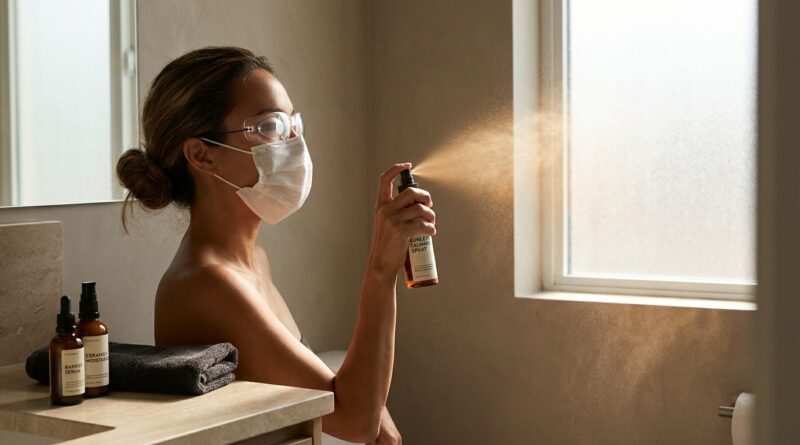
New ‘Spray-Mist-Safe’ Rule: How To Protect Your Lungs And Skin Barrier From Modern Sunless Tan Mists
If you have ever walked out of a spray tan booth with a gorgeous glow, but also a scratchy throat, watery eyes, or skin that suddenly feels tight and cranky, you are not overreacting. That “fine mist” feeling is exactly why people are asking harder questions about spray tan mist safety. The issue is not that every sunless mist is automatically dangerous. It is that ultra-fine DHA clouds can be easy to inhale, and a lot of people are spraying over skin that is already irritated from acids, retinoids, shaving, or over-exfoliating. That is a bad combo. The smarter rule is simple. Keep the color, reduce the fog, and protect your skin barrier like it matters, because it does. You do not need to swear off spray tans. You just need better habits, better timing, and a little less blind trust in “salon safe” or “TikTok approved” shortcuts.
⚡ In a Hurry? Key Takeaways
- Spray tan mist safety starts with reducing inhalation. Hold your breath during passes to the face, use nose filters or a mask when possible, and avoid poorly ventilated setups.
- For a smoother, longer-lasting tan, stop strong exfoliants, retinoids, and harsh actives at least a couple of days before and after your session if your skin is sensitive.
- The goal is not panic or perfection. It is a safer middle path that protects your lungs, eyes, lips, and skin barrier while still letting you enjoy sunless color.
The new rule people actually need
The old advice was mostly about prep for better color. Exfoliate. Shave. Moisturize your elbows. Do not sweat. Fine. Helpful. But it skipped two big things.
First, what happens when that mist goes into your nose, mouth, or lungs. Second, what happens when DHA lands on skin that is already raw, sensitized, or stripped.
The new “spray-mist-safe” rule is this. Treat spray tan mist like something you want on your outer skin, not in your airways, eyes, or on a damaged barrier.
That sounds obvious. Weirdly, it is not how a lot of people are doing it.
Why people are talking about DHA mist now
DHA, short for dihydroxyacetone, is the active ingredient in most sunless tanners. It reacts with amino acids in the top layer of skin to create that bronzed look. Used on the skin surface, it is familiar and common. The question marks start when it becomes a floating cloud.
Modern spray systems and at-home continuous misters create a much finer fog than older lotions or mousses. That gives a more even finish. It also makes overspray easier to inhale.
This does not mean one booth visit equals disaster. It means exposure route matters. Skin contact is the point. Inhalation is not.
What “spray tan mist safety” really means in real life
For most readers, this comes down to three practical goals.
1. Keep the mist out of your lungs
If the spray is around your face, inhale less of it. That means holding your breath during facial passes, using nose plugs or filters if offered, keeping lips closed, and asking for eye protection if the setup allows it.
2. Stop spraying onto a stressed-out skin barrier
If your skin is burning after toner, flaking around the mouth, or shiny-tight after exfoliating, it is not a great day for a mist tan. DHA plus fragrance plus preservatives plus bronzers on irritated skin often leads to patchy fading and more redness.
3. Choose the least chaotic method that still works for you
A controlled professional airbrush in a ventilated space may be a better choice than repeatedly fogging your bathroom with a viral at-home device. Not always. But often.
The easiest ways to reduce inhalation risk
You do not need a laboratory setup. You do need a few commonsense upgrades.
During a professional spray tan
Ask whether the space is ventilated well. If the answer is vague, that tells you something.
Use nose filters or plugs if they are available. Many salons have them, even if they do not actively offer them unless you ask.
Close your lips during facial spraying. A lip balm layer can also help reduce dryness.
Hold your breath for each face pass, then turn away and breathe after the pass is done.
Ask the technician to use the lightest effective facial application. Your face usually fades faster anyway, so it does not need to be drenched.
During at-home misting
Do not spray in a tiny closed bathroom with still air. Open a window. Run ventilation. Better yet, use a larger room with airflow that does not blow the mist straight back at you.
Point the nozzle carefully and avoid “just one more pass” habits that create a hanging cloud in the air.
If you are using a continuous mister, stop between sections and let overspray settle.
If you are sensitive, wear a simple mask during body spraying and remove it only for controlled facial application, or skip facial mist and use a tanning serum or drops for the face instead.
Your skin barrier matters more than most prep guides admit
This is where a lot of bad spray tan experiences begin.
People exfoliate aggressively because they want an even tan. Then they shave. Then they use glycolic, salicylic, or retinol because that is their “normal routine.” Then they spray tan over all of it. The result is often stinging, tightness, weird dark pores, and color that cracks or fades in spots.
If your barrier is weak, the tan usually looks worse, not better.
Signs your barrier is not in good shape
Watch for:
- Skin that stings when you apply basic moisturizer
- Redness that lingers
- Flaking around the nose, mouth, or chin
- A shiny but dehydrated look
- Itchiness after cleansing
If that sounds familiar, postpone the mist tan for a few days and repair first.
How to time actives around a spray tan
You do not need a 14-step shutdown. You do need a little spacing.
48 hours before
Ease up on strong exfoliating acids, scrubs, retinoids, and anything that makes you peel or sting. If you are very sensitive, give yourself more time.
24 hours before
Finish shaving or waxing before the tan, not right before the spray if your skin gets reactive. Use a bland moisturizer if you need it, but avoid heavy oils right before the session unless your technician says otherwise.
Day of the tan
Skip fragranced body products, strong actives, and anything occlusive that could interfere with the tan grabbing evenly. Make sure skin is clean and calm.
24 to 48 hours after
Do not rush back into acids and retinoids. Let the tan develop and let your skin stay settled. If your skin feels dry, use a simple moisturizer, not a “glow” product full of exfoliants.
Best formula choices for sensitive people
Not all spray tans feel the same on skin.
Look for simpler formulas
If you are sensitive, go for fragrance-free or lower-fragrance options when possible. Fewer extras usually means fewer surprises.
Be careful with added bronzers
Cosmetic bronzers give instant color, but they can also be drying or irritating for some people. They are not bad by default. Just know that a dramatic immediate result is not always the gentlest one.
Use a separate face product if needed
Your face is often the most reactive area and the area most likely to inhale overspray. A face tanning mist, serum, or drops applied by hand can be the better move.
Booth, airbrush, or at-home mist. Which is safest?
There is no perfect option. There is only better control.
Booth tans
Fast and convenient. But booths can create a lot of airborne mist in one go. Safety depends heavily on ventilation and whether you protect your nose, mouth, and eyes.
Professional airbrush tans
Often the best for customization and targeted spraying. A careful technician can reduce face overspray and avoid overapplying dry areas. This is usually the better option for sensitive skin if the room is ventilated well.
At-home continuous mists
Good for convenience, not always great for air quality. Many people overuse them because the mist feels light. Light does not mean you are not breathing some of it in.
What to do if you always cough after a spray tan
Take that as useful feedback, not something to ignore.
If you cough after most sessions, switch something. Change salons. Ask for protective filters. Skip booth tanning and try a hand-applied mousse. Use a face product separately. Improve ventilation at home. If symptoms are strong or keep happening, talk to a medical professional, especially if you have asthma, allergies, or reactive airways.
The “I guess that is normal” approach is not the one to keep.
Patchy fading is often a barrier problem, not just a tan problem
When color goes blotchy in three days, people blame the formula. Sometimes that is fair. But often the real cause is uneven prep, inflamed skin, or actives restarted too soon.
Think of your skin barrier like fresh paint primer. If it is rough, peeling, or damaged, the finish on top will never look clean for long.
Gentle prep and gentle aftercare usually beat aggressive scrubbing every time.
Do not forget actual sun protection
A fake tan can make your skin look sun-kissed, but it does not protect you from UV damage. If anything, a nice tan can trick people into being less careful. If you need the refresher, read New ‘SPF-Over-Sunless’ Rule: Why Your Fake Tan Needs Real Sun Protection Every Single Day. It is one of the most important habits to pair with any sunless routine.
A smart spray tan checklist
- Choose a ventilated salon or a well-aired home setup
- Reduce face overspray whenever possible
- Use nose filters, hold your breath during facial passes, and keep lips closed
- Avoid spray sessions when your skin barrier is irritated
- Pause harsh acids, retinoids, and aggressive exfoliation around your tan
- Use bland, barrier-friendly moisturizer after the tan develops
- Consider hand-applied face tanner instead of misting your whole face
- Wear real SPF daily, because fake tan is not sun protection
At a Glance: Comparison
| Feature/Aspect | Details | Verdict |
|---|---|---|
| Inhalation exposure | Ultra-fine mists are easier to breathe in, especially in booths or small unventilated rooms | Reduce overspray and protect nose, mouth, and eyes |
| Skin barrier impact | Spraying over over-exfoliated, freshly shaved, or irritated skin can cause stinging and patchy fading | Calm skin first, then tan |
| Best method choice | Professional airbrush offers more control, while at-home mists can create more casual overspray | Pick the setup that gives you the most control and least fog |
Conclusion
You do not need to choose between ignoring the issue and quitting spray tans forever. That is the false choice floating around right now. The better path is simple and much more useful. Respect spray tan mist safety. Keep DHA where it belongs, on the skin, not in your lungs. Protect your barrier before you chase color. Space out your actives. Choose better ventilation, better technique, and gentler formulas when your skin is already touchy. With TikTok pushing faster, finer airbrush-style hacks into everyday routines, the basics matter more than ever. A safer mist routine is not dramatic. It is just smarter. And usually, it gives you a better tan too.