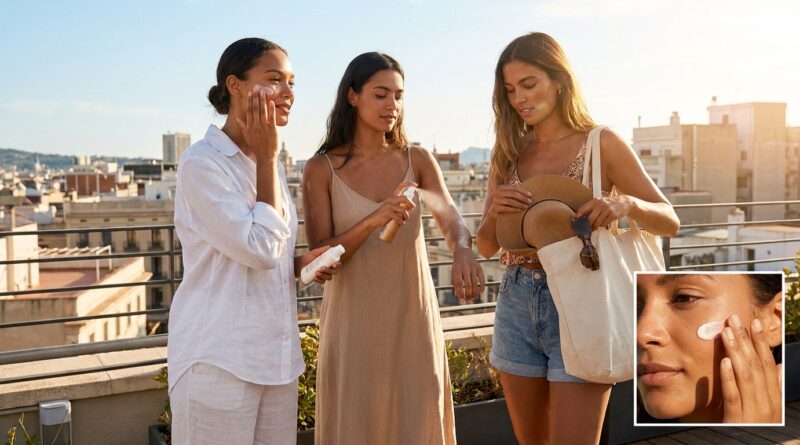
New ‘SPF-Over-Sunless’ Rule: Why Your Fake Tan Needs Real Sun Protection Every Single Day
You are not imagining it. A fake tan can make you look sun-kissed, but it does not make you sun-safe. That is where a lot of people get tripped up. You switch from tanning beds or baking in the sun to self tanner because it is the safer choice, then assume the bronze glow must count for something outdoors. Then holiday arrives, you skip proper sunscreen once or twice, and suddenly you are red, sore, and wondering what went wrong. The short answer is simple: if you have been asking, does self tanner protect you from the sun, the answer is no. Not lotion, not mousse, not drops, not a spray tan. In fact, some experts say freshly sunless-tanned skin may need extra care during the first day. So the new rule is easy to remember. Fake tan for color. Real SPF for protection. Every day, every time you go outside.
⚡ In a Hurry? Key Takeaways
- Self tanner does not protect you from UV rays, so it does not stop sunburn or lower skin cancer risk.
- Use a broad-spectrum SPF 30 or higher over your fake tan every morning, then reapply if you are outside.
- Freshly applied sunless tan may need extra caution in the first 24 hours, especially before long outdoor time.
Does self tanner protect you from the sun?
No. Self tanner changes the look of your skin. It does not give you meaningful UV protection.
That is the key thing to keep straight. The bronze color from self tanner comes from a reaction in the top layer of skin, usually involving DHA, not from melanin made by your body in response to sun exposure. So while your skin may look tanned, it is not functioning like skin that has built even a small natural defense. And to be clear, even a real tan is still a sign of skin damage, not a health boost.
If you are walking out the door with a faux glow and no sunscreen, your skin is still exposed to UVA and UVB rays just like it was before the tan.
Why this myth sticks around
The confusion makes sense. A lot of product marketing talks about a “sun-kissed glow,” “bronzed skin,” or looking like you just came back from holiday. That language blurs the line between appearance and protection.
Also, many beauty guides focus almost entirely on application. How to avoid streaks. How to make it last longer. How to keep your palms from going orange. Useful stuff, sure, but it can leave out the part that matters most once you step outside.
That gap is exactly why this newer “SPF over sunless” advice matters. It gives people a routine they can actually remember.
What experts are saying now
The advice from cancer organizations, dermatology groups, and travel health experts is lining up around the same basic message. Sunless tanning is safer than UV tanning because it avoids deliberate UV exposure. But it is not sunscreen.
Some guidance also points to extra caution right after application. Freshly treated skin may be more sensitive in the first 24 hours, especially if you are going straight from tanning to intense outdoor exposure. That does not mean self tanner is dangerous in the same way as tanning in the sun. It means you should not treat a new fake tan like protective armor.
The simple version
Self tanner replaces sunbathing for color. It does not replace SPF for safety.
The new “SPF over sunless” rule
Here is the routine that makes this easy.
Morning rule
If any skin will be exposed, put broad-spectrum sunscreen over your self tanner. SPF 30 is a solid everyday minimum. If you will be outside longer, near water, at altitude, or on holiday, many people do better with SPF 50.
Reapply rule
If you are spending time outdoors, reapply every two hours. Reapply sooner after swimming, sweating, or towel drying.
First-day rule
If you applied self tanner in the last 24 hours, be a little more careful. Lean harder on shade, hats, clothing, and consistent sunscreen use. If possible, avoid treating that day like your full-beach marathon.
Vacation rule
A fake tan before a trip can help you feel more confident in shorts or swimwear. Fine. Just do not let that bronze color trick you into acting like you already have built-in protection.
How to wear sunscreen without wrecking your fake tan
This is the part people worry about. They hear “wear more SPF” and think, great, now my expensive glow will slide off by lunch.
Usually, it is manageable.
Pick the right formula
Go for broad-spectrum sunscreen that you will actually use enough of. Lotions and creams are often the most reliable because they are easier to apply evenly. Gels and lightweight fluids can work well on the face. Sprays are convenient, but they are also easy to underapply.
Let products settle
If you are using self tanner at home, let it fully develop and rinse according to product instructions before layering on other products. In the morning, let moisturizer sink in, then apply sunscreen evenly instead of rubbing aggressively.
Pat, do not scrub
When drying off after swimming or sweating, pat your skin. Rough rubbing can wear down both tan and sunscreen.
Use clothing as backup
A hat, cover-up, sunglasses, and a bit of shade take pressure off your sunscreen and help your tan last longer too.
What about moisturizers or makeup with SPF?
They can help, but do not assume they are enough on their own.
If your tinted moisturizer has SPF 15 and you use a tiny amount, that is not the same as applying a full layer of sunscreen. For daily life, especially on the face, many people do best with a dedicated sunscreen first, then makeup on top.
If your body lotion says “gradual tan” and also mentions SPF, check the label carefully. Some products do include sun protection, but many do not, and some formulas only protect if you apply a much thicker layer than most people actually use.
Common mistakes that lead to burns
Thinking the color means coverage
This is the big one. Bronze is cosmetic. UV protection is separate.
Skipping cloudy-day sunscreen
UV rays still get through clouds. You can still burn on bright overcast days.
Forgetting high-risk spots
Ears, chest, shoulders, tops of feet, scalp parting, and hands get missed all the time.
Using sunscreen once and calling it done
Morning-only sunscreen is often not enough for beach days, festivals, hikes, or long city walks.
If you use spray tans, there is one more thing to remember
Spray tans are still part of the same rule. Nice color, no UV shield. If you get booth tans, it is also worth reading New ‘Spray-Booth-Safe’ Rule: How To Avoid Falls, Fumes And Blotchy Ankles In Modern Sunless Tanning Booths. It covers some very practical booth issues that beauty ads tend to skip.
A simple daily playbook you can actually follow
For normal days
Apply self tanner when you want color. The next morning, use broad-spectrum SPF 30 or higher on exposed skin. Keep a small sunscreen in your bag for touch-ups.
For holidays and festivals
Use SPF 50 if you burn easily or expect strong sun. Reapply often. Add a hat and sunglasses. Set a phone reminder if you always forget the two-hour mark.
For fresh tans
In the first 24 hours, take the cautious route. Limit intense sun if you can. Think of that first day as your “shade and SPF” day.
At a Glance: Comparison
| Feature/Aspect | Details | Verdict |
|---|---|---|
| Self tanner | Adds cosmetic color to the top layer of skin, but does not block UVA or UVB rays | Good for glow, not for protection |
| Broad-spectrum sunscreen | Helps protect against sunburn and UV damage when applied correctly and reapplied | Essential every day on exposed skin |
| Fresh sunless tan in first 24 hours | May call for extra caution outdoors, especially during long sun exposure | Use SPF, shade, and common sense |
Conclusion
If you remember just one thing, make it this: the answer to does self tanner protect you from the sun is no, and that is why the “SPF over sunless” rule matters. Right now there is a wave of updated guidance from cancer organizations, dermatology groups and travel medicine experts all saying the same thing. Sunless tanners do not protect you from UV, and in some cases freshly tanned skin may even be more vulnerable in the first 24 hours after application. Meanwhile, a lot of beauty coverage is still focused on getting a streak-free finish, not on what happens when you step outside. If you have worked hard to move away from tanning beds and sunburns, this is the last gap to close. Keep the fake tan if you enjoy it. Just pair it with real sunscreen, every single day, whether you are grabbing coffee, heading on vacation, or spending all afternoon at a festival.