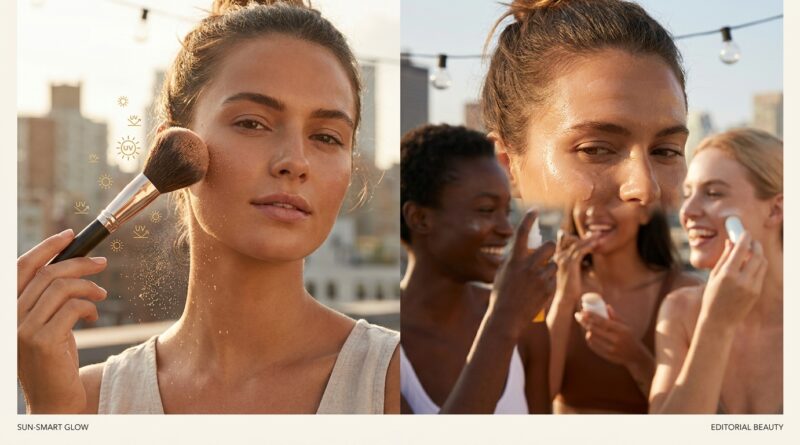
New ‘Powder SPF Tan-Killer’ Warning: Why TikTok’s Favorite Reapplication Hack Can Quietly Damage Your Skin And Your Faux Glow
If you have worked hard for a smooth self tan, the last thing you want is a trendy sunscreen trick ruining both your skin and your glow. That is why the powder SPF craze on TikTok deserves a real reality check. It looks neat, fast and makeup-friendly. You dust it on, skip the greasy hands, and keep your bronzed look in place. I get the appeal. But here is the problem. Most people are not applying anywhere near enough powder sunscreen to reach the SPF number on the label. So while it feels like you are protected, you may be getting very little real coverage at all. That means more UV exposure, more risk of sun damage, and a self tan that fades in weird patches instead of evenly. If you have been wondering, “is powder sunscreen over self tanner safe,” the honest answer is: only in limited situations, and usually not as your main line of defense outdoors.
⚡ In a Hurry? Key Takeaways
- Powder sunscreen over self tanner is not a reliable primary SPF for beach, pool, festival or all-day sun.
- Use powders mainly for quick touch-ups over makeup, then build your real protection with lotion, stick, gel, mist and UPF clothing.
- Weak SPF coverage does not just raise UV risk. It can also make faux tans fade unevenly, patchily and faster in exposed spots.
Why this TikTok hack is getting so much pushback
Powder sunscreens are not fake products. They do have a place. The issue is how they are being used.
On social media, they are often sold as the perfect answer for reapplying sunscreen without smearing makeup or stripping self tanner. That sounds ideal. But dermatologists and skin experts keep pointing out the same problem. The SPF on the package is based on a thick, specific amount being applied in testing. In real life, most people sweep on a light veil. Not a dense, even layer.
Think of it like painting a wall. One whisper-thin pass does not give full coverage. You can still see through it. Powder SPF works similarly. If you are only dusting on a little because you do not want to look cakey, your skin may be much more exposed than you think.
So, is powder sunscreen over self tanner safe?
Short answer: it can be safe as a backup or touch-up product, but it is usually not safe enough as your only sunscreen in strong sun.
When powder SPF is okay
It can make sense for:
- Brief outdoor errands
- Low-UV days
- Touch-ups over makeup when you are mostly indoors
- Scalp part lines or small areas where creams are annoying
When powder SPF is a bad idea on its own
It is not a good solo choice for:
- Beach days
- Pool lounging
- Festivals
- Sports
- Long walks in direct sun
- Any situation with sweating, rubbing or water exposure
If your plan is a full afternoon outside, powder is not enough protection by itself. It is just too easy to underapply.
Why underapplying powder SPF is such a big deal
Most people think the risk is just sunburn. That is part of it, of course. But there is another issue for self-tan fans. UV exposure does not treat your faux glow evenly.
Areas that get more sun often dry out faster, heat up more and shed skin cells unevenly. That can leave your tan looking blotchy around the forehead, nose, upper lip, shoulders and chest. So the same weak SPF application that puts your skin at risk can also make your tan fade in a way that looks messy and harder to fix.
This is why a “tan-safe” sunscreen routine matters. You are protecting your skin first, but you are also helping your self tanner wear more evenly.
What makes powder sunscreen tricky in real life
1. You need more product than you think
To get close to the labeled SPF, you often need to apply a lot of powder. Much more than most people want on their face. If you stop when it looks natural, there is a good chance you stopped too early.
2. Coverage can be patchy
Powder does not always spread evenly around the nose, hairline, jaw, ears and sides of the face. Those are exactly the spots people miss. And they are often the first places to show sun damage.
3. Sweat and oil change the game
At the beach or a summer event, skin gets sweaty. Makeup shifts. Powder clings in some spots and slides off others. So even if you started with decent coverage, it may not stay that way.
4. It is easy to trust the label too much
SPF 30 or 50 on the front can create a false sense of security. But the number only matters if enough product is on your skin. That is the part TikTok clips often leave out.
What to use instead if you want to protect your self tan
The good news is you do not have to choose between sun safety and a nice bronzed look. You just need better tools.
SPF sticks
These are great around the eyes, nose, cheekbones and forehead. They are less messy than lotions and usually easier to apply generously without wrecking makeup.
Clear gels
Some SPF gels go on with less white cast and less slip than classic creams. They can work well if you want a lighter feel on top of self tanner.
Face mists and sprays
These can be useful for reapplication, but use them carefully. You need enough product, even coverage, and often a rub-in step depending on the formula. A tiny cloud from arm’s length is not enough.
Classic lotion under everything
If you are headed into serious sun, a proper base layer of lotion is still the smartest move. Let it set, then do your makeup or go makeup-light.
UPF clothing and hats
This is the underrated hero. A hat, sunglasses and a lightweight cover-up protect your skin without touching your tan at all.
If you also swim or spend time near the ocean, you may want to read New ‘Reef‑Safe Tan Routine’: How To Pair Your Self‑Tanner With Ocean‑Friendly SPF Without Sabotaging Your Skin. It is a helpful next step if you want a routine that is easier on both your skin and the water.
How to build a tan-safe SPF wardrobe
Think of sunscreen the way you think of shoes. One pair does not fit every plan.
For everyday wear
Use a comfortable lotion or fluid sunscreen in the morning. Keep a powder or stick for small touch-ups if you are mostly indoors.
For beach and pool days
Start with a water-resistant lotion. Reapply with lotion, stick or a proper spray. Add a hat and cover-up. Powder should be a minor extra, not your main product.
For festivals and long outdoor events
Use a base layer of sunscreen before makeup. Bring a stick for high points of the face and a mist or spray you know how to apply well. Powder can help with shine, but do not let it carry the whole job.
For keeping self tan looking even
Protect exposed areas consistently. Hydrate skin well. Avoid letting your nose, forehead and shoulders get repeated UV hits while the rest of your body stays covered. That uneven exposure is often what creates patchy fade.
Red flags that your powder SPF routine is not enough
- You are outside for hours and powder is your only SPF
- You are sweating, swimming or toweling off
- You apply just one quick pass with the brush
- You miss the ears, hairline, neck and chest
- Your skin feels hot or looks pink later
- Your self tan fades faster on sun-exposed spots
If any of that sounds familiar, your routine probably needs an upgrade.
At a Glance: Comparison
| Feature/Aspect | Details | Verdict |
|---|---|---|
| Powder sunscreen over self tanner | Convenient over makeup and helpful for quick touch-ups, but easy to underapply and often patchy in strong sun | Okay as a backup. Not ideal as your only SPF outdoors |
| Stick, gel or lotion SPF | Usually easier to apply in a meaningful amount and more dependable for face and body coverage | Best choice for real protection |
| UPF clothing and hats | No reapplication mess, no makeup disturbance, and no risk of rubbing off self tan in the same way | Excellent add-on that makes every SPF routine better |
Conclusion
Powder SPF is not evil. It is just being asked to do a job it usually cannot do well on its own. If you love self tan, that matters more than ever. Weak sun protection does not just leave skin open to UV damage. It can also wreck that even, golden fade you were hoping to keep. The smart middle ground is simple. Use powder for what it does well, small touch-ups and convenience, then rely on stronger options like sticks, gels, lotions, mists and sun-protective clothing when the sun is serious. That is the real value here for anyone trying to stay bronzed without being burned. Trends move fast. Your skin has to last.