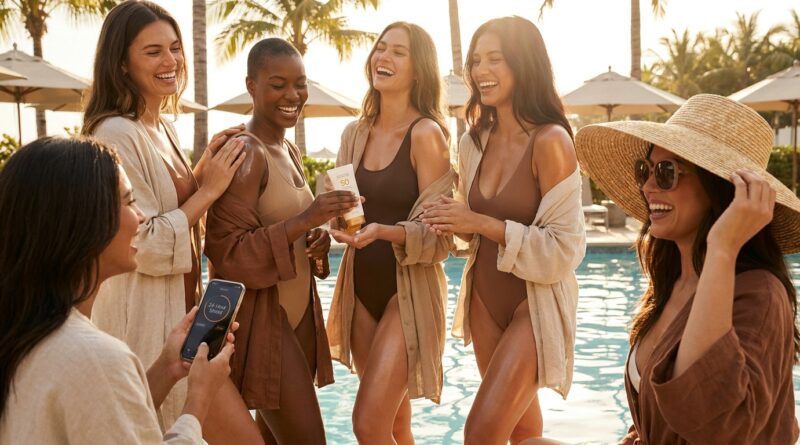
New ‘Post-Tan UV Danger’ Rule: Why Your Skin Is More Vulnerable To Sun For 24 Hours After Self‑Tanner (And How To Protect It)
You did the “safe” thing. You skipped tanning beds, reached for self-tanner, and woke up looking nicely bronzed. So it feels unfair to hear that the first 24 hours after applying it may be the exact time you need to be extra careful in the sun. But that’s the part most people miss. A faux glow can look like protection, even though it is not sunscreen, not a UV shield, and not a free pass for a long pool day. Some dermatologists and safety groups also warn that freshly applied self-tanner may leave skin more vulnerable during that first day, especially if you head straight into strong sun and assume your new color has you covered. The good news is you do not need to give up your bronze. You just need a smarter routine for self tanner 24 hours sun exposure safety, so you can enjoy the glow without getting tricked into hidden UV damage.
⚡ In a Hurry? Key Takeaways
- Self-tanner does not protect you from UV, and the first 24 hours after application may be the time to be most careful.
- For that first day, use broad-spectrum SPF 30 or higher, limit direct midday sun, and add clothing, shade, and a hat.
- Thinking your faux tan works like a real tan can lead to surprise burns, faster photoaging, and more long-term skin risk.
Why the first 24 hours matter
Self-tanner works by coloring the top layer of your skin, usually with DHA, short for dihydroxyacetone. That color can make you look sun-kissed, but it does not create melanin. And melanin is what gives natural skin tone some built-in defense against UV. Not perfect defense, of course, but some.
That means your bronze look and your actual UV protection are two totally different things. You may look darker. Your skin is not safer.
Some experts also point out that the chemical reaction that creates the tan effect can leave skin more reactive for a short window. The big practical takeaway is simple. Fresh self-tanner is not the moment to test your luck at a rooftop brunch, beach day, or music festival with no SPF.
The mistake people make after self-tanner
The mistake is not using self-tanner. The mistake is treating it like a natural tan.
Once people see color, they often stay out longer without reapplying sunscreen. They may skip shade breaks. They may wear less coverage because they want to “show off the tan.” That false sense of safety is where problems start.
This matters even more if you exfoliated, shaved, dry-brushed, or used active skin care before applying self-tanner. All of that can leave skin a little more exposed and easier to irritate.
Your real-life 24-hour self-tanner safety plan
Right after application
Keep things calm. Let the product develop. Avoid direct sun if you can, especially long stretches outdoors. If you have to go out, cover up first instead of relying on the fresh tan.
Loose clothing helps. So do sunglasses and a wide-brim hat. Think of the first few hours as “indoor bronze time.”
Before any outdoor plans
Use a broad-spectrum sunscreen rated SPF 30 or higher. SPF 50 is even better if you know you will be outside for a while. Put it on all exposed skin, not just the spots that burn easily.
If you are worried sunscreen will mess up your tan, pick a lightweight lotion, gel, or spray that is clearly labeled broad-spectrum. Apply it gently. Do not scrub it in like you are polishing a countertop.
During the day
Reapply sunscreen every two hours, and sooner if you swim or sweat. Stay in shade when you can, especially from late morning to mid-afternoon. If you are at a pool, beach, or festival, set a phone timer. That small habit saves a lot of skin.
Also remember this. Heat can fool you. A breezy day or a cloudy day can still come with a high UV index.
What to do if you applied self-tanner last night and have sun plans today
This is where most people get tripped up. They applied self-tanner for an event, then the next day they have a picnic, soccer game, wedding, or beach trip.
Here is the easy playbook:
- Shower if your product directions say the development window is over.
- Moisturize if your skin feels dry.
- Apply broad-spectrum SPF 30 or higher before leaving.
- Wear a hat, UV-blocking sunglasses, and a cover-up if possible.
- Plan shade breaks, especially between 10 a.m. and 4 p.m.
- Reapply sunscreen on schedule.
If the event is optional and the sun will be intense, the safest move is to shorten your direct sun time that day. Your tan will still be there tomorrow.
Can sunscreen ruin a self-tan?
Usually, not in any dramatic way. Harsh rubbing, heavy exfoliation, long swims, and some oily formulas can wear a tan faster, but sunscreen is still non-negotiable. A slightly less perfect tan is better than a burn, peeling, and uneven fading.
If you want the best result, moisturize daily and pat skin dry after swimming instead of rubbing with a towel.
Signs you are relying on your faux tan too much
Watch for these red flags:
- You stay outside longer because you “already look tan.”
- You skip sunscreen on cloudy days.
- You think one morning application covers an all-day event.
- You burn and feel surprised because your skin looked darker.
If any of that sounds familiar, your routine needs one fix. Separate color from protection in your mind.
Extra care if you use spray tans
If your glow comes from a booth or salon spray, the UV rules stay the same. Color is still color, not SPF. And if you are booking regular spray tans, it is also worth thinking about the application side of safety, not just the sun side. Our guide to New ‘Barrier-First Spray Tan’ Rule: How To Protect Your Lungs, Eyes And Skin At The Booth Without Giving Up Your Bronze walks through the steps that help keep the whole process smarter.
Who should be extra careful?
Everyone should protect their skin after self-tanner, but a few groups should be especially strict about it:
- People with very fair skin
- Anyone with a history of sunburns
- People using retinoids, acids, or acne treatments
- Anyone going to high-UV settings like the beach, lake, mountains, or open-air festivals
If you fall into one of those groups, think SPF 50, protective clothing, and less midday sun, especially in that first 24-hour window.
At a Glance: Comparison
| Feature/Aspect | Details | Verdict |
|---|---|---|
| Self-tanner vs UV protection | Self-tanner adds cosmetic color but does not create meaningful sun protection. | Do not treat it like SPF. |
| First 24 hours after application | This may be the most misleading period because skin looks bronzed while still needing full UV protection. | Use extra caution outdoors. |
| Best protection routine | Broad-spectrum SPF 30 or higher, reapplication every two hours, shade, hats, and sun-smart timing. | Best way to keep the glow and lower the risk. |
Conclusion
Self-tanner is a great way to get the look of a tan without chasing UV damage, but the first day after application is not the time to get casual about the sun. Derms and safety groups keep saying the same thing for a reason. Sunless tanners do not protect against UV, and that fresh bronze can make it way too easy to overestimate how safe your skin really is. If you follow a simple apply, protect, enjoy routine, you can avoid surprise burns, cut down on photoaging, and keep enjoying your favorite self-tanners with a lot less stress about long-term skin damage.