New ‘Peptide Tan’ Safety Rule: What Melanotan Hype Really Means For Your Glow In 2026
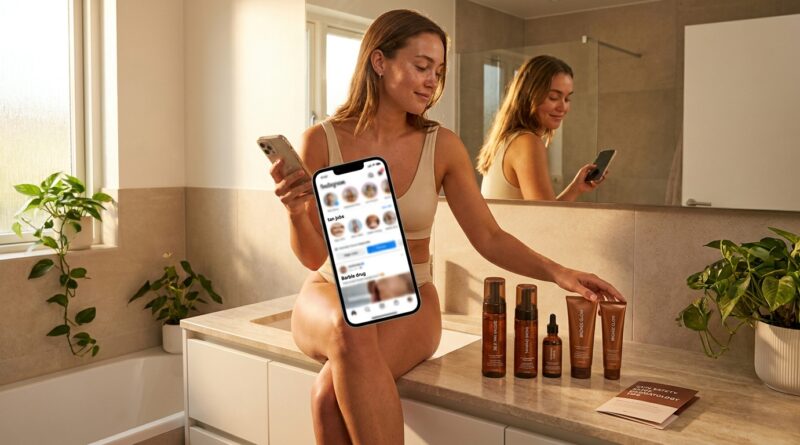
Your feed can make it feel like everyone suddenly knows a secret you do not. One girl is calling Melanotan her best beauty hack. Another is calling it the “Barbie drug.” Then a dermatologist pops up and says these tanning peptides are unregulated, risky, and not something you should casually inject because TikTok made them look normal. If you are sitting there with your mousse, mitt, and gradual lotion wondering if you are the only one doing things the boring way, take a breath. You are not behind. You are actually asking the right question: are tanning peptides like Melanotan safe? Right now, the honest answer is no one can call them a safe glow shortcut. There is far more hype than proof, and that gap matters when the product in question is often bought from underground sellers and used without meaningful medical oversight.
⚡ In a Hurry? Key Takeaways
- Tanning peptides like Melanotan are not considered a proven safe way to tan, and many versions sold online are unregulated.
- If you want a deeper glow, stick with DHA self-tanners, bronzing drops, and gradual tan products instead of injectable or nasal peptide products.
- The biggest risk is not just side effects. It is the mix of unknown ingredients, sketchy sourcing, and very limited long-term safety data.
What people mean when they say “tanning peptides”
Usually they mean Melanotan I, Melanotan II, or related products sold as injections, nasal sprays, or “research” compounds. These products are marketed as a way to stimulate melanin production so skin darkens from within rather than being coated on the surface like a self-tanner.
That sounds appealing. A tan that develops on its own. Less mess. Less transfer. Fewer weekly touch-ups. I get why that pitch lands.
But the sales pitch is cleaner than the reality.
So, are tanning peptides like Melanotan safe?
For most readers, the practical answer is no, they should not be treated as safe. Not because every single person who uses them will have a disaster, but because the safety picture is thin, the sourcing is often questionable, and the side effects are real enough that this is not in the same category as trying a new tanning mousse.
Here is the core issue
Melanotan products have become far more viral than they are medically settled. Many are sold online without the kind of quality control most people assume exists. That means you may not know exactly what is in the vial, spray, or pen, how strong it is, whether it is sterile, or whether the dosing advice floating around social media is remotely appropriate.
That is a bad setup for anything injectable. It is an especially bad setup for something being used for cosmetic reasons.
Why dermatologists keep sounding the alarm
Most skin experts are not trying to ruin anyone’s fun. They are reacting to a pretty obvious problem. A cosmetic trend is moving faster than the evidence behind it.
Reported concerns around Melanotan-type products can include:
- Nausea
- Flushing
- Headache
- Appetite changes
- Changes in moles or freckles
- Uneven darkening
- Risk from contaminated or mislabeled products
There is also the long-term question. We still do not have the kind of broad, reassuring safety data most people would want before calling this a normal beauty tool. That matters more than any before-and-after photo.
The 2026 safety rule that actually makes sense
If a tanning product is viral, unregulated, and enters your body rather than sitting on top of your skin, do not treat it like a harmless beauty upgrade.
That is the rule.
It sounds simple, but it cuts through a lot of noise. Plenty of trends look less serious than they are because they are wrapped in cute language like “tan jabs” or “Barbie drug.” The nickname can make it sound playful. The risk does not become playful just because the branding did.
If you want a deeper breakdown of the hype versus reality, New ‘Barbie Shot Reality Check’ Rule: The 2026 Truth About Melanotan Peptides vs Safe Sunless Tans is worth reading next. It lays out why so many people are tempted, and why that temptation deserves a pause.
How Melanotan differs from regular self-tanner
DHA self-tanner works on the surface
Traditional self-tanners usually rely on DHA, which reacts with the top layer of dead skin cells to create a temporary bronzed look. It can smell weird. It can streak if you rush. But the mechanism is well known, and you are not injecting anything or buying mystery peptides from side channels.
Peptide tanning aims to change pigment production
That is a much bigger step. It is not just “better self-tanner.” It is a different category of product with a different level of concern.
If your current frustration is that self-tanner fades too fast or looks too light, that is a routine problem. It calls for a routine fix. It does not automatically mean you need to jump into an underground product space.
What “unregulated” really means for you
This is the part people often skip. “Unregulated” sounds abstract until you translate it into everyday terms.
It can mean:
- No reliable check that the dose on the label matches what is inside
- No guarantee the product is sterile
- No confidence the seller stored it correctly
- No standard instructions backed by strong clinical evidence
- No easy safety net if something goes wrong
That is not the same as buying a bottle of tan from a beauty retailer and patch testing it on your arm.
If you want a darker-looking glow, do this instead
Use better sunless layering
A lot of people turn to peptide hype because they think they have “maxed out” normal tanning products. Usually, they have not. Try layering a gradual tan for three to five days before an event, then top it with a mousse or lotion in a matching undertone.
Focus on undertone, not just depth
If your tan looks fake, the issue may be color, not darkness. Olive, golden, neutral, and violet-brown formulas can look very different on skin. Sometimes the “I need something stronger” feeling is really “I need a better color match.”
Prep better
Dry elbows, patchy ankles, leftover tan buildup, and rushed application make average products look worse than they are. Exfoliating, moisturizing rough spots, and using a mitt can do more for your glow than chasing a risky trend.
Use cosmetic bronzing strategically
Body makeup, bronzing drops, and wash-off tints can create that deeper vacation look without asking your body to do anything strange.
Red flags that should make you walk away fast
If you are still being tempted by peptide content online, watch for these warning signs:
- Products sold through DMs or private groups
- Vials labeled for “research use only” but clearly marketed for beauty
- Before-and-after posts with no mention of side effects
- Claims that something is “totally safe” because it is a peptide
- Advice that treats nausea or mole changes like no big deal
- Pressure to buy quickly before “rules change”
When a seller is trying to outrun scrutiny, that is your cue to slow down.
At a Glance: Comparison
| Feature/Aspect | Details | Verdict |
|---|---|---|
| Safety evidence | Melanotan-type tanning peptides have limited reassuring long-term data, while DHA self-tanners are far better understood for cosmetic use on skin. | Self-tanner is the safer mainstream option. |
| Regulation and product quality | Peptide products are often sold through loosely controlled channels, with questions around labeling, sterility, and strength. Standard self-tanners come through normal retail and beauty supply chains. | Peptides carry much more uncertainty. |
| Getting a deeper glow | Peptides promise internal pigment changes. Sunless options use DHA, bronzers, and layering to build depth without entering the body. | Try smarter sunless techniques before even thinking about risky alternatives. |
Conclusion
You do not need to let fear or hype make the choice for you. Right now there is a real knowledge gap between how viral Melanotan and other tanning peptides are online and how little safety data actually exists behind them. That is exactly why the smartest move is often the least flashy one. If you have worked hard to quit tanning beds, clean up your routine, or find a sunless tan that works for your skin, do not let social pressure push you into a loosely regulated injectable product space. A calm, evidence-based rule works best here: if the glow comes with unclear ingredients, unclear oversight, and unclear long-term risks, it is not a smart beauty shortcut. Stick with proven sunless options, improve your technique, and remember that being cautious does not mean you are missing out. It means you are protecting your skin and your health while everyone else is sorting hype from reality.