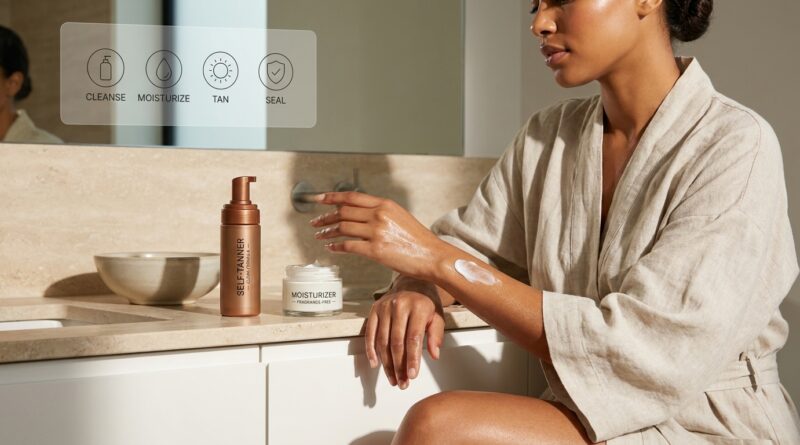
New ‘Hydration-First Glow’ Rule: How To Stop Self Tanner From Wrecking Your Skin Barrier In 2026
Your tan is glowing, but your skin feels angry. That tight, itchy, flaky feeling that shows up a few days after self-tanner is real, and a lot of people are dealing with it right now. The problem is not always the tan itself. It is often the mix of high-DHA formulas, prep scrubs, shaving, retinoids, acids, and not enough hydration before and after. In plain English, your color may look great on day one while your skin barrier quietly takes the hit by day seven. The new hydration-first approach is simple. Treat self-tan like a stressor, not just a beauty step. That means fewer harsh prep habits, more moisture before and after, and a short pause on strong actives if your skin is already feeling sensitive. If you want a self tanner dry skin barrier safe routine, the goal is not just better color. It is skin that still feels comfortable when the bronze fades.
⚡ In a Hurry? Key Takeaways
- Yes, self-tanner can leave skin dry and stingy if your barrier is already stressed. Hydration-first prep helps prevent that.
- Stop over-exfoliating, moisturize for several days before tanning, and pause strong acids or retinoids around application day.
- If your skin burns, stays red, or develops a rash, skip tanning and focus on barrier repair first.
Why self-tanner can mess with your skin barrier
Self-tanner is often sold as the safer alternative to sun exposure, and that part is true. But safer than UV damage does not always mean gentle. Many tanning products rely on DHA, the ingredient that reacts with dead skin cells to create color. That reaction is usually fine for healthy skin, but it can feel rough on skin that is already dry, over-exfoliated, or irritated.
Now add real life. You shave. You scrub. You use a peel pad. You put on a high-strength tan mousse. Then you wait for that smooth bronze. A few days later, your skin feels papery, itchy, and weirdly sensitive. That is often a barrier problem, not just “dry skin.”
Your skin barrier is basically your body’s outer seal. It helps hold water in and keeps irritants out. When that seal gets beat up, you notice tightness, stinging, rough patches, and redness.
The new hydration-first glow rule
The rule is simple. Hydrate first, tan second. Not the other way around.
A good self tanner dry skin barrier safe routine starts with getting your skin calm and comfortable before any bronzing product goes on. If your skin already feels prickly after cleansing, or flaky around your knees, elbows, or chest, that is not a sign to scrub harder. It is a sign to repair first.
What hydration-first really means
It does not mean slathering heavy lotion on five minutes before tanning and hoping for the best. It means building up your skin’s moisture level in the days leading up to application.
Think of it like painting a wall. If the wall is cracked and dusty, the finish will not look right. Skin works the same way.
How to prep your skin without overdoing it
1. Start moisturizing two to three days before tanning
Use a plain, fragrance-light moisturizer with ingredients like glycerin, ceramides, squalane, or hyaluronic acid. Apply it once or twice a day, especially after showering.
If your skin is very dry, put a little extra on rough zones like ankles, knees, elbows, and wrists.
2. Exfoliate gently, and only once
You do want to smooth away loose, flaky skin. You do not want to sand your body down like a deck chair. Skip harsh scrubs with sharp particles if your skin is sensitive. A soft washcloth or mild exfoliating mitt used lightly is usually enough.
Do this about 24 hours before tanning, not right before.
3. Be careful with shaving
Shaving is sneaky. It is a form of exfoliation too. If you shave and apply self-tanner immediately after, some people end up with stingy skin or uneven color. Try shaving the day before if you can.
4. Pause strong actives if your skin is touchy
If you use retinoids, glycolic acid, salicylic acid, benzoyl peroxide, or strong resurfacing body lotions, take a short break around tanning day, especially if you are already dry.
This matters even more if you are using body care meant for acne, keratosis pilaris, or texture. Those products can be great, but they can also make tanning feel harsher and fade unevenly.
What to do on tanning day
Keep skin clean and dry
Start with clean skin. Skip heavy oils, strong perfume, or rich body butter right before application unless the product instructions say otherwise.
You can use a tiny amount of moisturizer on extra-dry spots like knees, elbows, ankles, and knuckles. This helps prevent those areas from grabbing too much color.
Choose formula strength wisely
If your barrier is sensitive, high-DHA formulas are not always your friend. Darker, faster-developing products can be more drying for some people, especially if you leave them on for long periods.
If your skin has been fussy lately, go one shade lighter than usual or use a gradual tanner. You can always build color. It is much harder to undo a week of irritation.
Patch test if your skin has been reacting lately
This sounds boring, but it saves drama. Try the tanner on a small area first, especially if you changed brands or started new skincare.
The aftercare that protects your barrier and your color
Moisturize every day, starting after the first rinse
This is where a lot of people drop the ball. They focus on prep, then forget that the tan keeps sitting on skin that still needs water. Daily moisturizing helps your tan fade more evenly and helps your barrier stay intact.
Use a simple lotion, not one packed with acids or exfoliating ingredients.
Take lukewarm showers
Hot water feels great. Your barrier disagrees. Long, steamy showers can dry skin out fast and make fading patchier too.
Use gentle body wash
Skip squeaky-clean cleansers that leave your skin feeling stripped. Look for creamy or mild formulas that do not make you feel tight after rinsing.
Do not chase flakes with more scrubbing
If your tan starts looking dry, your first instinct may be to exfoliate again. Sometimes that makes things worse. Try moisturizing for a day or two first. Often the “patchiness” is really dehydrated skin.
Signs your barrier is struggling, not just dry
Dryness is common. Barrier damage has a few extra clues.
- Stinging when you apply basic lotion
- Redness that hangs around
- Burning after showering
- Itchy, flaky patches that keep spreading
- Skin that feels shiny, tight, and irritated at the same time
If that sounds familiar, stop tanning for a bit. Focus on bland, boring skincare. That usually means gentle cleanser, rich moisturizer, and no scrubs or strong actives until things calm down.
A simple self tanner dry skin barrier safe routine
Three days before
Moisturize daily. Cut back on acids and retinoids if your skin is easily irritated.
One day before
Shave if needed. Exfoliate gently once. Moisturize after.
Tanning day
Clean, dry skin. Tiny bit of lotion only on rough spots. Apply a moderate-strength tanner evenly. Do not pile product onto dry areas.
The next seven days
Moisturize daily. Use gentle body wash. Keep showers warm, not hot. Skip harsh exfoliation unless you are removing leftover tan at the very end.
Who needs to be extra careful
If you have eczema, very dry skin, recent overuse of exfoliants, or a habit of stacking lots of active body care, be more careful. The same goes for anyone using prescription retinoids or acne treatments on the body.
Hormones can play a role too. Some people notice their skin becomes more reactive or their tan wears differently during their cycle. If that sounds familiar, this guide on New ‘Period-Safe Glow’ Rule: What Gynecologists Want You To Know Before Self-Tanning On Your Cycle is worth a read.
When to stop and reset
If your skin is stinging every time you moisturize, or if you are getting red, rashy, or sore patches, do not try to “tan through it.” That almost never ends well.
Take a break. Use a gentle cleanser and a barrier-focused moisturizer. Look for ceramides, petrolatum, colloidal oatmeal, or glycerin. If symptoms are strong or not improving, check with a dermatologist.
At a Glance: Comparison
| Feature/Aspect | Details | Verdict |
|---|---|---|
| Prep style | Aggressive scrubbing and same-day shaving versus gentle exfoliation and hydration in the days before tanning | Hydration-first wins for both comfort and a more even fade |
| Tanner strength | High-DHA dark formulas can be more drying on stressed skin than gradual or medium-depth options | Start lighter if your skin is reactive |
| Aftercare | Daily bland moisturizer and gentle washing versus hot showers and active-heavy body care | Barrier-friendly aftercare helps the tan last without the itch |
Conclusion
The big shift for 2026 is not just getting darker, faster, or more “perfect” color. It is getting smarter about what your skin can actually handle. Dryness, stinging and barrier irritation from self tanners are climbing topics in beauty forums right now, especially among people layering exfoliating actives, retinoids and high-DHA formulas. A hydration-first, barrier-safe routine gives you something useful you can do right away. Less irritation. Better-looking fade. More trust in your own routine. You do not have to choose between a nice glow and comfortable skin. With a little prep and a little restraint, you can keep both.