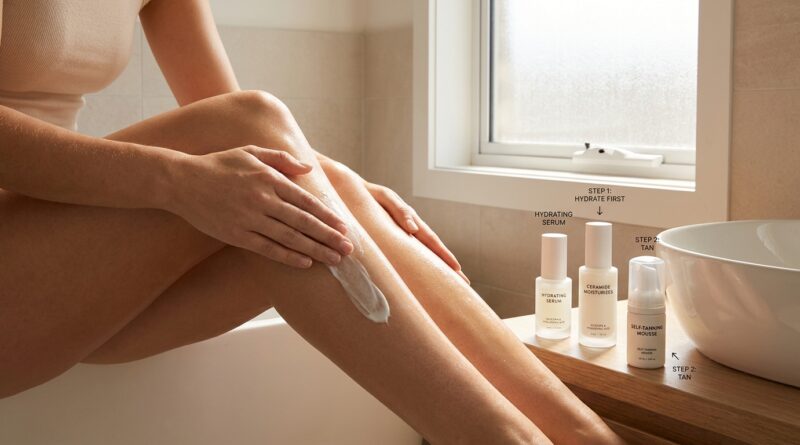
New ‘Hydrated-Tan Skin’ Rule: How To Keep Your Sunless Glow From Wrecking Your Moisture Barrier In 2026
Your fake tan is supposed to make your skin look healthier, not leave it tight, itchy, shiny in the wrong way, or flaking off by day three. That is the part a lot of people miss. A deep sunless glow can look great, but if you keep layering DHA mousse, drops, or spray tans onto dry, over-scrubbed skin, your moisture barrier takes the hit. Then the cycle starts. You exfoliate more because the fade looks patchy. You reapply sooner because the color looks uneven. Your skin gets drier, stingier, and harder to tan well. If you have been wondering how to protect skin barrier while using self tanner, the answer is not to stop moisturizing. It is to build a smarter routine around your tanning days, not against them. The good news is you do not need a 12-step shelf. You just need better timing, gentler prep, and a little restraint.
⚡ In a Hurry? Key Takeaways
- To protect your skin barrier while using self tanner, keep skin hydrated daily, cut back harsh exfoliation, and never apply tan over irritated skin.
- Use a plain, fragrance-light moisturizer on non-tan days, and focus on elbows, knees, hands, and ankles after your tan has fully developed.
- Sunless tanning is still safer than UV tanning, but repeated DHA use on dry, damaged skin can lead to stinging, patchy fade, and more irritation.
Why your glow keeps turning into dryness
Most self-tanners use DHA, short for dihydroxyacetone. It reacts with amino acids in the top layer of your skin to create that bronzed color. That top layer is also the part of your skin barrier that helps hold in water and keep irritants out.
So if your barrier is already struggling, maybe from over-exfoliating, hot showers, active acids, retinoids, or dry weather, repeated tanning can make things worse. Not because self-tanner is the enemy, but because stressed skin does not handle extra chemical exposure very gracefully.
The result is familiar. Itching. Tiny rough flakes. Uneven absorption. Dark dots around pores. A fade that looks cracked instead of smooth.
If you want a better tan, start by treating the skin underneath like it matters. Because it does.
The new hydrated-tan skin rule for 2026
Here is the simple version. Tan less aggressively. Hydrate more consistently.
The old approach was all about stripping skin smooth, applying a dark formula, then waiting for color. The better 2026 approach is barrier-first. You keep the skin calm, well-moisturized, and lightly prepped, so the tan sits on an even surface and fades like actual healthy skin.
Think of it like painting a wall. If the drywall underneath is cracked and dusty, the paint job never looks right for long.
How to protect skin barrier while using self tanner
1. Stop “deep exfoliating” every time you tan
This is the biggest mistake. Many people use gritty scrubs, exfoliating gloves, acids, and body washes with strong fragrance all in one shower before tanning. That can leave your skin feeling smooth for an hour, but it can also leave micro-irritation behind.
Do this instead:
- Use a gentle washcloth or soft mitt, not a sandblaster-style scrub.
- If you like chemical exfoliation, use it 24 to 48 hours before tanning, not right before.
- Skip exfoliation completely if your skin is already red, itchy, or flaky.
Your goal is even skin, not vulnerable skin.
2. Moisturize every day, not just when you feel dry
Barrier care works best when it is boring and consistent. A simple body cream or lotion with glycerin, ceramides, squalane, shea butter, or petrolatum can help reduce water loss and support the outer layer of skin.
Use it once or twice a day, especially after showering. If you only moisturize after your tan starts cracking, you are already behind.
Look for formulas that are:
- Fragrance-free or low fragrance
- Free from strong exfoliating acids for daily use
- Rich enough to soften dry spots without leaving a greasy film
3. Time your moisturizer around your tanning session
This part confuses people because yes, moisturizing is good, but the timing matters.
Before self-tanner:
- Keep skin well moisturized in the days leading up to application.
- On tan day, apply only a light layer of moisturizer to very dry areas like elbows, knees, ankles, knuckles, and wrists if your product directions allow it.
- Avoid slathering heavy cream all over right before tanning, because it can dilute or block even color development.
After self-tanner:
- Wait until the recommended rinse-off or development window is over.
- Then resume daily moisturizing to help the tan fade evenly.
- Pay extra attention to dry zones starting the next day.
4. Put your actives on pause
If you use retinoids, glycolic acid, salicylic acid, benzoyl peroxide, or strong vitamin C on the body, know that they can make skin more reactive or speed up tan fade.
You do not always need to stop them forever. But around tanning days, it often helps to reduce use or avoid applying them where you are tanning for a day or two before and after, depending on your skin’s sensitivity.
If your skin burns, stings, or peels, that is not a sign to “push through.” It is a sign to back off and repair first.
5. Use lukewarm water and shorter showers
Hot water feels amazing and is terrible for dry skin. It strips oils, increases water loss, and can make a fresh tan fade faster.
Keep showers short and warm, not hot. Pat skin dry. Then moisturize while skin is still slightly damp.
6. Choose gradual color when your barrier is struggling
If your skin is irritated, a dark express tan is usually not your friend that week. Gradual tanning lotions or a lower-strength formula are often easier on the skin and more forgiving on dry patches.
They also let you build color slowly while you repair hydration underneath.
7. Never tan over broken or inflamed skin
If you have eczema flare-ups, razor burn, sunburn, active rashes, or open spots, wait. Applying DHA over compromised skin can sting and make the whole experience miserable.
Barrier first. Tan second.
A simple barrier-friendly tanning routine
Three days before
Use a gentle body wash. Moisturize morning and night. Skip harsh scrubs. If needed, do one mild exfoliation session.
The day before
Keep skin hydrated. Avoid shaving if your skin gets irritated easily. Do not pile on acids and retinoids.
Tan day
Shower gently. Dry skin fully. Add a tiny bit of moisturizer only to dry joints and rough areas. Apply tanner evenly with a mitt or follow your spray tan prep instructions.
The day after
Rinse as directed. Pat dry. Moisturize generously. Avoid long hot baths, aggressive toweling, and exfoliating body washes.
Every day after
Use moisturizer daily. Drink water for general hydration, though skin hydration mostly comes from what you put on it and how well your barrier works. Reapply tan only when the old layer has faded evenly, not the second you see one pale patch.
Signs your moisture barrier is in trouble
You do not need a dermatologist’s lamp to spot a struggling barrier. Common clues include:
- Skin feels tight even after moisturizer
- Products sting when they never used to
- Flakes show up around pores or folds
- Your tan grabs in random dark patches
- Redness lingers after showering or shaving
- Skin looks dull, but also weirdly shiny
If that sounds familiar, take a tanning break for a few days and focus on repair.
What to use when your skin needs a reset
You do not need fancy products. The basics work well.
- A gentle, non-stripping body cleanser
- A bland moisturizer with ceramides, glycerin, or petrolatum
- An ointment or thicker cream for very dry spots
- Sunscreen on exposed skin during the day, because fake tan does not protect you from UV
And if you are tanning during pregnancy and want extra peace of mind on ingredients, ventilation, and product type, this guide on New ‘Sunless Pregnancy Glow’ Rule: How To Use Self‑Tanner Safely When You’re Expecting In 2026 is worth reading.
Common mistakes that wreck both your tan and your barrier
- Using a scrub plus an exfoliating acid plus a rough mitt on the same day
- Applying self-tanner right after shaving irritated skin
- Skipping moisturizer because you think it will ruin the color
- Using dark express formulas back-to-back on dry skin
- Trying to “fix” patchiness by spot-applying more tanner onto flakes
- Ignoring stinging because you think that means it is working
That last one especially. Self-tanner should not feel like punishment.
At a Glance: Comparison
| Feature/Aspect | Details | Verdict |
|---|---|---|
| Exfoliation before tanning | Gentle, limited exfoliation helps smooth texture. Harsh scrubs and acids right before tanning can damage the barrier. | Less is usually better |
| Moisturizing around DHA use | Daily moisturizer supports barrier health and helps tan fade evenly. Heavy cream right before application can interfere with color on some products. | Moisturize consistently, time it smartly |
| Dark fast-developing tans vs gradual tans | Dark express formulas can exaggerate dry patches. Gradual tanners are often easier on compromised skin and simpler to maintain. | Choose gradual when skin is dry or reactive |
Conclusion
The goal is not just to get darker faster. It is to keep your skin calm, comfortable, and healthy while you do it. Right now a lot of online chatter is obsessed with how intense a self-tanner can look, but the quieter truth from dermatology and cancer prevention groups still matters. DHA is safer than UV tanning, yet it is still a chemical stressor if your skin is already dry, over-exfoliated, or irritated. A barrier-friendly hydration routine wrapped around your mousse, drops, or spray tan sessions can help you avoid redness, stinging, and patchy fade. It can also help each application last longer and look better. That is the sweet spot. A believable glow, without turning sunless tanning into one more way to beat up your skin.