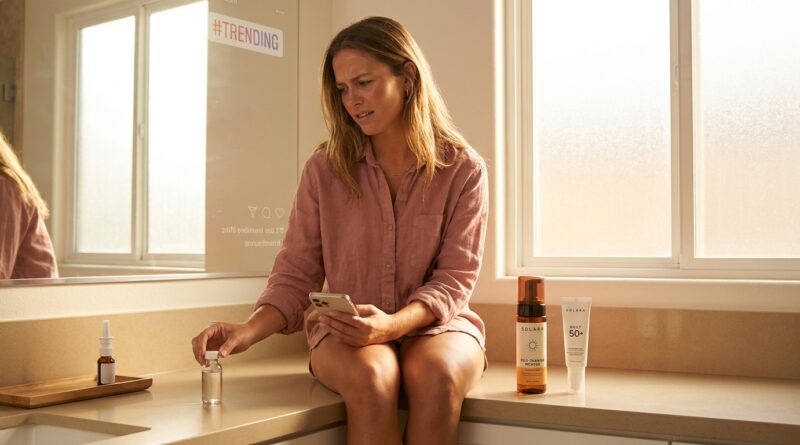
New ‘Barbie Drug Warning’ Rule: Why Melanotan Shots Are The Dark Side Of The Sunless Tan Trend
Your feed makes this trend look weirdly normal. One swipe and someone is calling Melanotan a “Barbie peptide.” Another says tanning nasal spray gave them a vacation glow in days. If that makes you uneasy, trust that instinct. This is not just another self-tan shortcut. These products are not the same as the sunless tanners you already know, and they are being sold with beauty language that hides some very real health questions. The big issue is simple. Melanotan shots and sprays are often unapproved, sometimes illegal, and not held to the same safety standards as regular cosmetic tanning products. That matters because plenty of people think they are buying a stronger version of fake tan, when they may actually be using a research chemical or hormone-like drug. If you want a deeper glow without gambling with your skin, wallet, or body, here’s the plain-English guide to melanotan barbie drug tanning safety.
⚡ In a Hurry? Key Takeaways
- Melanotan shots and tanning nasal sprays are not the same as approved self-tanners. They are often unapproved drugs or research peptides, not cosmetics.
- Check labels for DHA if you want a standard sunless tanner. Avoid products marketed as Melanotan, MT2, Barbie drug, peptide tan, or tanning spray that claims to work from inside your body.
- A safer glow comes from tested self-tanners, gradual lotions, bronzing drops, and SPF. A faster tan is not worth unknown long-term risks.
Why people are calling it the “Barbie drug”
The nickname is pure marketing. It sounds playful, glossy, and social-media friendly. That is exactly why it spreads so fast.
Melanotan products are usually sold as injections or nasal sprays that claim to darken your skin by affecting pigment in the body. That is very different from a regular self-tanner, which sits on the outer layer of skin and creates a temporary color change.
The trouble starts when sellers blur that line. They use beauty words like glow, bronze, tan accelerator, or peptide boost, so buyers assume this is just a more advanced cosmetic. It is not.
What Melanotan actually is, in plain English
Melanotan generally refers to lab-made compounds designed to mimic a hormone involved in pigment production. You may see names like Melanotan I, Melanotan II, MT1, or MT2.
That means these products are not working like mousse, lotion, or tanning water. They are marketed as substances that act inside the body.
And that is where the safety concerns get serious. Cosmetics and drugs are not regulated the same way. A bottle of self-tanner with familiar ingredients is one thing. A mystery vial or nasal spray from an online seller is another.
Why the “research use only” label is a giant red flag
If a tanning product says “research use only,” “not for human consumption,” or avoids giving clear ingredient details, back away.
That wording often tells you everything you need to know. It is a sign the seller may be trying to dodge normal consumer safety expectations while still hinting that people should use it on themselves.
Why health agencies and dermatologists are worried
The concern is not just that these products are trendy. It is that people may be injecting or inhaling substances with unclear quality, unclear dosing, and unclear long-term effects.
Reported concerns around Melanotan products have included nausea, flushing, appetite changes, changes in moles or freckles, and unpredictable skin darkening. There are also broader worries about contamination, fake formulations, and buying from sellers with no meaningful oversight.
That is why the current warnings matter so much. Social content makes it look like a beauty hack. Medical experts see something closer to an underground drug market dressed up as skincare.
Melanotan vs self-tanner. These are not in the same category
This is the split that gets lost online.
Approved-style sunless tanning products
Most standard self-tanners use DHA, short for dihydroxyacetone. DHA reacts with the top layer of dead skin cells to create a temporary tan look. It does not need to alter your hormones or work from inside your body.
That is why millions of people use self-tanning lotions, mousses, drops, and sprays as a safer alternative to UV tanning.
Melanotan products
Melanotan is sold as something that changes melanin production pathways. That puts it in a completely different risk lane from a cosmetic bronzing foam.
If you want a deeper breakdown on why this line matters, our guide to New ‘Peptide-Free Tan’ Rule: Why You Should Skip Illegal Tanning Shots And Stick To Real Skincare is worth a read.
How to spot these products online or on a label
The easiest way to protect yourself is to know the language.
Red-flag terms to watch for
Be cautious if you see:
Melanotan, Melanotan II, MT2, peptide tan, Barbie peptide, tanning injections, tan shots, bronzing nasal spray, melanocortin, research peptide, or “for research only.”
Claims that should make you pause
Watch for promises like:
“Works from within.” “No fake tan smell.” “Permanent-looking tan.” “No need for regular self-tanner.” “Doctor-strength glow.” “Deep tan after a few sprays or injections.”
Those phrases are often used to make an unapproved product sound more effective than a cosmetic, while glossing over the fact that it may carry much bigger risks.
What a normal self-tanner label usually looks like
A standard cosmetic self-tanner will usually clearly list ingredients, often including DHA, erythrulose, moisturizers, fragrance, and color guides. It should also come from a normal beauty retailer or known brand, not a Telegram channel, random DM seller, or “wellness” page with before-and-after photos but no proper company details.
Why this trend hooks even smart shoppers
Because it preys on a real frustration.
Self-tan can fade unevenly. It can cling to dry patches. It takes prep. So when someone online says, “I found the inside-out tan that fixes all of that,” it hits a nerve.
But convenience can make bad ideas look smart. The promise here is not just “get tan.” It is “skip the effort.” That is what makes the marketing effective.
The reality is that most beauty shortcuts that bypass normal product safety checks are not shortcuts at all. They are gambles.
What to do instead if you want a deeper glow
You do not need to choose between pale skin and questionable peptides. There are safer ways to get more color.
1. Switch to a gradual build routine
If your current tan never gets dark enough, try layering a gradual tanning lotion for a few days before using a mousse or foam. That often gives a richer, more even finish without going near injections or sprays.
2. Use bronzing drops strategically
Bronzing drops mixed into moisturizer can deepen color on the face, neck, and chest where people often want the most glow.
3. Prep better, not harder
Exfoliate gently. Moisturize dry areas the day before. Use less product on knees, ankles, elbows, and wrists. A lot of “my self-tan never looks right” problems are prep problems, not product problems.
4. Keep using SPF
A fake tan does not protect you from UV. If a seller hints that their product helps you tan in the sun “better,” that is not a free pass to roast your skin.
If you already bought one of these products
Do not panic. But do take it seriously.
If you have not used it, the safest move is not to start. If you have used it and noticed side effects or changes that worry you, contact a medical professional. If a mole or freckle has changed, get that checked promptly.
Also save screenshots, packaging, ingredient lists, and where you bought it. If a product turns out to be mislabeled or causes problems, those details matter.
At a Glance: Comparison
| Feature/Aspect | Details | Verdict |
|---|---|---|
| Standard self-tanner | Usually uses DHA on the outer layer of skin for temporary color. Sold as a cosmetic with normal ingredient labeling. | Safer, familiar option for a sunless glow. |
| Melanotan shots or nasal sprays | Marketed as peptides or hormone-like tanning products that work inside the body. Often unapproved, unclear quality, and sold through risky channels. | High caution. Best avoided. |
| Social media “Barbie tan” marketing | Uses cute names and before-and-after clips to make underground tanning products seem normal and low-risk. | Do not confuse hype with safety. |
Conclusion
The most important thing to remember is this. Sunless tanning already gave us a much safer lane than baking in UV, and that is exactly why this trend is so sneaky. Melanotan shots and sprays are being dressed up to look like the next step in beauty, when health agencies and skin experts are warning that they can be unapproved, illegal, and full of unknowns. If you stick with clearly labeled cosmetics, learn to spot red-flag terms, and skip anything sold as a peptide tan or Barbie drug, you protect more than your glow. You protect your skin, your hormones, and your money. Right now, calm facts beat viral hype every time.