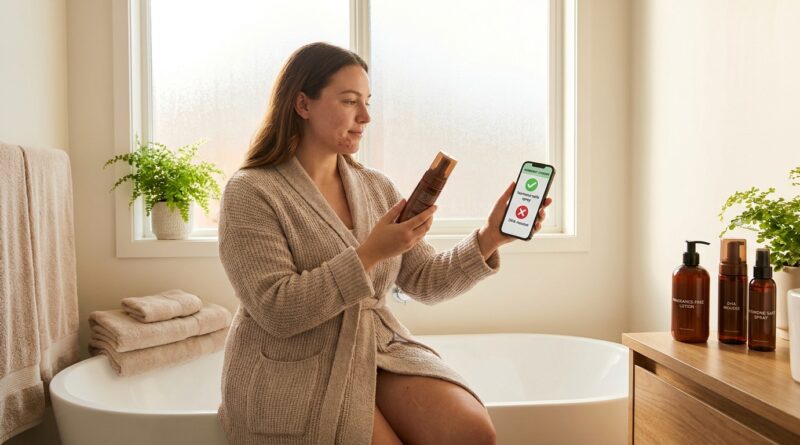
New ‘Hormone-Safe Tan’ Rule: How To Choose Self‑Tanners When You Have PCOS, Endo Or Autoimmune Issues
If you have PCOS, endometriosis, Hashimoto’s, or another autoimmune issue, it makes sense to side-eye every “clean glow” label on the shelf. A lot of people are already dealing with hormone swings, skin flare-ups, mystery rashes, migraines, or inflammation. The last thing they want is a self-tanner routine that adds one more thing to worry about. The tricky part is that the beauty world loves vague words like “non-toxic” and “natural,” which sound reassuring but do not tell you much. A smarter way to shop for a hormone safe self tanner is to look past the marketing and check a few boring but useful details. Start with the active ingredient, look at added fragrance and plant extracts, think about whether you are inhaling the product, and pay attention to how your own skin reacts. That framework matters a lot more than a pretty bottle or a trendy claim.
⚡ In a Hurry? Key Takeaways
- A hormone safe self tanner is usually less about one magic “safe” product and more about choosing simple formulas with fewer extras, especially fragrance, heavy botanicals, and irritating actives.
- If you have PCOS, endo, thyroid issues, or autoimmune flares, patch test first and favor lotions or mousses over spray tanning if inhalation or scent triggers you.
- DHA is the standard tanning active and is generally considered low risk on intact skin, but added ingredients and spray-booth exposure are often the bigger concern for sensitive bodies.
Why this question is getting bigger
More people are now reading ingredient lists with a lot more caution. That is not paranoia. It is lived experience.
When you already manage irregular cycles, painful inflammation, eczema, rosacea, histamine issues, or autoimmune flares, you notice quickly when a product makes things worse. Maybe a scented mousse leaves you itchy for two days. Maybe a spray tan gives you a headache. Maybe a “clean” formula is packed with essential oils that your skin hates.
That is why the rise in “autoimmune-friendly” and “hormone-safe” tanners has caught attention. The problem is that these terms are not regulated in any meaningful way. Brands can use them loosely. So you need a better filter than marketing.
First, what self-tanner actually does
Most self-tanners use DHA, short for dihydroxyacetone. It reacts with amino acids in the very top layer of dead skin cells to create that bronzed look. It is not the same as getting a UV tan from the sun or tanning bed.
That is the good news. Self-tanner does not work by changing your hormones, and DHA itself is not known as a hormone disruptor in the way people often fear from social media posts.
But that does not mean every formula is a great fit for every body. If you are looking for a hormone safe self tanner, the bigger issue is often the full formula around the DHA, plus how the product is used.
What to check if you have PCOS, endo, or autoimmune issues
1. Keep the formula simple
The shorter ingredient list is not always better, but it often helps. A basic self-tanner with DHA, moisturizers, stabilizers, and mild preservatives is usually easier to troubleshoot than one loaded with fragrance, fruit acids, shimmer, and “superfood” extracts.
If your body tends to react strongly, simplicity is your friend.
2. Fragrance is often the real troublemaker
For many sensitive users, fragrance matters more than the tanning active itself. “Fragrance” or “parfum” can be a mix of many undisclosed chemicals. Even natural fragrance blends and essential oils can trigger irritation, headaches, flushing, or dermatitis.
If you know your skin is reactive, start with fragrance-free or very low-scent options. This is especially useful for people with eczema, mast cell issues, migraines, or autoimmune-related skin sensitivity.
3. Watch the added actives
Some self-tanners now include exfoliating acids, retinol-like ingredients, firming caffeine blends, or lots of botanicals. Those extras may sound helpful, but they can make a product more irritating.
If your skin barrier is already touchy, skip formulas with:
- AHAs like glycolic or lactic acid in the same product
- Strong essential oils
- Menthol or cooling agents
- Heavy perfume blends
- Lots of “energizing” plant extracts if you have known sensitivities
4. Do not ignore preservatives, but do not panic about them either
People often fear preservatives because they sound chemical. But preservative-free water-based products can go bad fast, which is its own safety problem.
The goal is not “no preservatives.” The goal is a well-preserved product that does not trigger your skin. If you know you react to a specific preservative family, that is worth avoiding. Otherwise, broad scary claims are not very useful.
5. Spray tanning has a different risk than lotion or mousse
This part gets overlooked a lot. A lotion or mousse mainly sits on the skin. A spray tan can also be inhaled, especially in booths or poorly ventilated spaces.
If you have asthma, autoimmune lung issues, fragrance sensitivity, or just hate the feeling of breathing in beauty products, spray tanning may not be the best choice. Nasal filters, eye protection, lip balm, and good ventilation matter. So does asking what solution is actually being sprayed.
For many sensitive users, applying a mousse or lotion at home is the lower-stress option.
Is DHA the thing to fear most?
Probably not, at least for most people using it on intact skin as directed.
DHA has been used in self-tanners for a long time. The main concern experts often raise is not “it will scramble your hormones.” It is more practical than that. Avoid inhaling it. Avoid getting it in eyes or on broken skin. Be careful with spray applications.
If your skin barrier is damaged, all bets change a little. Cracked, inflamed, freshly shaved, over-exfoliated, or actively flaring skin is more likely to sting and react to almost anything. On those days, skipping the tan is often the smarter move.
How to shop for a hormone safe self tanner without getting lost
Here is a simple filter you can use in five minutes.
Green flags
- Clear ingredient list
- Fragrance-free or lightly scented
- No unnecessary added actives
- Lotion, gel, or mousse format if you want to avoid inhalation
- Brand gives real usage instructions and patch test advice
Yellow flags
- Big “clean” claims with very little detail
- Lots of essential oils or botanical blends
- Added exfoliating acids in a leave-on tanning formula
- Very strong tropical scent meant to cover the DHA smell
Red flags
- No ingredient list available before purchase
- Spray use with no guidance on ventilation or inhalation
- Claims that the product “balances hormones” or makes medical promises
- Using the product on broken, irritated, or recently treated skin
Patch testing matters more for this group
If you have PCOS, endo, thyroid disease, lupus, psoriasis, eczema, rosacea, or a long history of reacting to random products, patch testing is not optional. It saves a lot of grief.
Apply a small amount to the inner arm or outer thigh. Wait at least 24 hours, ideally 48. Check for itching, rash, hives, burning, unusual dryness, or delayed redness.
Also pay attention to whole-body symptoms. A product can technically “look fine” on your skin but still trigger a headache or nausea if the scent is too much.
What “hormone-safe” should really mean in real life
It should not mean perfect. It should mean thoughtful.
A hormone safe self tanner is one that avoids known triggers when possible, does not overload the skin with extras, and fits your actual health situation. For one person, that might mean a fragrance-free gradual tan lotion. For another, it means skipping spray booths and using a rinse-off bronzing product for events.
It also means being honest about uncertainty. No beauty product comes with a guarantee that every person with PCOS or autoimmune disease will tolerate it. Bodies are messy. Reactions are personal.
If you tan regularly, audit the whole routine
Sometimes the self-tanner gets blamed for irritation that is really coming from the prep or removal routine.
Ask yourself:
- Are you over-exfoliating before each application?
- Are you shaving and tanning on the same day?
- Are you using strong body scrubs, acids, or retinoids underneath?
- Are you applying to skin that is already dry or inflamed?
- Are you sleeping in a heavily scented formula that makes you itchy all night?
For sensitive users, a gentler routine often fixes half the problem.
When to talk to a dermatologist or allergist
Do not try to power through if you keep reacting. Get help if you have repeated rashes, facial swelling, wheezing, severe itching, or any pattern that feels bigger than simple dryness.
A dermatologist can help you spot likely irritants. An allergist may help if you suspect fragrance allergy or contact dermatitis. This is especially useful if you have autoimmune disease and your skin behaves unpredictably.
If your teen is also getting into self-tanners and bronzing drops, it is worth reading New ‘Teens And Tanning Drops’ Safety Rule: How To Protect Gen Z Skin From TikTok’s Fake-Glow Obsession, because younger users often pile on products without understanding irritation risk.
Best practical choice for most sensitive users
If you want the safest middle ground, this is usually it:
- Choose a simple lotion or mousse
- Go fragrance-free if possible
- Avoid bonus actives
- Patch test first
- Skip use during active skin flares
- Be cautious with sprays and booths
That may not sound exciting. But boring is often good when your skin and hormones already keep life interesting enough.
At a Glance: Comparison
| Feature/Aspect | Details | Verdict |
|---|---|---|
| DHA as the tanning active | Standard ingredient in self-tanners. Generally lower concern on intact skin than many people assume. Bigger issue is avoiding inhalation and use on broken skin. | Usually acceptable with normal precautions |
| Fragrance and added botanicals | Often the most common source of irritation, headaches, flushing, or dermatitis in sensitive users. | Best to minimize if you have PCOS, endo, or autoimmune-related sensitivity |
| Spray booths and spray tans | Can increase inhalation exposure and may be harder for people with asthma, scent sensitivity, or immune-related respiratory issues. | Use more caution, or pick mousse/lotion instead |
Conclusion
You do not need to give up the confidence boost of a tan just because your body is more sensitive than average. You do need a better filter than pretty packaging and vague “clean beauty” claims. Right now, there is a real spike in products marketed as hormone-safe and autoimmune-friendly, but most of the noise is still product hype. The useful part is learning how to vet formulas yourself. If you understand DHA, added actives, fragrance, preservatives, and spray-booth inhalation risk, you can make calmer, smarter choices. That is the sweet spot. A glow you enjoy, without spending the whole week wondering what it is doing to your already stressed system.