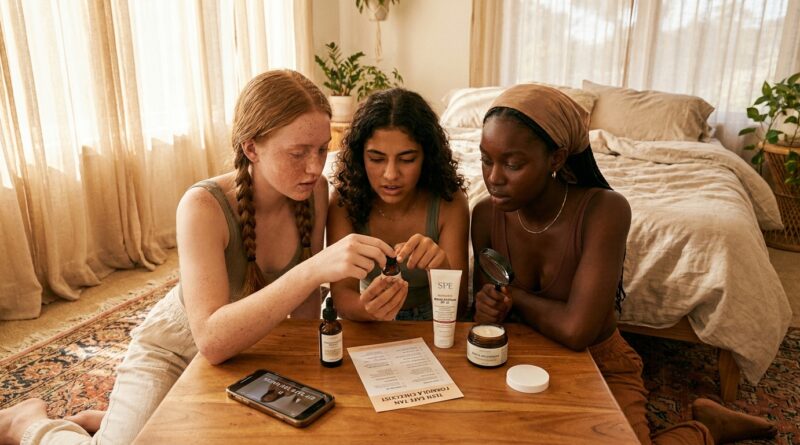
New ‘Teens And Tanning Drops’ Safety Rule: How To Protect Gen Z Skin From TikTok’s Fake-Glow Obsession
If you live with a teen, you have probably seen the lineup on the bathroom counter. Bronzing drops. Self tanner mousse. “Glow” serums. Maybe an exfoliating acid tossed in for good measure because someone on TikTok said it makes the tan “hit harder.” It is a lot. And if you are quietly wondering whether any of this is safe for younger skin, you are not overreacting. Teen skin can be oilier, more reactive, and easier to irritate when too many trendy products get mixed together.
The good news is this. A safe self tanner routine for teens does exist, and it does not have to be complicated or joyless. The basic rule is simple. Skip anything that stings, peels, burns, or promises an extreme result fast. Start with gentle prep, use a well-known sunless tanner from a trusted seller, avoid layering strong actives, and remember that fake glow is not sun protection. Teens can enjoy the fun part of looking bronzed without wrecking their skin barrier. Parents and older siblings can help by keeping the routine boring in the best possible way. Simple products. Patch tests. Sunscreen every day. That is the real glow-up.
⚡ In a Hurry? Key Takeaways
- A safe self tanner routine for teens means gentle products, patch testing, and no mixing with harsh exfoliants or acne actives.
- Choose one simple self tanner, moisturize dry spots first, and use sunscreen because a fake tan does not block UV damage.
- The biggest risks are irritation, allergic reactions, sketchy online products, and the false idea that “glow” equals skin health.
Why this new teen tanning conversation matters
Teen self tanning used to mean a bottle of lotion before a dance or vacation. Now it is a whole content category. “Get ready with me” videos can make a dozen products look normal. But younger skin is still learning how to handle hormones, breakouts, sports sweat, shaving, and sun exposure. Piling on extra actives just for a deeper bronze can push it over the edge.
That is why the new safety rule should be easy to remember. If a tanning routine looks like a chemistry project, it is probably too much for a teen.
What a safe self tanner routine for teens actually looks like
1. Keep the routine short
The safest routine is usually three to five steps, not twelve. Think gentle cleanser, light moisturizer, self tanner, then sunscreen the next day if skin will be exposed.
2. Patch test first
Before putting any tanner on the face or body, test a small area for 24 hours. Use the inner arm or a spot near the jawline. If there is itching, redness, bumps, or burning, stop there.
3. Pick one tanning product, not a cocktail
This is where many teens get into trouble. They mix bronzing drops into moisturizer, then add glow serum, then top it with body tanner. More product does not always mean a better result. It often means streaks, clogged pores, or angry skin.
4. Prep gently
If skin is flaky, use a soft washcloth or mild exfoliating cleanser the day before. Skip rough scrubs. Skip high-strength acids. Freshly shaved or freshly exfoliated skin is more likely to sting.
5. Moisturize dry areas first
Elbows, knees, ankles, and around the nose grab extra color. A small amount of plain moisturizer helps the tan go on more evenly.
6. Sunscreen is still non-negotiable
This is the part teens need repeated often. Self tanner changes the look of the top layer of skin. It does not protect against UV rays. If a bronzed look makes someone spend more time in the sun, the risk goes up, not down.
Ingredients and habits teens should be careful with
Strong acids and peels
Glycolic acid, salicylic acid, retinoids, and peeling pads can be helpful in the right routine. But layering them right before or after self tanner can lead to irritation and patchy results. This is especially true on the face.
Fragranced “glow” serums
If a product smells heavily perfumed or gives a tingly sensation, that is not automatically a good sign. Fragrance can be irritating, especially when several scented products are used together.
Unknown “instant bronze” drops from random sellers
This is a big one. Teens can buy almost anything in two taps now. If a product has vague labeling, no clear ingredient list, or reviews that look suspiciously perfect, skip it. Skin is not the place to gamble on mystery formulas.
Nasal sprays, pills, or injectable tanning products
These are not in the same category as regular sunless tanner. They can come with serious safety concerns and should not be part of any teen beauty routine.
Face tanning for teens needs extra caution
The face is where many trends go wrong because teens are also managing acne, sensitivity, and makeup. If a teen wants a little color on the face, the safest move is usually a small amount of facial self tanner used only once or twice a week, or bronzing makeup that washes off.
If they are already using acne treatments, less is more. Benzoyl peroxide, adapalene, tretinoin, and exfoliating acids can all make skin more reactive. Adding facial tanning drops on top may not be dangerous for everyone, but it can be a mess for some. Irritation, uneven fading, and breakouts are common enough to make caution worth it.
For parents and older siblings, here is the calm way to help
Do not lead with “that trend is stupid.” It rarely works. Start with curiosity. Ask what they are using and why they like it. Then help them check three things. Is the seller legit. Is the ingredient list clear. Does the routine seem gentle enough for everyday skin.
You can also offer a simple trade. If they want a glow, help them find one decent tanner and one decent sunscreen instead of five random products. That feels less like a ban and more like backup.
What about DHA and ingredient worries?
Most self tanners use DHA, which colors the outer layer of skin. For healthy users, standard topical use is generally treated very differently from UV tanning, which is tied to clear long-term skin damage. The bigger everyday issue for teens is not usually DHA itself. It is overuse, inhaling spray mist, using products on broken skin, or buying formulas from questionable sources.
If your family is already reading labels closely for other reasons, our guide on New ‘Pregnancy-Safe Glow’ Rule: What Today’s Sunless Tanner Science Really Says About Bumps, Babies And DHA gives a useful plain-English look at how sunless tanning ingredients are usually discussed from a safety angle.
Red flags that mean stop using the product
Tell teens to stop right away if they notice:
- Burning or stinging that does not fade quickly
- Swelling, hives, or intense itching
- Rash around the eyes or mouth
- Breakouts that flare fast after use
- Wheezing or coughing from spray products
If the reaction is strong or keeps getting worse, check in with a doctor or dermatologist.
The easiest teen-safe tanning routine to follow
Here is the version most families can live with:
- Cleanse with a gentle, non-scrubby wash.
- Moisturize dry spots.
- Apply one trusted self tanner as directed.
- Wash hands well after.
- Wait before adding makeup or other active skincare.
- Use sunscreen the next day.
That is enough. It really is.
At a Glance: Comparison
| Feature/Aspect | Details | Verdict |
|---|---|---|
| Simple self tanner routine | Gentle cleanse, light moisturizer, one trusted tanner, sunscreen later | Best choice for most teens |
| Mixing tanner with acids or retinoids | Can irritate skin, worsen breakouts, and cause uneven fading | Usually avoid |
| Cheap mystery glow drops online | Unclear ingredients, weak quality control, harder to trust | Not worth the risk |
Conclusion
TikTok will keep pushing faster, darker, shinier tanning hacks. That part is not slowing down. What can change is how teens and the adults around them respond. A safe self tanner routine for teens should feel boring enough to be safe and good enough to still feel fun. Stick to trusted products, skip the harsh mix-and-match experiments, and treat sunscreen like part of the deal, not an afterthought. That way Gen Z can enjoy the fake glow without paying for it with irritation, risky ingredients, or real sun damage. That is the lane we should all be in now. Teen self tanning is not just another beauty fad. It is a skin health issue, and it deserves calm, clear advice.