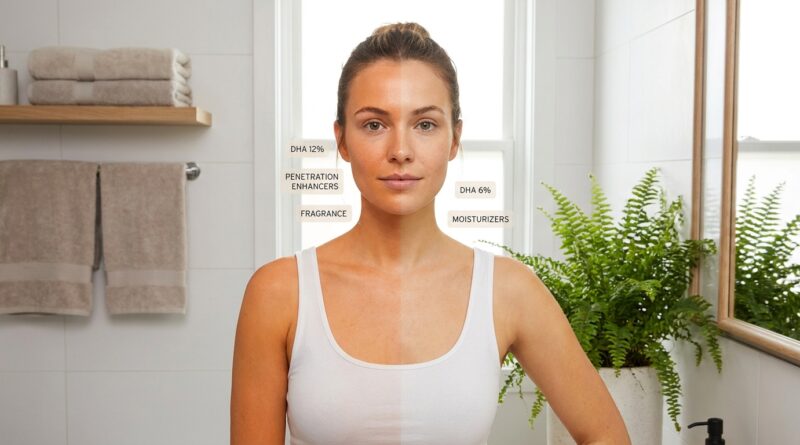
New ‘Express-Tan Safety’ Rule: What 1-Hour Self-Tanners Are Really Doing To Your Skin In 2026
If your “quick tan” left you itchy, streaky, or oddly orange by day three, you are not imagining it. Express and 1-hour self-tanners can be convenient, but they often hit the skin harder than standard formulas. The short version is simple. They usually work faster by using higher DHA levels, more aggressive delivery ingredients, or extra fragrance to cover that classic tanning smell. That mix can be rough on a skin barrier that is already dry, over-exfoliated, freshly shaved, or irritated from actives like retinol and acids. So, are express 1 hour self tanners safe? Usually, yes for many people when used carefully. But “safe” does not mean “gentle,” and it definitely does not mean “risk-free.” The new common-sense rule is this. Fast tan, slow prep. If you want the glow without the rash cycle, your skin and lungs need a little more protection than the marketing suggests.
⚡ In a Hurry? Key Takeaways
- Express 1-hour self-tanners are generally safe for most healthy skin, but they are more likely than standard formulas to cause irritation, patchiness, and over-dark results if your skin barrier is stressed.
- Patch test first, avoid applying right after shaving or exfoliating, and do not use spray or mousse products where you might breathe them in.
- The biggest problems are not usually “toxicity.” They are barrier damage, fragrance irritation, and poor application habits that turn a fast glow into a week of itchy regret.
So, what is the new “Express-Tan Safety” rule?
Think of it as a simple update to how you use fast-developing tanners in 2026.
If a product promises a deep color in 10 minutes, 1 hour, or “rinse when ready,” treat it like a stronger formula, not just a quicker one. That means more caution before, during, and after use.
The old mindset was, “It is just self-tanner.” The better mindset now is, “It is self-tanner plus speed boosters, and speed can irritate skin.”
Are express 1 hour self tanners safe?
For most people, yes, they can be safe when used as directed. But there is a catch. A lot of people use them on skin that is not in great shape to begin with.
That is where things go sideways.
Self-tanners work mainly through DHA, short for dihydroxyacetone. It reacts with amino acids in the top layer of dead skin cells to create that bronzed look. Express formulas often try to get that reaction moving faster or stronger. That does not automatically make them dangerous. It does make them less forgiving.
If your skin barrier is calm, hydrated, and intact, you may do just fine. If your skin is angry from scrubs, peels, acne treatments, shaving, waxing, or sunburn, a fast tan can sting, cling, and fade in ugly patches.
What makes express formulas tougher on skin?
1. Higher DHA percentages
Many express products aim for a darker result in less time. One way brands do that is by using more DHA. More DHA can mean a stronger smell, more dryness, and a bigger chance of that telltale orange cast if the formula does not match your skin tone well.
2. Penetration helpers
Some formulas use solvents or delivery ingredients that help the tanning actives spread and set faster. That can be useful. It can also be a problem for sensitive skin, especially if your barrier is already worn down.
3. Heavy fragrance
Brands know people hate the “fake tan smell,” so they often load fast formulas with fragrance to cover it. Fragrance is a very common trigger for irritation. If your skin gets red or itchy from scented body care, this matters.
4. User error
This one is huge. People rush. They apply right after showering, shaving, exfoliating, or using glycolic acid pads. Then they wonder why their tan grabs onto ankles, burns around the neck, or turns blotchy on the chest.
Why the rash and itch happen
Most of the time, it is not because the tan “burned” your skin in a dramatic way. It is a more boring but very real problem. Your skin barrier gets irritated.
The top layer of your skin is supposed to hold water in and keep irritants out. When that barrier is disrupted, you are more likely to feel stinging, tightness, dryness, and itch. Add friction from clothes, sweat, and a fragranced express formula, and you have the perfect setup for a miserable night before an event.
If you are stuck in that cycle often, it is worth learning how labels hide the stuff that matters. New ‘Scan-Your-Tan’ Rule: How To Read Sunless Tanning Labels So Your Skin (And Lungs) Stay Safe is a helpful guide if you want to spot red flags before you buy.
The orange problem is often a timing problem
When people say a 1-hour tan made them orange, the product is not always fully to blame.
Sometimes they left it on too long. Sometimes they layered another coat because the cosmetic guide color looked light. Sometimes the skin was so dry that the DHA grabbed unevenly and developed darker in rough spots.
Express formulas can be less flexible. A standard overnight tan gives you a wider margin for error. A fast tan is more like hair dye processing time. You need to pay attention.
Who should be extra careful?
You should slow down with express tanners if you have:
- eczema, psoriasis, or rosacea
- recent shaving, waxing, or laser hair removal
- sunburn or windburn
- recent use of retinoids, benzoyl peroxide, AHAs, or BHAs
- a history of fragrance sensitivity
- very dry skin or a damaged skin barrier
That does not mean “never use them.” It means you are a bad candidate for a rushed same-day experiment.
What about breathing it in?
This is the part that gets ignored way too often.
Lotions and creams are easier to control. Sprays, mists, and airy mousses can create particles you breathe in, especially in small bathrooms with no ventilation. DHA is meant for the outer skin, not your lungs.
If you are using a spray tan booth or a fine mist at home, protect your nose, mouth, and eyes as much as possible. Good airflow matters. Holding your breath for a few seconds is not a real safety plan.
For many people, the safest home option is still a lotion or cream applied with a mitt.
How to use an express tan without wrecking your skin barrier
Patch test like you mean it
Try a small area 24 hours before full application. The inner arm or side of the torso works well. You are checking for itching, redness, stinging, and weird color development.
Do not apply on freshly attacked skin
Skip same-day shaving, harsh exfoliation, peel pads, retinol, and body acne treatments. Give your skin a breather.
Moisturize the day before, not five seconds before
Well-hydrated skin tans more evenly. But slathering thick lotion on right before tanning can create patchy development. Moisturize regularly, then use only a tiny amount on dry zones like knees, elbows, ankles, and knuckles right before application.
Use less than you think
Fast tans are easy to overdo. Start with one light, even coat. You can deepen color later. Fixing too-dark orange hands is much harder.
Watch the rinse window
If the brand says rinse after 1 hour for light, 2 hours for medium, and 3 hours for dark, follow that. Do not guess. Set a timer.
Wear loose clothes
Tight leggings, bras, and waistbands can rub developing tanner into streaks. Dark, loose clothing is your friend.
Keep actives off your body for a day or two
Acid lotions and retinol body creams can fade the tan in patches and make irritation worse.
Best practice for a last-minute event
If you need color for tomorrow, do not choose the strongest formula and hope for magic.
Choose a lighter express tan from a brand you have already used. Do your prep the night before. Apply on calm skin. Rinse on time. Moisturize after the first rinse once your skin is dry and settled.
The safest express tan is usually the one that asks a little less of your skin, not the one that promises “deep bronze in 10 minutes.”
Signs you should stop using that product
Wash it off and stop if you get:
- burning that keeps building
- hives or raised bumps
- widespread itching
- swelling
- rash that lasts more than a day or two
- cracked, very dry, painful skin
If symptoms are severe or you have trouble breathing, get medical help right away.
At a Glance: Comparison
| Feature/Aspect | Details | Verdict |
|---|---|---|
| Standard self-tanner | Usually slower developing, often more forgiving on timing and application, lower chance of over-processing the color in a short window. | Better choice for sensitive skin or beginners. |
| Express or 1-hour self-tanner | Faster results, but often stronger formulas with higher DHA, more fragrance, or faster-delivery ingredients that can irritate compromised skin. | Convenient, but use carefully and follow timing exactly. |
| Spray or mist express tan | Quick coverage and easy blending, but added risk of inhalation if used in a small room or without good ventilation. | Least ideal if lung exposure is a concern. Creams and lotions are safer to control. |
Conclusion
Express and 1-hour self-tanners are not automatically bad. They are just less forgiving than the fun TikTok demos make them look. That is why safety conversations matter more right now, not less. These formulas often combine higher DHA percentages, penetration boosters, and fragrance-heavy blends with skin that is already over-treated, dry, or rushed. That is when people end up itchy, patchy, sensitized, or breathing in mist they never meant to inhale. The good news is that you do not have to give up the last-minute glow. You just need a better system. Patch test. Respect timing. Keep the product off damaged skin. Avoid inhaling sprays. Read labels instead of trusting hype. Do that, and you can still get ready for the party, wedding, or vacation without gambling with long-term irritation or a miserable fake-tan rebound.