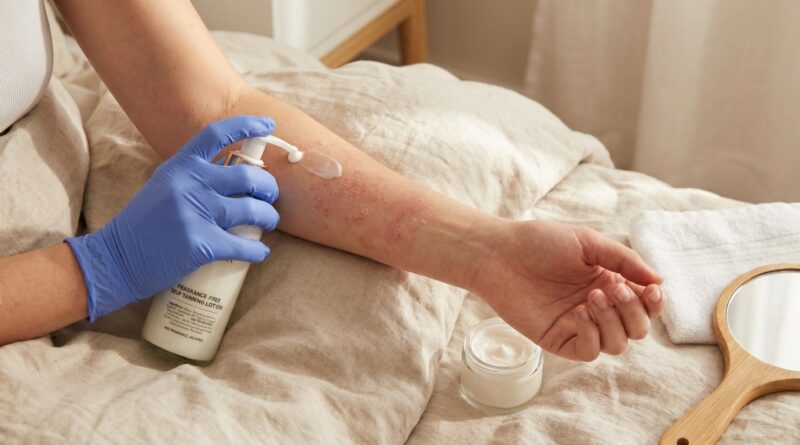
New ‘Eczema-Safe Tan’ Rule: How To Self‑Tan Reactive Skin Without Triggering A Flare
If your skin burns, itches, or breaks out every time you try to fake a little glow, that is not you being “too sensitive.” It is usually your skin telling you the formula is wrong for you. People with eczema, dermatitis, and allergy-prone skin often react to fragrance, essential oils, guide color, preservatives, or even the base ingredients in so-called gentle tanners. That makes shopping for an eczema safe self tanner feel frustrating fast. The good news is you do not need to guess. You need a filter. Start by avoiding active flares, patch test every new product, and treat “dermatologist tested” as a nice extra, not proof it is safe for your skin. The goal is simple. Pick the plainest formula your skin can tolerate, prep carefully, and know when to skip tanning altogether. A comfortable glow is possible, but only if skin safety comes first.
⚡ In a Hurry? Key Takeaways
- An eczema safe self tanner is usually fragrance-free, simple, and tested slowly with a patch test before full-body use.
- Do not self-tan over an active flare, cracked skin, or skin that stings after showering or moisturizing.
- “Sensitive” on the bottle is marketing, not a medical guarantee. The ingredient list matters more than the front label.
The new rule for reactive skin
The old tanning advice was mostly about shade, streaks, and drying time. That is not enough if your skin barrier is already touchy.
The new rule is this. If your skin is reactive, barrier health comes before color payoff. A self-tanner can be beautifully even and still be a bad idea for eczema-prone skin if it leaves you hot, itchy, tight, or rashy for the next two days.
Think of self-tanner like hair dye for your body. You would not slap it onto broken, inflamed skin and hope for the best. Same logic here.
What usually triggers eczema-prone skin in self-tanners
Fragrance
This is the big one. Added fragrance is one of the most common irritants for sensitive skin. That includes “natural fragrance,” parfum, and strong essential oils.
Guide color and bronzers
The instant tint that helps you see where you applied the product can be useful, but it can also come with extra dyes and pigment ingredients that some reactive skins dislike.
Preservatives and botanicals
Not every preservative is bad. Products need them. But long ingredient lists packed with flower extracts, fruit acids, and trendy plant actives can raise the risk of irritation if your skin is already unpredictable.
Alcohol-heavy or heavily foaming bases
Some mousses dry quickly because they contain more alcohol or lightweight solvents. That can feel elegant on normal skin and awful on skin with a weak barrier.
Exfoliating add-ons
If a tanner also promises smoothing, resurfacing, or brightening, pause. Extra acids and actives may be too much for reactive skin.
If your skin often feels tight or stingy after tanning, you may also want to read New ‘Microbiome-Safe Glow’ Rule: How To Pick Self‑Tanners That Don’t Wreck Your Skin’s Good Bacteria, because barrier disruption and microbiome stress often show up together.
What labels are actually worth trusting
Here is the annoying truth. Many labels sound reassuring without telling you much.
More helpful labels
- Fragrance-free
- For sensitive skin
- Minimal ingredient list
- No essential oils
- Dye-free or no guide color, if your skin reacts to bronzers
Labels to treat with caution
- Dermatologist tested
- Clean
- Natural
- Non-toxic
- Hypoallergenic
Those terms are not useless, but they are not a free pass. Two products can both say “sensitive skin” and have very different ingredient lists.
A simple decision tree before you buy
Use this quick filter.
Step 1: Is your eczema calm right now?
If no, skip tanning. Wait until the flare is settled. Applying tanner over inflamed or broken skin raises the chance of stinging, patchy uptake, and a longer flare.
Step 2: Does the product contain fragrance or essential oils?
If yes, it is probably not your best first pick.
Step 3: Is it a mousse with a long list of extracts and bronzers?
If yes, be extra careful. A simpler lotion, serum, or tanning drops mixed into a moisturizer you already tolerate may be easier on your skin.
Step 4: Can you patch test it for several days?
If no, do not use it before an event. Reactive skin likes slow introductions, not last-minute experiments.
Best textures for an eczema safe self tanner
Usually easier to tolerate
Unscented gradual tanning lotions and fragrance-free drops mixed into your usual bland moisturizer are often the safest place to start. Why? You control the amount, and the base tends to be more cushiony and less stripping.
Often trickier
Mousses, sprays, and fast-dry foams can work for some people, but they are more likely to contain solvents, bronzers, and perfume to improve the user experience. Your skin may disagree.
Body makeup as a backup plan
If every self-tanner causes trouble, wash-off body makeup or tint drops can be the better answer for special occasions. No overnight development. No long contact time. Less risk of a multi-day flare.
How to prep reactive skin without making it angrier
Prep is where a lot of people accidentally create the problem.
What to do
- Take a lukewarm shower, not a hot one.
- Use a gentle, fragrance-free cleanser.
- Pat skin dry. Do not rub hard.
- Moisturize regularly in the days before tanning so dry patches are calmer.
- Apply a thin layer of your plain moisturizer to extra-dry spots like ankles, elbows, knees, and hands right before tanning.
What not to do
- Do not scrub aggressively.
- Do not shave over irritated skin right before tanning if shaving usually makes you sting.
- Do not use exfoliating acids, retinoids, or rough mitts on active eczema areas.
How to patch test the right way
A real patch test is boring. That is why it works.
- Pick a small area such as the outer forearm or side of the leg.
- Apply the product exactly as you plan to use it.
- Leave it on and monitor for 24 to 72 hours.
- Watch for itching, burning, redness, bumps, heat, or delayed dryness.
- If all is calm, test a slightly larger area before doing your whole body.
Do not judge the test only by what happens in the first hour. Reactive skin can complain later.
When to skip tanning entirely
Sometimes the safest routine is no routine.
- You have an active eczema flare.
- Your skin is cracked, weeping, or infected.
- Your moisturizer is stinging, which means your barrier is already upset.
- You recently started a new prescription cream and do not know how your skin is settling.
- You are trying a product right before a wedding, trip, or big event with no test window.
That is not failure. It is good skin judgment.
If you still want color, try the lowest-risk routine
Here is the calmest path for most people with eczema-prone skin.
- Wait until skin is stable for several days.
- Choose a fragrance-free gradual tanner or unscented tanning drops.
- Patch test over 2 to 3 days.
- Moisturize dry areas first.
- Apply a light layer, not a heavy one.
- Rinse hands well.
- Do not stack with acids, body retinol, or harsh exfoliation that week.
Slow and light usually beats dark and dramatic when your skin is reactive.
What to do if a product starts stinging
Stop. Rinse it off if possible. Use your plain, fragrance-free moisturizer. If you have a doctor-approved eczema treatment, follow that plan. If the reaction is severe, widespread, or involves swelling, get medical advice quickly.
And yes, throw out the idea that you should “push through” because the color might look nice tomorrow. Not worth it.
At a Glance: Comparison
| Feature/Aspect | Details | Verdict |
|---|---|---|
| Formula type | Fragrance-free gradual lotion or tanning drops mixed with a tolerated moisturizer | Best starting point for reactive skin |
| High-risk extras | Fragrance, essential oils, heavy guide color, exfoliating acids, alcohol-heavy fast-dry bases | Avoid if your skin flares easily |
| Timing | Only tan when eczema is calm and after a 24 to 72 hour patch test | Most important safety step |
Conclusion
The flood of new “gentle” self-tanners can make it sound like there is an easy fix for everyone, but reactive skin does not care about clever packaging. It cares about ingredients, timing, and barrier health. If you use a clear decision tree, check labels carefully, avoid common triggers, prep gently, and skip tanning during flares, you can cut down the guesswork a lot. That means fewer painful reactions, less wasted money, and a much better chance of finding an eczema safe self tanner that feels as good as it looks. The goal is not chasing every new launch. It is building a tanning routine that respects your skin and keeps the glow comfortable.