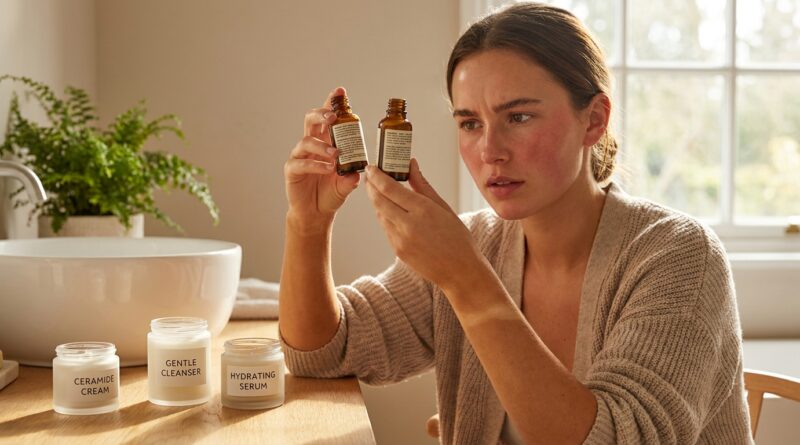
New ‘DHA-Sensitive Skin’ Rule: How To Pick A Sunless Tanner That Won’t Wreck Your Barrier In 2026
If self tanner keeps leaving you with burning cheeks, itchy patches or legs that feel like cardboard by day three, you are not imagining it. A lot of “glow” products are still packed with fragrance, drying alcohols and extra actives that can push already stressed skin over the edge. That is a bad mix if you use retinoids, acne treatments, exfoliating acids, melasma products, or if you deal with eczema in the first place. The good news is that the best self tanner for sensitive skin 2026 is usually not the darkest or trendiest one. It is the boring-looking formula with fewer irritants, steady hydration and a lower chance of causing a rash. Think less “tropical scent and instant bronze drama,” more “plain label, careful patch test, and skin barrier first.” Once you know what to scan for on the ingredient list, picking a safer bottle gets much easier.
⚡ In a Hurry? Key Takeaways
- The best self tanner for sensitive skin 2026 is usually fragrance-free, alcohol-light, simple in ingredients, and heavy on barrier-supporting hydrators.
- Patch test for 2 to 3 days, pause strong actives around tanning night, and put self tanner on fully dry, calm skin.
- Sensitive skin problems are often caused by the whole formula, not DHA alone, so check for perfume, essential oils, exfoliating acids, and harsh preservatives too.
Why sensitive skin is struggling with sunless tanner right now
More people are quitting tanning beds and long sun sessions. That part is smart. But many are swapping UV damage for another headache. They are layering sunless tanner onto skin that is already irritated by over-exfoliation, prescription acne meds, retinoids, or pigment-correcting routines.
DHA, the main ingredient in most self tanners, is not automatically the villain. It reacts with the top layer of dead skin to create that temporary tan look. The issue is that many formulas do not stop there. They add perfume, botanical extracts, color guides, preservatives, shimmer, and sometimes extra exfoliating ingredients. On strong skin, that may be fine. On reactive skin, it can be chaos.
That is why finding the best self tanner for sensitive skin 2026 means looking at the full formula, not just the front of the bottle.
What the new “DHA-sensitive skin” rule really means in practice
This is less about a single law stamped on every bottle and more about how smart shoppers and skin pros are reading sunless formulas in 2026. The new rule of thumb is simple. Do not judge a self tanner by the tan claim alone. Judge it by how much work your skin barrier has to do to survive it.
If your skin is reactive, your checklist changes:
Look beyond the word “sensitive”
That word on packaging is not a promise. A bottle can say “gentle” and still contain heavy fragrance or drying solvents. Flip it over.
Respect your barrier status
If your skin stings when you apply moisturizer, you should not be tanning that night. Self tanner works best on calm skin anyway.
Keep the formula boring
Boring is good here. Fewer extras usually means fewer surprises.
Ingredients that tend to be safer for touchy skin
When people ask for the best self tanner for sensitive skin 2026, these are the kinds of ingredients I would rather see:
Simple DHA base
DHA itself is expected. Some formulas also use erythrulose for a slower, often more even fade. That can be helpful if your skin gets patchy.
Barrier-supporting hydrators
Look for glycerin, hyaluronic acid, panthenol, aloe, squalane, ceramides, and colloidal oatmeal. These do not guarantee zero irritation, but they can reduce the dry, tight feeling that some tanners trigger.
Fragrance-free formulas
This matters a lot. “Unscented” can still mean masking fragrance was added. “Fragrance-free” is the better sign.
Creams, lotions, or milks over very drying sprays
If your skin is dry or eczema-prone, a lotion or cream often lands better than a fast-drying mist loaded with alcohol.
Ingredients that often cause the trouble
If your face or body freaks out after tanning, these are the usual suspects:
Fragrance and parfum
This is one of the biggest triggers for redness, itching, and mystery bumps.
Essential oils
Lavender, citrus oils, peppermint, eucalyptus. They sound natural. Sensitive skin does not care. They can still irritate.
Drying alcohols high on the list
Alcohol denat. and similar solvents can make mousse formulas feel light and quick-drying, but they may leave the skin tight and flaky.
Extra acids or exfoliating add-ons
Some “glow boosting” formulas sneak in glycolic, lactic, salicylic acid, or fruit enzymes. That can be too much if you are already using actives.
Heavy color guides and bronzers
These are not always harmful, but they can complicate things if you are trying to figure out what exactly caused a reaction.
How to shop smarter in 2026
Here is the practical filter I would use before buying any bottle.
1. Pick the format based on your skin, not hype
Mousses are popular because they dry fast. That does not make them ideal for fragile skin. If you run dry, reactive, or eczema-prone, start with a lotion, cream, serum, or gradual tanner.
2. Choose gradual over ultra-dark
The deeper the result you chase in one go, the more product you may apply, and the more likely you are to stress your skin. Gradual formulas give you room to stop early if your skin starts complaining.
3. Short ingredient list wins
If two products promise the same shade, the one with fewer extras is often the safer bet.
4. Watch where the fragrance sits
If parfum is high on the ingredient list, put it back.
5. Think about your current routine
If you are using tretinoin, benzoyl peroxide, AHAs, BHAs, azelaic acid, or hydroquinone, your skin may need a “quiet” window before and after tanning.
If pregnancy is part of your decision-making too, this guide may help: New ‘Pregnancy-Safe Sunless Glow’ Rule: What 2026’s DHA Guidance Really Means For Your Tan.
Patch testing. Yes, really.
Most people skip this because they have used self tanner before. But formulas change, and your skin changes too.
Do it this way
Apply a small amount behind the ear, along the jawline, or on the inner arm. Wait 24 hours. If all looks calm, apply again to the same spot and wait another 24 hours. That second exposure matters because some irritation shows up late.
What counts as a fail
Stinging that keeps going, redness that spreads, tiny itchy bumps, warmth, swelling, or flaky rash. Wash it off and move on.
How to self tan without wrecking your barrier
The best self tanner for sensitive skin 2026 can still go wrong if the prep is too aggressive.
Skip harsh scrubs
You do not need to sand your body down. Use a soft washcloth or very gentle exfoliation only if your skin tolerates it. If your barrier is damaged, skip exfoliation that week.
Pause strong actives
For many people, it helps to pause retinoids, benzoyl peroxide, and exfoliating acids on the day before, day of, and day after tanning, especially on the face and neck.
Moisturize the dry zones, not the whole body like frosting
Put a light barrier cream on elbows, knees, ankles, and around nostrils if you tan your face. That prevents over-grabbing. But do not coat everything in thick cream right before application, or the tan may go uneven.
Apply to dry, calm skin
No shaving rash. No fresh acid peel. No hot shower immediately before if that leaves you red.
Rinse when directed, then moisturize consistently
A bland moisturizer helps the tan fade more evenly and lowers that rough, lizard-skin finish people blame on DHA alone.
Best formula types for different sensitive skin problems
For eczema-prone skin
Try fragrance-free lotion or cream formulas with glycerin, colloidal oatmeal, ceramides, or squalane. Avoid heavily perfumed mousses and products with lots of essential oils.
For acne-prone skin
Use lightweight, non-comedogenic face tanning drops or water-serums with minimal fragrance. Avoid thick oils if they usually break you out. Also keep tanner away from active pimples that are open or irritated.
For retinoid users
Use gradual tanner and pause your retinoid around application night if your dermatologist says that is okay for your routine. Retinoids speed up turnover, so tan can go patchy faster.
For melasma-prone skin
Sunless tanner can be a good cosmetic option because it avoids UV tanning. Just avoid formulas that irritate you, because inflammation can make discoloration harder to manage.
Red flags that mean “stop using this”
Stop and rinse off the product if you get burning, hives, facial swelling, wheezing, or a widespread rash. If symptoms are strong or involve breathing, get medical help. If you keep reacting to multiple products, bring the ingredient lists to a dermatologist or allergist. That can save you months of guessing.
At a Glance: Comparison
| Feature/Aspect | Details | Verdict |
|---|---|---|
| Formula type | Creams, lotions, and gradual tanners are often more forgiving than fast-drying, alcohol-heavy mousses or sprays. | Best bet for dry, reactive, or eczema-prone skin. |
| Ingredient profile | Look for fragrance-free formulas with glycerin, panthenol, ceramides, squalane, aloe, or oatmeal. Avoid perfume, essential oils, and extra acids. | The simpler the label, the safer it usually is. |
| Application strategy | Patch test first, pause strong actives, apply on calm skin, and moisturize after rinsing to protect the barrier. | This step often matters as much as the product itself. |
Conclusion
If you are trying to find the best self tanner for sensitive skin 2026, do not let marketing make the choice for you. Your skin barrier should. More people are wisely moving away from UV tanning, but too many are landing in a second trap with harsh, fragrance-heavy sunless formulas piled onto skin that is already stressed by retinoids, acids, acne treatments, or eczema. A calmer, ingredient-first approach gives you real protection right now. Fewer rashes. Less barrier damage. A much better shot at a glow that looks good and feels boring in the best possible way. That is the goal. Not suffering for color.