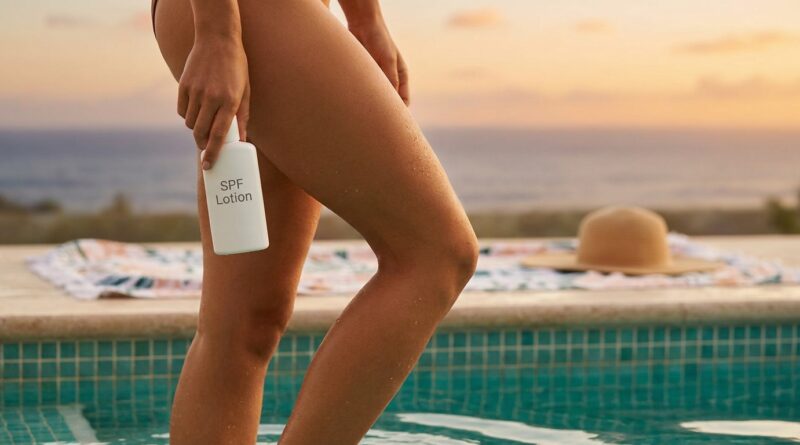
New ‘Chlorine-Safe Glow’ Rule: How To Stop Pools And Salt Water From Ruining Your Sunless Tan (And Your Skin Barrier)
You do one pool day, then your spray tan looks blotchy and your skin feels like parchment. Annoying, yes. But it is also a clue. What looks like simple tan fade is often chlorine or salt water stripping off more than color. It can pull moisture from the outer layer of skin, rough up your skin barrier, and leave you itchy, tight, and flaky. That matters because a sunless tan sits in the top layer of skin. When that layer dries out and sheds faster, your glow goes with it.
If you have been searching for how to protect spray tan from chlorine and salt water, the fix is not one magic product. It is a routine. The sweet spot is simple. Prep your skin before you swim, limit how long your skin sits in chlorinated or salty water, rinse right away, and moisturize like you mean it. Done right, you can keep your tan looking smoother for longer and help your skin stay calm through the hottest stretch of summer.
⚡ In a Hurry? Key Takeaways
- Chlorine and salt water fade spray tans faster because they dry out the top layer of skin where the DHA color lives.
- Before swimming, use a light, fragrance-free moisturizer on dry areas, keep swim time shorter, then rinse and re-moisturize as soon as possible.
- If your skin burns, cracks, or stays very itchy after swimming, treat that as barrier damage, not normal tan fade.
Why pools and ocean water wreck a fake tan so fast
A spray tan or self-tan works because DHA reacts with amino acids in the outermost layer of your skin. It is basically coloring dead skin cells. That is why the color never lasts forever.
Now add chlorine or salt water. Chlorine can be harsh and drying. Salt water can pull water out of the skin and leave it rough. Both speed up dryness, flaking, and uneven shedding. So the color starts breaking apart in patches instead of fading evenly.
This is why your knees, ankles, hands, and chest often look the worst after a swim. Those spots already dry out faster.
The new chlorine-safe glow rule
If you want the simplest version, here it is. Protect the skin first, not just the tan. A healthier skin barrier holds a sunless tan better, fades more evenly, and feels less miserable after a swim.
Think of it like paint on a wall. If the wall is cracked and dusty, the finish will look bad no matter what. Your tan is the same.
How to protect spray tan from chlorine and salt water
1. Wait until your tan has fully developed before swimming
This is the easiest win. Do not jump into a pool a few hours after a spray tan. Most formulas need at least 8 to 12 hours to fully develop, and some need longer. Check the brand guidance, but if you can, give it a full day before swimming.
If you swim too soon, you are not just fading the tan. You may interrupt the color process and end up with streaks.
2. Wet your skin with fresh water first
This old swimmer trick actually helps. If your skin is already soaked with fresh water before you get in the pool or ocean, it may absorb a bit less chlorinated or salty water right away.
It is not a force field. But it is a smart first step.
3. Use a light barrier of moisturizer on the driest areas
Right before swimming, apply a thin layer of fragrance-free moisturizer to spots that fade fastest. Think knees, elbows, ankles, feet, hands, and around the underarms if those areas get dry.
Do not slather on thick oil everywhere if you are heading into the sun. Some heavy products can feel greasy, make sand stick, or interfere with your sunscreen. Keep it light and targeted.
4. Wear water-resistant sunscreen, always
This part matters even if your tan is fake. A spray tan does not protect you from UV damage. You still need broad-spectrum SPF 30 or higher, and it needs to be water-resistant if you are swimming.
Pick a sunscreen that plays nicely with dry or sensitive skin. Fragrance-free is usually a safer bet if chlorine already leaves you itchy.
5. Keep swims shorter when you can
Long soaks are rough on both the tan and the barrier. A quick dip is very different from two straight hours in a heavily chlorinated pool.
If you know you are trying to stretch your tan for an event or trip photos, shorten the swim and take breaks out of the water.
6. Rinse off immediately after swimming
This is the step people skip most. Do not let chlorine or dried salt sit on your skin while you lounge in the sun. Shower or rinse with fresh water as soon as you can.
Use lukewarm water, not hot. Hot water pushes dryness even harder.
7. Skip harsh soap after every swim
If you are doing a quick post-swim rinse, you do not always need a strong cleanser all over your body. A gentle, non-foaming or low-foam body wash is a better call, especially if your skin already feels tight.
Avoid rough scrubs, exfoliating mitts, and acids right after pool or beach time. That is basically asking your tan to leave.
8. Moisturize within minutes
After you rinse, pat dry and moisturize right away. This is one of the best ways to cut down that rough, ashy look. Lotions or creams with glycerin, ceramides, or hyaluronic acid can help support the barrier.
If your tan starts looking dusty after every swim, the answer is often more consistent moisturizing, not more self-tanner.
What chlorine and salt water are doing to your skin barrier
Your skin barrier is the outer shield that helps keep water in and irritants out. When it gets beaten up, your skin can feel tight, stingy, itchy, flaky, or extra sensitive to products that normally do not bother you.
Chlorine can strip oils from the skin. Salt water can dry the surface and make tiny rough spots more obvious. Add heat, wind, shaving, and sun exposure, and you have a perfect recipe for a patchy fade.
That is why some people think their self-tan is the problem, when the real issue is stressed skin underneath.
A swim-safe glow routine that actually works
The day before swimming
Use a bland moisturizer morning and night. If your tan is fresh, do not exfoliate. If you plan to self-tan later in the week, keep your skin calm and hydrated so the next layer goes on more evenly.
Before you get in the water
Rinse with fresh water if possible. Apply a small amount of moisturizer to extra-dry spots. Then use water-resistant sunscreen and let it set.
After swimming
Rinse off quickly. Use a gentle cleanser only if needed. Pat dry. Moisturize while the skin is still slightly damp.
At night
If the skin feels tight, use a richer cream. If your tan has gone a bit uneven, resist the urge to scrub it off that same night unless you are planning a full reset. Usually, 24 hours of hydration makes the fade look less dramatic.
Mistakes that make tan fade worse
There are a few repeat offenders.
- Swimming the same day as your spray tan
- Using hot showers after the pool
- Scrubbing with a loofah or exfoliating wash
- Skipping moisturizer because the weather is humid
- Sitting in a wet swimsuit for hours
- Thinking a fake tan replaces sunscreen
When to blame the product, and when to blame your skin barrier
If your tan always goes orange, streaky, or blotchy before you even swim, the formula or application may be the issue. But if it looks good at first and then falls apart after pool or beach time while your skin feels rough, that points more to dryness and barrier stress.
A good test is how your skin feels. If it is just lighter, that is normal fading. If it is itchy, flaky, and uncomfortable, your skin needs support.
Who needs to be extra careful
You may need a more protective routine if you have eczema, very dry skin, sensitive skin, or you shave often. All of those can make your barrier easier to upset.
Kids and teens using self-tanner for events should also be careful with heavily scented products, especially in hot weather and after long swims.
At a Glance: Comparison
| Feature/Aspect | Details | Verdict |
|---|---|---|
| Pool chlorine | Can dry skin, rough up the barrier, and make DHA color fade patchy, especially after long swims. | Big fade risk. Rinse fast and moisturize right after. |
| Salt water | Can dehydrate the skin surface and make flaky areas look darker or uneven. | Still rough on tan. Usually a bit gentler than chlorine, but not harmless. |
| Best protection strategy | Fresh-water rinse before swimming, light moisturizer on dry spots, water-resistant SPF, short swims, quick rinse after, then barrier-focused lotion. | Most practical way to protect both your glow and your skin. |
Conclusion
Summer heat is pushing everyone toward pools, splash pads, and ocean swims, and that is a lot better for your skin than chasing a real tan under record UV levels. But there is a catch. Chlorine and salt water can strip barrier lipids and speed up the loss of DHA color, which means more irritation, more flaking, and a shorter-lived glow right when you want to feel confident in swimwear. The good news is that you do not need to choose between cooling off and keeping your tan. If you focus on the skin barrier first, wait for your tan to fully set, rinse quickly after swimming, and moisturize consistently, you can stretch your color a few extra days and avoid that dry, patchy look showing up in every photo.