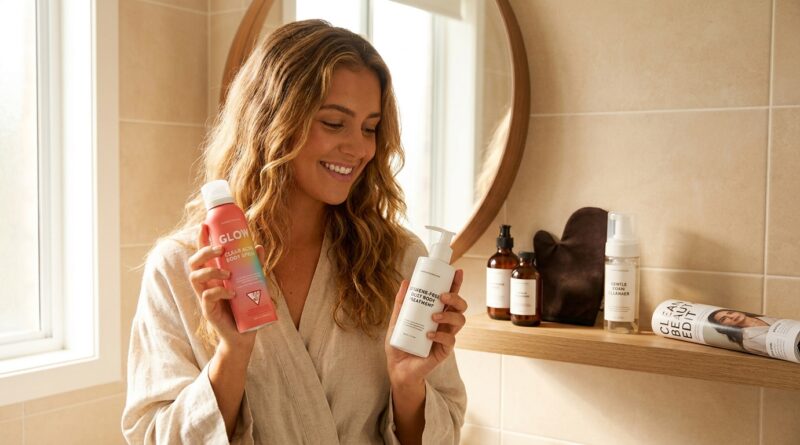
New ‘Acne-Tan Detox’ Rule: How To Break The Benzene Cycle In Your Routine Without Losing Your Glow
You switched to self tanner to avoid UV damage. Fair move. So it is especially frustrating to learn that some acne products, body sprays, and aerosol basics have shown up in benzene recall headlines. If you use break-out treatments on your chest, back, or shoulders, then layer self tanner on top, it can feel like your “healthier” routine suddenly got a lot more complicated. The good news is you do not need to throw out your whole bathroom or give up your glow. You just need a smarter system. Think of this as an acne-tan detox rule: check the products that sit closest to your tanning routine, swap the highest-risk formats first, and keep your self tanner separate from anything under active recall or in spray form if you can. That gives you a safer routine without panic-buying a whole new shelf of skincare.
⚡ In a Hurry? Key Takeaways
- Benzene recall acne products and self tanner safety matter most when you use acne sprays, spot treatments, or body products on the same areas where you apply self tanner.
- Start by replacing aerosol and spray acne products first, then check lot numbers and recall notices before using anything on your chest, back, and shoulders.
- You can keep your glow. A simple routine reset is usually enough, and you do not need to overhaul every product you own.
Why this is suddenly a tanning issue
Benzene is not an ingredient brands are supposed to be adding for skincare benefit. When it shows up, the concern is usually contamination tied to manufacturing or packaging, especially in certain aerosol and spray products. That is why so many headlines have centered on sunscreens, dry shampoos, deodorants, and acne treatments.
For tanning fans, the overlap is obvious once you see it. A lot of people use acne washes on the back and chest. Others use spray spot treatments or body mists after the shower. Then comes self tanner on those exact same areas.
Your tan is not causing the problem. The issue is the mix of products in the routine, and the body zones where they meet.
The new acne-tan detox rule
If a product has been recalled, is under investigation, or is an aerosol you do not fully trust, do not layer it into the same body-area routine as your self tanner until you have checked it.
That is the whole rule. Simple, but useful.
It keeps you from getting stuck in an all-or-nothing panic. You are not banning every acne product. You are creating a safer order of operations and removing the biggest question marks first.
Start with the highest-risk product types
If you want the fastest cleanup, check these first:
- Aerosol acne sprays
- Body sprays used on acne-prone skin
- Dry shampoos that drift onto shoulders and back
- Old sunscreen sprays still living in a gym bag or beach tote
- Any product named in a recall notice, even if it “looks fine”
These are the items most likely to be forgotten and repeatedly used without much thought.
What to check on your bathroom shelf
1. Look at the format, not just the brand
People often search by brand name only. That can miss the real issue. One lotion from a brand may be fine, while one aerosol from the same brand may be part of a benzene recall concern.
Check whether the product is a spray, aerosol, mousse, pump, cream, or gel. Sprays deserve extra attention.
2. Check lot numbers if a recall has been announced
Not every product from a company is affected. Recalls often target specific lot numbers or production windows. If you still have the packaging, compare it with the official recall details from the FDA or the manufacturer.
3. Audit the body zones
This is the part many people skip. Ask yourself where each product actually lands.
- Chest
- Back
- Shoulders
- Neck
- Jawline
If those are also your tanning zones, that product belongs in your detox review.
4. Check the age of the product
Old half-used sprays are prime clutter. If you cannot remember when you bought it, that is your sign to be stricter. Expired or mystery-age products should not get a free pass just because they were expensive.
How to keep using self tanner safely
Good news. Self tanner itself is not the villain in this story. If your product is from a reputable source and not part of a recall, the safer move is usually to protect the skin underneath and remove questionable companions from the routine.
Use this simple order
- Cleanse with a non-aerosol wash if possible.
- Treat acne with a cream, gel, or wash-off product instead of a spray when you can.
- Let skin fully dry.
- Apply self tanner to intact, clean skin.
- Avoid piling multiple fragranced or active products on top right away.
This helps reduce irritation too, which matters because irritated skin often grabs tanner unevenly.
Choose tan-friendly acne products
If you are acne-prone and love a glow, look for products that are:
- Wash-off cleansers for body acne
- Non-aerosol gels or creams for spot treatment
- Fragrance-light formulas if your skin gets reactive
- Easy to keep separate from tanning day products
That last point sounds small, but it matters. If your acne treatment and self tanner are always used at the same time, mistakes happen.
A practical benzene routine reset in 15 minutes
Step 1. Make three piles
- Keep
- Check
- Stop using for now
Anything recalled goes straight to “stop using for now.” Anything aerosol or spray with unclear status goes into “check.” Regular creams, washes, and unaffected products can go into “keep.”
Step 2. Separate tanning-day products
Put your exfoliator, mitt, self tanner, and tan-safe moisturizer in one spot. Keep acne treatments in another. This sounds almost too basic, but it stops accidental layering when you are tired and getting ready fast.
Step 3. Replace one category at a time
Do not try to become a chemist in one night. Start with the products most likely to cause concern:
- Acne sprays
- Dry shampoo
- Body sprays
- Old sunscreen sprays
Once those are handled, your routine is already much cleaner.
What not to do
Do not panic toss every acne product
The concern is not “all acne care is unsafe.” It is that some products, especially in certain formats or batches, have raised contamination concerns.
Do not assume “clean beauty” automatically means safer
Marketing language is not a recall database. Always check actual recall information and manufacturer notices.
Do not layer over irritated skin
If a breakout treatment has left your skin raw, flaky, or stinging, wait before tanning that area. Aside from safety concerns, the color will probably go patchy.
When you should be extra careful
Be more cautious if you:
- Use body acne treatments daily
- Apply self tanner to your back and shoulders every week
- Use dry shampoo that settles onto skin
- Have a habit of keeping products for years
- Share products with roommates or family and lose track of dates
This is where benzene recall acne products and self tanner safety become a real-life routine issue, not just a scary headline.
The easiest swaps that protect your glow
Swap sprays for wash-off or cream formulas
This one change lowers the number of products you need to second-guess.
Use tanning on a dedicated schedule
If possible, make self-tan night separate from heavy acne-treatment night on larger body areas. That gives skin breathing room and makes your routine easier to track.
Keep a “current products only” basket
If it is not in the basket, you are not using it. This cuts down on random old sprays hiding in drawers.
At a Glance: Comparison
| Feature/Aspect | Details | Verdict |
|---|---|---|
| Aerosol acne sprays | Convenient, but this format has shown up repeatedly in contamination and recall conversations. | Check first, swap if possible. |
| Creams and gels for acne | Usually easier to track, easier to apply only where needed, and less likely to drift onto tanning zones. | Best choice for most glow lovers. |
| Self tanner with a simplified routine | Works well when applied to clean, calm skin without stacking questionable sprays and actives. | Keep it, just clean up the surrounding products. |
Conclusion
You do not need to choose between being safety-conscious and loving a bronze glow. The smart move is to treat your routine like a system. Check the sprays first, verify any recall details, and pay close attention to the chest, back, and shoulders where acne care and tanning often overlap. That matters right now because benzene contamination has moved beyond sunscreens into acne products, dry shampoos, and other everyday sprays, and plenty of tanners use those on the same skin they bronze. If you already switched to sunless tanning to avoid UV, it is completely understandable to feel rattled by the idea that your “safe” routine may still have hidden risks. A focused acne-tan detox checklist gives you a calm middle path. You can protect your skin health, keep your glow, and avoid falling for panic or greenwashed marketing while you do it.