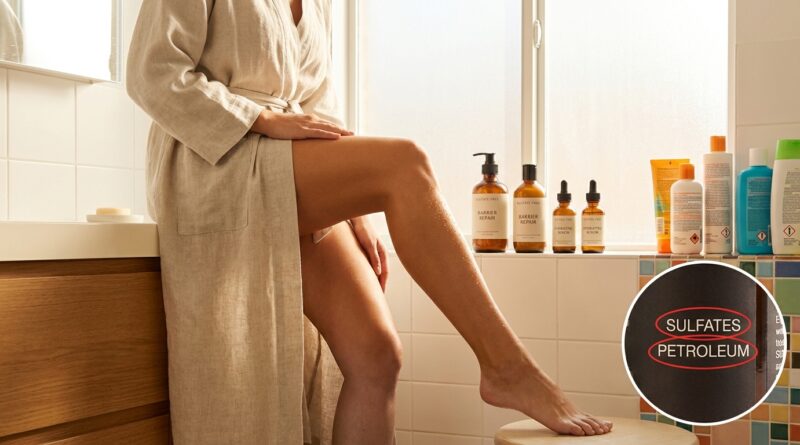
New ‘Tan-Safe Body Care’ Rule: The Everyday Lotions Quietly Destroying Your Sunless Tan (And Your Skin Barrier)
You prep the night before. You apply your self-tanner carefully. You wait. You moisturize. Then somehow by day three, your knees are dark, your shins look dusty, and your skin feels weirdly tight. That is frustrating, especially when you did not actually mess up the tan. A lot of the time, the real problem is your everyday body care. The wrong body wash can strip your skin and fade color fast. The wrong lotion can sit on top, cling to dry patches, or make a fresh spray tan break up in odd ways. If you want truly spray tan friendly body care, you have to think beyond the tanning mitt. Your cleanser, lotion, shaving routine, and even your “gentle” scented products all matter. The good news is this is fixable, and you do not need a 14-step routine to get there.
⚡ In a Hurry? Key Takeaways
- Your self-tanner may not be the issue. Harsh body wash and heavy, poorly matched lotions often cause patchy fading and dryness.
- Pick spray tan friendly body care by looking for sulfate-free cleansers and simple, fragrance-light moisturizers without heavy petroleum or lots of exfoliating acids.
- If your skin stings, itches, or breaks out, stop blaming the tan first. Your barrier may be irritated by the products layered on top.
The quiet reason your tan goes bad so fast
Self-tanner and spray tans depend on the top layer of your skin behaving in a fairly predictable way. DHA, the active used in most sunless tanners, reacts with dead skin cells near the surface. If that layer gets too dry, too stripped, or too uneven, your tan will not fade nicely. It will crack, cling, and go patchy.
That is why body care matters so much. A squeaky-clean body wash might feel fresh, but it can pull too much oil and water from your skin. A super heavy balm might seem helpful, but on some skin it traps things in, sits unevenly, and makes rough areas stand out more. Add fragrance, exfoliating acids, scrubs, or strong essential oils, and your skin barrier can get stressed fast.
Once that happens, your color pays the price.
What “spray tan friendly body care” really means
This phrase sounds more complicated than it is. Spray tan friendly body care simply means products that help your tan fade evenly instead of fighting it.
Look for cleansers that do less
A good tan-safe body wash should cleanse sweat, sunscreen, and daily grime without leaving your skin tight. In plain English, you want:
- Sulfate-free or low-foam formulas
- Fragrance-light or fragrance-free options if you are sensitive
- No scrub particles
- No strong exfoliating acids for daily use
- No “deep detox” or “clarifying” claims for regular post-tan showers
If your skin feels dry the second you step out of the shower, that wash is probably too harsh for maintaining a tan.
Pick lotions that support the barrier
Not every moisturizer is a good match for self-tan. You want hydration that sinks in well and keeps the surface flexible. That usually means:
- Glycerin
- Hyaluronic acid
- Ceramides
- Squalane
- Light plant oils in balanced formulas
Use extra caution with products that are extremely greasy, strongly perfumed, or packed with active exfoliants like glycolic acid, lactic acid, salicylic acid, or retinol. Those can make a tan fade faster or more unevenly, especially on elbows, knees, ankles, and shins.
The ingredients that most often mess things up
You do not need to memorize an entire chemistry book. Just learn the usual troublemakers.
1. Sulfates
Ingredients like sodium lauryl sulfate or sodium laureth sulfate can be too stripping for some people, especially if you already have dry skin. A stripped barrier means flaky skin, and flaky skin means weird tan loss.
2. Exfoliating acids
AHAs, BHAs, and enzyme blends are great when you want to remove old tan before a new application. They are not ideal if your goal is to keep color looking even for as long as possible.
3. Strong fragrance and essential oils
These do not ruin every tan, but they are common reasons for stinging, itching, and random red patches that people blame on the tanner itself.
4. Very heavy occlusives
Petrolatum and ultra-thick ointments are not automatically bad. They can be wonderful on cracked skin. But if you slather them everywhere over a fresh tan, they may not give you the smooth, balanced fade you want. On some people, they spotlight texture or make the skin feel coated rather than hydrated.
How to build a tan-safe body routine without overthinking it
Here is the simple version.
Before your tan
- Use exfoliating products only before application, not daily after
- Shave at least several hours before, ideally the day before
- Skip rich oils right before a spray tan
- Apply barrier cream only where needed if getting a professional spray tan
The first 24 hours after your tan
- Use a very gentle body wash, or just rinse if your artist recommends it
- Avoid scrubs, loofahs, and shaving
- Moisturize with a light, plain lotion once your tan has fully developed
Days 2 through 7
- Shower briefly with lukewarm water
- Pat dry, do not rub hard
- Moisturize morning and night if your skin runs dry
- Keep exfoliants off the areas where you want color to last
If your skin is sensitive, this matters even more
Some people are not just dealing with fading. They are dealing with itching, bumpy skin, chest breakouts, or that stingy feeling after application. In those cases, your body care routine may be exposing an already touchy skin barrier.
If that sounds familiar, it is worth reading New ‘DHA‑Free Tan’ Rule: The Sensitive-Skin Safe Glow Trend That Finally Skips The Smell, The Hives And The Guesswork. It is a helpful look at why some people do better with alternatives when standard self-tanners just keep causing drama.
Quick label-reading cheat sheet
When you are standing in the aisle or scrolling online, use this shortcut.
Usually better for tan maintenance
- “Sulfate-free”
- “Fragrance-free” or lightly scented
- “Ceramides”
- “Glycerin”
- “Barrier support”
- “Sensitive skin”
Usually not ideal right after tanning
- “Clarifying”
- “Peeling”
- “Resurfacing”
- “Scrub”
- “AHA/BHA body treatment”
- “Intense fragrance”
The biggest mistake people make
They spend money on better self-tanner, then pair it with whatever body wash was on sale and a lotion they have had under the sink for a year.
That is a bit like buying good paint, then using a dirty brush. The finish is never going to look the way it should.
The newer wave of “skincare first” self-tanners is trying to make tanning easier on the skin. But those formulas cannot do much if your daily shower routine keeps stripping away the very surface they are meant to work with.
At a Glance: Comparison
| Feature/Aspect | Details | Verdict |
|---|---|---|
| Body wash choice | Sulfate-heavy, highly fragranced washes can dry the skin and speed up patchy fading. Gentle, low-foam cleansers help color wear more evenly. | Go gentle |
| Moisturizer type | Barrier-supporting lotions with glycerin, ceramides, and squalane usually work better than thick, greasy formulas loaded with fragrance or strong actives. | Choose balanced hydration |
| Exfoliating products | Acids, scrubs, and enzyme washes help remove old tan before application, but they can quickly break down a fresh glow if used too soon or too often. | Use only at the right time |
Conclusion
You do not need to fear every lotion bottle in your bathroom. You just need a better match. Right now the tanning world is full of barrier-boosting, hydrating self-tanners that are trying to be kinder to skin. But if you are still washing with harsh cleansers and topping everything with products that strip, irritate, or sit too heavily, you are working against your own results. Choosing spray tan friendly body care means longer-lasting color, a more even fade, fewer mystery rashes, and healthier skin day to day. That is a win, especially now that more people are choosing sunless tanning instead of risky UV exposure. A few smart swaps can make your tan look better and your skin feel better too.