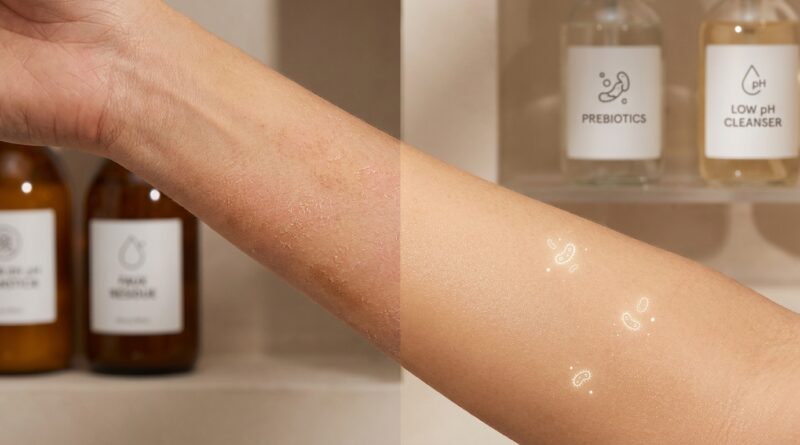
New ‘Microbiome-Safe Tan’ Rule: The Skin-Bug Friendly Way To Self‑Tan That Dermatologists Are Quietly Getting Excited About
You get your self-tan looking perfect, then two days later your face feels tight, bumpy, itchy, or oddly greasy. That is maddening. A lot of people assume the tanner itself is the whole problem, but often it is the pile-up around it. DHA, exfoliating acids, strong cleansers, fragranced body washes, and whatever serum happened to be on the sink can all chip away at your skin barrier and throw off the tiny community of bacteria living on your skin. That community, your microbiome, helps keep skin calm and balanced. New research published in the last 24 hours is getting dermatologists interested in plant-based prebiotics that seem to feed helpful skin bugs while holding back the troublemakers. For self-tan fans, that opens up a much smarter approach. Instead of asking, “Which tanner is least annoying?” the better question is, “What is the most microbiome safe self tanner routine from prep to fade?”
⚡ In a Hurry? Key Takeaways
- A microbiome safe self tanner routine means using fewer harsh steps, keeping the skin barrier calm, and choosing simple prep, application, and aftercare.
- Skip strong acids, scrubs, and stripping cleansers for at least 24 hours around tanning, then use gentle hydration and barrier-friendly products to help color last longer.
- If your skin is stinging, flaring, or suddenly breaking out, the issue may be the whole routine, not just the tanner. Patch test and scale back.
What the new “microbiome-safe tan” rule really means
The rule is simple. If a product or step leaves your skin angry, squeaky, raw, or overloaded, it is probably not helping your tan either.
Your skin microbiome is made up of bacteria and other microbes that live on the surface of your skin. That sounds creepy until you remember many of them are actually useful. They help keep the barrier working well and can make skin less reactive. When that balance gets pushed off course, skin may feel rougher, get red more easily, or break out in patterns that seem random.
Self-tanning adds one more variable because DHA works on the top layer of skin. It does not need your routine to be harsh. In fact, a calmer routine often gives you better color. If you want a deeper breakdown, New ‘Microbiome-Safe Tan’ Rule: How To Self-Tan Without Wrecking Your Skin’s Good Bacteria makes the same point in plain English.
The hidden reason some tans look worse after day two
Day one can look great because bronzers and fresh color hide a lot. Day two tells the truth.
If your barrier is stressed, skin cells do not shed evenly. That can mean patchy fade, clingy dark spots around pores, rough texture on the chin, and color that grabs onto dry areas. If your microbiome is also irritated, you may notice more tiny bumps, sensitivity, or that “my face hates everything now” feeling.
This is why the new prebiotic research matters. Plant-based prebiotics are being studied because they may help support beneficial skin bacteria while making life harder for the less helpful ones. That does not mean every product with “microbiome” on the label is magic. It does mean we finally have a better lens for choosing what goes around your tan.
Your microbiome safe self tanner routine
1. The day before, prep gently
You still want smooth skin. You just do not need to sand it down.
Use a mild, non-stripping cleanser. If you like exfoliation, go with a soft washcloth or a very gentle enzyme or low-strength acid only if your skin already tolerates it well. Do not pile on a scrub, an acid toner, and a retinol all in one night. That is where trouble starts.
Shave or remove hair at least 24 hours before tanning if possible, especially if you are prone to ingrowns or follicle bumps. Freshly shaved skin plus DHA plus fragrance is not a fun mix for a lot of people.
Finish with a plain, fragrance-light moisturizer that supports the barrier. Think glycerin, ceramides, squalane, or oat. If a moisturizer also contains prebiotic ingredients and your skin already likes it, great. Just do not test three new products at once before a tan.
2. On tanning day, keep the canvas boring
Boring is good here.
Wash skin with a gentle cleanser. Skip the strong foaming body wash that leaves you feeling “super clean.” That squeaky feeling usually means your skin is losing moisture it wanted to keep.
Do not apply random actives under your tanner. No peel pads. No retinoids. No heavy fragrance mist. No acne spot treatment all over the face because you are nervous about breakouts. Those steps can make application less even and increase the chance of irritation.
If you have very dry zones like elbows, knees, ankles, or around the nostrils, use the thinnest amount of plain moisturizer there first. The goal is not greasy. It is just enough to stop over-grabbing.
3. During application, less mixing is better
Use a clean mitt for the body and clean hands or a separate brush for the face if needed. That is not just about neatness. It cuts down on residue, old product build-up, and bacteria transfer.
Apply in thin, even layers. Do not keep going over the same area because you are nervous it is not dark enough yet. Overworking the product can irritate skin and create patchy oxidation.
For the face, this matters even more. Your face has a different oil balance and a different microbiome than your legs. If your facial skin is reactive, use less product than you think you need.
4. Aftercare is where most people accidentally ruin the tan
Once the color develops, people often go right back to harsh cleansers and “skin cycling” like nothing happened.
For the next few days, stick with gentle cleansing and steady hydration. Use lukewarm water, not hot. Avoid over-exfoliating just because you are scared of patchiness. That usually makes fading worse.
Aim for a plain moisturizer morning and night. Barrier-friendly ingredients can help your skin stay calmer, which often means the tan fades more evenly. If you want to try newer microbiome-friendly products, introduce them one at a time, not as a complete bathroom makeover.
Ingredients and steps that tend to cause trouble
Be cautious with these around tanning
Strong scrubs, high-strength glycolic acid, salicylic acid all over the face, retinoids, benzoyl peroxide, heavily fragranced body products, alcohol-heavy toners, and harsh sulfate cleansers can all make skin more reactive around a tan.
That does not mean these ingredients are “bad.” It means timing matters. If your skin can handle them, bring them back later and slowly.
What tends to play nicely
Gentle cleansers, simple moisturizers, ceramides, glycerin, hyaluronic acid, squalane, colloidal oat, and some prebiotic ingredients are usually easier companions. The big test is how your own skin reacts. Calm skin beats trendy skin every time.
How to tell if your routine is microbiome-friendly enough
Ask yourself three questions.
Does my skin sting when I put products on? Does it feel tight after washing? Am I getting new bumps or rough patches after tanning?
If the answer is yes, scale back. The smartest microbiome safe self tanner routine is usually the simplest one you can stick to. You are not trying to build a chemistry set. You are trying to keep the top layer of your skin steady while the tan develops and fades.
When “microbiome-friendly” on the label is worth noticing, and when it is just marketing
This label is going to pop up everywhere now. Some of it will be useful. Some of it will be pure sticker nonsense.
A good sign is a product that also looks gentle in the rest of its formula. A bad sign is a product shouting about the microbiome while still being packed with obvious irritants for your skin type. The whole formula matters more than the buzzword.
If you are acne-prone or rosacea-prone, go extra slow. New prebiotic data is promising, but your skin still gets the final vote.
A simple 5-step routine most people can start with
1. The night before, cleanse gently and do only light exfoliation if needed.
2. Moisturize with a plain barrier-supporting cream.
3. On tanning day, cleanse again and skip strong actives.
4. Apply self-tanner in thin layers, using a little moisturizer only on extra-dry spots.
5. For the next few days, use gentle cleanser and moisturizer, and avoid going hard with acids and scrubs.
That is it. Not glamorous, but effective.
At a Glance: Comparison
| Feature/Aspect | Details | Verdict |
|---|---|---|
| Prep style | Gentle cleanse, light exfoliation, barrier moisturizer, no pile-on of acids or scrubs | Best for even color and calmer skin |
| Application day products | Simple base, minimal mixing, thin moisturizer only on dry spots, clean tools | Lower risk of streaks, clogged pores, and irritation |
| Aftercare | Gentle cleanser, steady hydration, no aggressive exfoliation for a few days | Helps color last longer and fade more evenly |
Conclusion
The exciting part here is not just a new label trend. In the last 24 hours, researchers published fresh data on plant-based prebiotics that appear to support beneficial skin bacteria while suppressing troublemakers, and brands are already moving fast to work “microbiome-friendly” into everyday skincare. For self-tanner users, that matters more than it might sound. Most people are stacking DHA, exfoliants, harsh cleansers, and random serums without thinking about what that combo is doing to their barrier or skin microbes. That can mean more irritation, more breakouts, and color that fades faster or looks patchy. The good news is you do not need a complicated fix. A clear microbiome safe self tanner routine, with gentler prep, simpler application, and calmer aftercare, can help you get more even, longer-lasting color while treating your skin better. That is a much nicer deal than guessing your way through the bathroom shelf.