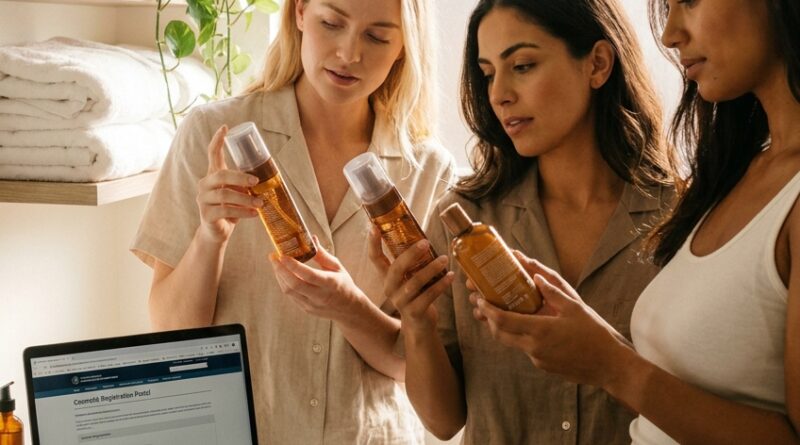
New ‘Illicit Tan Drop Crackdown’ Rule: How To Spot Unregistered Sunless Tanners Before They Touch Your Skin
If you feel like shopping for self-tanner has turned into a guessing game, you are not imagining it. Cute bottles, “organic” claims, and viral TikTok demos can make a product look safe when it has skipped the most basic checks. That is a real problem if you have sensitive skin, melasma, eczema, or you are simply tired of buying something that leaves you blotchy, itchy, or worried about what you just put on your body. The good news is that you do not need a chemistry degree to spot the red flags. Most safe, regulated self-tanners leave a paper trail. The risky ones usually leave holes. Think vague labels, no real company info, wild claims, and products that act more like supplements or injections than a normal surface-only tan. Once you know what to look for, it gets much easier to separate a legit glow product from a mystery bottle you should not let near your skin.
⚡ In a Hurry? Key Takeaways
- A safe, regulated self-tanner should have a full ingredient list, traceable brand details, and clear instructions for external use.
- Skip products with no manufacturer listed, miracle claims, “edible” or injectable tanning promises, or labels that feel vague and incomplete.
- Authorities are cracking down because unregistered tanning products can carry contamination, irritation, and long-term health risks that are easy to avoid.
Why this crackdown matters
Regulators in several countries have started pulling or banning self-tanners that were being sold without proper registration, complete labeling, or a traceable maker. That sounds boring until you remember what it means in real life. If nobody can clearly say who made the product, where it came from, or what is inside it, you are the one taking the risk.
For normal self-tanners, the expected setup is pretty simple. They sit on the skin and use DHA, short for dihydroxyacetone, to darken the top layer. That is very different from black-market tanning pills, “edible” drops, nasal products, or injections that claim to tan you from the inside out. Those are not in the same safety lane at all.
How to tell if self tanner is safe and regulated
1. Check for a real manufacturer, not just a cute brand name
The label should tell you who makes it or who is responsible for selling it, along with a real address or contact path. If all you get is an Instagram handle, a first name, or a “DM to reorder” message, that is a problem.
Safe products usually make it easy to find:
- Company name
- Website with contact details
- Batch or lot number
- Customer service email or phone number
If the seller disappears after the sale, that is your warning.
2. Read the ingredient list like a skeptic
A proper ingredient list should be complete and readable. If it just says “proprietary organic blend,” “natural bronzing complex,” or “clean tanning actives” without naming the ingredients, do not trust it. “Natural” is not a safety stamp.
Most standard self-tanners list DHA clearly. Some also include erythrulose, moisturizers, fragrance, preservatives, and color guides. That does not automatically make them perfect for every skin type, but it does show the formula is at least being disclosed.
If you want a deeper label-checking guide, New ‘Clean-Inci Tan’ Rule: The Ingredient Label Trick That Shields Your Glow From Hidden Toxins is a helpful next read.
3. Make sure it is clearly for external use
This one is huge. A compliant self-tanner is a surface product. Lotion, mousse, mist, serum, drops mixed into moisturizer. Fine. But once a product starts talking about swallowing it, spraying it into your nose, or injecting it, stop right there.
Those products are not just “stronger.” They move into a very different risk category, and some are linked to serious safety concerns. A believable glow is not worth gambling with your health.
4. Look for basic warning language
Legit self-tanners usually include standard warnings and directions, such as:
- For external use only
- Avoid contact with eyes
- Patch test before use
- Does not contain sunscreen or does not protect against sunburn
If a product has no cautions at all, that is not reassuring. It often means the labeling was slapped together, not carefully reviewed.
5. Be suspicious of miracle claims
“Permanent tan.” “Melanin booster.” “Doctor-grade injectable bronze.” “Eat two gummies and wake up glowing.” These are classic red-flag phrases.
A normal DHA tanner gives temporary color on the top layer of skin. It does not rewrite biology. It does not replace sunscreen. It does not treat skin conditions. And it should not need dramatic language to sell itself.
Red flags that should make you put it back
Here is the quick gut-check list. Walk away if you see any of these:
- No full ingredient list
- No manufacturer or responsible company named
- No batch number or traceable packaging info
- Claims that it is edible, injectable, or inhaled
- Only sold through social DMs or pop-up reseller pages
- Labeling full of spelling mistakes or vague health claims
- No patch test guidance
- No warning that the product does not protect from UV damage
What a safer self-tanner usually looks like
You are generally on firmer ground when the product:
- Lists DHA or other known tanning ingredients clearly
- Is sold by an established retailer or official brand site
- Has complete directions and warnings
- Comes in sealed packaging with batch information
- Avoids wild inside-out tanning claims
- Has a return policy and reachable customer support
None of that guarantees your skin will love it, of course. Fragrance, essential oils, and preservatives can still trigger irritation in some people. But it does mean the product is acting like a normal cosmetic, not a mystery experiment.
If you have sensitive skin, do this before full application
Patch test first
Apply a small amount to a discreet area and wait 24 to 48 hours. If your skin stings, swells, gets very red, or breaks out, skip it.
Start with a simpler formula
Fewer extras can mean fewer problems. Fragrance-free or lower-fragrance options are often easier on reactive skin.
Do not use damaged skin as a test zone
If your skin barrier is already angry, even a regulated self-tanner may feel rough. Wait until things have calmed down.
Keep expectations realistic
A good self-tanner should give color. It should not burn, itch intensely, or make your skin feel hot. If it does, wash it off.
Social media is not a safety check
This part is easy to forget. A product can have thousands of glowing reviews, pretty packaging, and affiliate codes everywhere, and still be poorly labeled or unregistered. Influencer hype is marketing, not proof.
A useful rule is this. If the video spends more time showing the shade than the label, slow down. Take a screenshot. Zoom in. Look for the details you would expect on any normal personal care product.
At a Glance: Comparison
| Feature/Aspect | Details | Verdict |
|---|---|---|
| Label transparency | Full ingredient list, warnings, batch number, and real company details | Good sign |
| Type of tanning claim | Surface-only DHA color versus edible, injectable, or “melanin boosting” promises | Stick with surface-only products |
| Sales channel | Official site or trusted retailer versus DM sales and untraceable pop-up accounts | Trusted retailer is safer |
Conclusion
You do not need to panic or throw out every tanning product you own. You just need a better filter. Authorities are banning some self-tanners because too many products are being sold without basic registration, clear labeling, or traceable manufacturers, while shady “tan boosters” keep spreading on social feeds. The safest path is also the simplest one. Choose a surface-only self-tanner with a clear ingredient list, real company details, standard warnings, and no dramatic inside-out claims. That quick check can help protect your skin barrier, lower the risk of contamination or mystery reactions, and let you keep the glow without the stress.