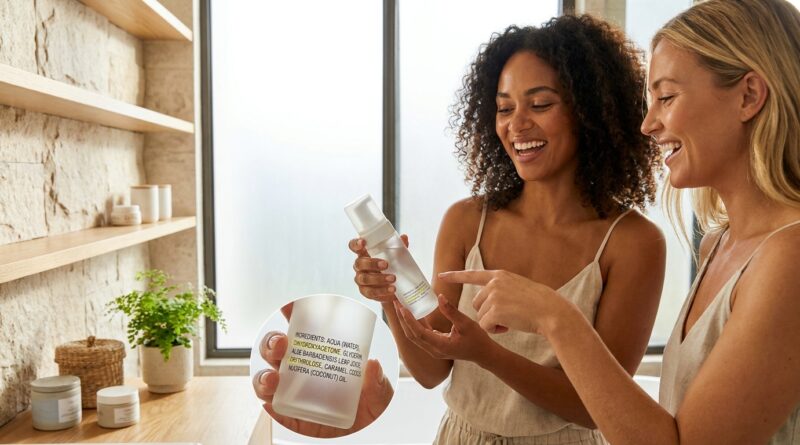
New ‘Clean-Inci Tan’ Rule: The Ingredient Label Trick That Shields Your Glow From Hidden Toxins
You are not being dramatic for side-eyeing the label on your favorite self tanner. A lot of people finally find one formula that gives them that even, streak-free glow, then TikTok starts yelling about “clean beauty,” hormone disruptors, and mystery chemicals hiding in plain sight. It is enough to make anyone wonder if their faux tan is secretly the risky part of their routine. The good news is this does not have to turn into a chemistry degree or a full bathroom purge. Most self tanners are not dangerous by default, but some ingredient lists deserve a closer look than the front label suggests. Words like natural, plant based, and non toxic can be helpful, but they are not proof. A simple self tanner ingredient safety checklist can help you spot the few ingredients that matter most, skip the panic, and keep your UV-free glow with a lot more confidence.
⚡ In a Hurry? Key Takeaways
- Do not trust “clean” or “natural” on the front of the bottle. Check the full ingredient list for fragrance, formaldehyde releasers, harsh preservatives, and unnecessary dyes.
- Start with a simple filter. Look for DHA plus moisturizing support, then watch for red-flag extras like parfum, methylisothiazolinone, or heavy essential-oil blends if your skin is reactive.
- Most self tanners can still be used safely. The goal is not fear, it is lowering avoidable exposure while keeping the sunless color you want.
What the “Clean-Inci Tan” Rule Actually Means
Think of this rule as a fast label test. “Inci” is short for the ingredient list, the part on the back that tells the real story. The Clean-Inci Tan Rule is simple. Judge the bottle by the back, not the marketing on the front.
If a self tanner gives good color but the ingredient list is packed with vague fragrance, known irritants, or preservatives with a rough reputation for sensitive skin, it may not be your best long-term pick. If the formula is straightforward, clearly labeled, and avoids the biggest problem ingredients, it earns a spot in your routine.
Your Self Tanner Ingredient Safety Checklist
Here is the practical filter to use when you shop. You do not need every product to be perfect. You just want one that avoids the most common troublemakers.
1. Start with the active tanning ingredient
Most sunless tanners use DHA, short for dihydroxyacetone. That is the standard ingredient that reacts with the top layer of skin to create color. DHA itself is widely used and is generally considered acceptable in lotions and mousses when used as directed on the skin.
What matters more is the rest of the formula. DHA is not the villain. The supporting cast can be.
2. Watch for vague “fragrance” or “parfum” high on the list
This is one of the biggest label traps. Fragrance can mean a mix of many chemicals, and brands are often not required to spell them all out. For some people, that is no big deal. For others, it is the ingredient most likely to cause itching, redness, stinging, or headaches.
If you have sensitive skin, fragrance-free or clearly scented-with-specific-ingredients is usually the safer bet.
3. Be careful with certain preservatives
Preservatives are necessary. Without them, products can grow bacteria or mold, which is obviously worse. But some preservatives are more irritating than others.
Ingredients worth pausing on include methylisothiazolinone and methylchloroisothiazolinone. These have a strong history of causing allergic skin reactions in some users. If you see them, especially in a leave-on self tanner, that is a reason to think twice.
4. Check for formaldehyde-releasing preservatives
These sound scary because they are. Some preservatives slowly release small amounts of formaldehyde to stop microbial growth. Common names to look for include DMDM hydantoin, imidazolidinyl urea, diazolidinyl urea, and quaternium-15.
Not every product with these ingredients will cause a problem, but if you are trying to cut down on ingredients with long-running safety concerns, these are easy ones to avoid.
5. Do not assume “natural” essential oils are always gentle
Tea tree, citrus oils, peppermint, lavender, and eucalyptus sound fresh and wholesome. On irritated or barrier-damaged skin, they can still sting or trigger a reaction. Natural does not always mean mild.
If your skin gets angry fast, keep the essential-oil mix short and simple.
6. Look at added colorants and bronzers
Many self tanners include a guide color so you can see where you applied the product. That part is useful. Still, extra dyes and bronzers can sometimes add irritation without improving the actual tan result.
If the formula has a long list of color additives but you usually shower off the guide color quickly anyway, a simpler formula may be the better buy.
7. Check the alcohol content if your skin runs dry
Some sprays, mists, and fast-drying mousses rely on a lot of alcohol. That can help with drying time, but it can also leave skin tight and more prone to irritation. If alcohol or denatured alcohol is near the top of the list and your skin is already dry, be cautious.
8. Look for barrier-support ingredients
This is the positive side of the checklist. Ingredients like glycerin, hyaluronic acid, aloe, squalane, ceramides, panthenol, and soothing plant extracts can help offset dryness and make the tan wear more evenly.
A safer-feeling self tanner is not just about what is missing. It is also about what is helping your skin stay calm.
The Ingredient Red Flags Most People Can Skip
If you want the shortest possible version of the self tanner ingredient safety checklist, here it is. Pause or pass if you see:
- Parfum or fragrance high on the list, especially if your skin is reactive
- Methylisothiazolinone or methylchloroisothiazolinone
- DMDM hydantoin, quaternium-15, diazolidinyl urea, or imidazolidinyl urea
- Heavy essential-oil blends if you have eczema, rosacea, or very sensitive skin
- High alcohol formulas that leave skin dry or sting after shaving
That does not mean every product with one of these ingredients is automatically harmful. It means these are the easiest places to reduce unnecessary risk.
What “Clean” Beauty Gets Right, and Where It Can Mislead
Clean beauty did one useful thing. It got more people reading labels. That is a win. The problem starts when the front of the bottle becomes a shortcut for trust.
“Clean.” “Non-toxic.” “Green.” “Pure.” None of these words are tightly regulated enough to guarantee a product is free from ingredients that could bother your skin. A self tanner can be sold as plant-based and still include fragrance mixes, sensitizing oils, or preservatives you would rather avoid.
So yes, use those words as a clue. Just do not stop there.
Special Case: If Your Skin Is Already Sensitive
If you have eczema, psoriasis, razor burn, or skin that reacts to everything, your checklist should be stricter. In that case, fragrance-free formulas, fewer botanical extras, and strong moisturizers matter even more than clever branding.
For a deeper guide, see New ‘Spray-Tan Skin SOS’ Rule: The Safe-Product Checklist For Sensitive Or Eczema‑Prone Skin. It is especially helpful if your skin barrier is already stressed and you need a safer starting point.
A Smart Shopping Process That Takes Two Minutes
Front of bottle
Ignore the glow claims for a moment. “Clean,” “natural,” and “non-toxic” are not proof of anything.
Back of bottle
Scan for DHA first, then look for fragrance, preservatives, drying alcohols, and essential oils.
Whole formula vibe
Ask one simple question. Does this look like a basic tanning formula with support ingredients, or a perfume cocktail with bronzer and buzzwords?
Patch test
Even a great-looking ingredient list cannot predict your personal skin reaction. Test a small area for 24 hours before going all in.
At a Glance: Comparison
| Feature/Aspect | Details | Verdict |
|---|---|---|
| Marketing claims | Words like clean, natural, and non-toxic sound reassuring but do not guarantee a low-irritant formula. | Helpful clue, not enough on its own |
| Ingredient list quality | Shorter, clearer formulas with DHA, hydrators, and fewer fragrance-heavy extras are usually easier on skin. | Best predictor of a smarter buy |
| Sensitive-skin safety | Fragrance-free, low-alcohol, preservative-conscious formulas tend to be safer for reactive skin types. | Worth prioritizing if you get irritation easily |
Conclusion
You do not need to panic over every self tanner on the shelf. But you also do not need to fall for every “clean” label that shows up in your feed. Sunless tanning is booming, and plenty of products marketed as gentle or natural still hide ingredients linked with irritation, hormone concerns, or other long-term questions. The answer is not fear. It is a simple, dermatologist-informed label filter. Use this self tanner ingredient safety checklist to focus on what matters, skip the obvious red flags, and keep the UV-free glow you love with less guesswork. That way your tan can stay the fun part of your routine, not the part you quietly worry about later.