New ‘Fragrance-Safe Tan’ Rule: How To Avoid Hidden Allergens In Your Self‑Tanner In 2026
You are not imagining it. One day your favorite self tanner gives you a smooth, even glow, and the next day your skin feels hot, itchy, prickly, or covered in little angry bumps. That is especially frustrating when the label tells you almost nothing beyond one vague word: “fragrance.” If your skin barrier is already dry, over-exfoliated, or reactive, that mystery mix can be enough to push it over the edge. The good news is that the new 2026 label rules are starting to make self tanner fragrance allergy concerns easier to spot before you apply from neck to ankles. Brands will have to spell out more known scent allergens instead of hiding everything behind a catch-all term. For anyone trying to find a self tanner fragrance allergy safe sunless tanning 2026 routine, that is a real step forward, even if it does not solve every label problem overnight.
⚡ In a Hurry? Key Takeaways
- Fragrance is a common trigger in self tanners, and 2026 rules mean more allergens must be listed by name on many product labels.
- If your skin reacts, check for known fragrance allergens, choose fragrance-free when possible, and patch-test before full-body use.
- These label changes help, but they do not replace common sense. “Unscented” is not always fragrance-free, and sensitive skin still needs a cautious approach.
Why self tanners suddenly cause irritation
Self tanner reactions are often blamed on DHA, the ingredient that creates the color. Sometimes that is true. But quite often, the bigger problem is the scent blend added to cover the classic self-tanner smell.
That blend can include dozens of fragrance chemicals. Some are harmless for many people. Some are not. If you have eczema, rosacea, a damaged skin barrier, or a history of reacting to scented skincare, your odds of trouble go up.
And here is the annoying part. You can use the same product for months, then suddenly react. That can happen because your skin is more irritated than usual, or because allergies can build over time after repeated exposure.
What the new 2026 fragrance label rule actually means
The headline version is simple. More known fragrance allergens now need to be named on labels instead of being buried under the generic word “fragrance” or “parfum,” depending on where the product is sold and how the brand handles compliance.
For shoppers, that means you may start seeing specific ingredients listed more clearly, especially ones tied to common scent reactions. This does not mean every bottle becomes easy to decode overnight. Some brands will update faster than others. Some products may still use broad fragrance terms alongside specific allergen disclosures.
Still, it is progress. If you have ever stood in a store trying to guess what “fresh coconut glow” actually means for your skin, this is the first useful change in a while.
What labels may show more often now
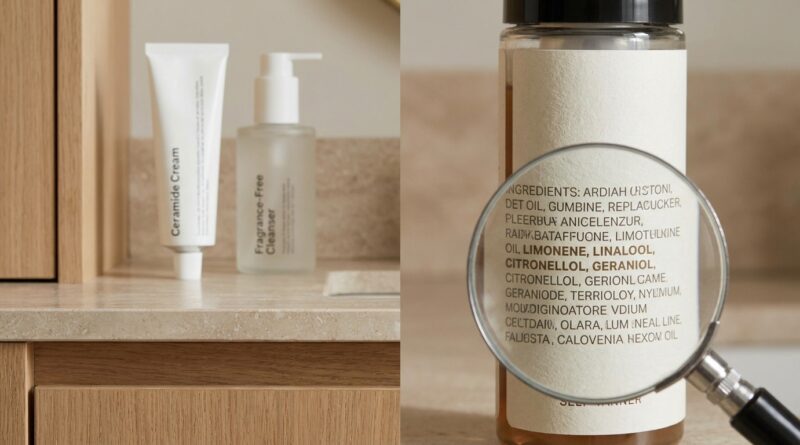
You may begin noticing individual fragrance allergens such as limonene, linalool, citronellol, geraniol, eugenol, coumarin, hexyl cinnamal, or benzyl alcohol listed separately. Not every one of these is a problem for every person. But if you know one of them bothers your skin, the new labels make shopping less of a blind date.
Which fragrance allergens are worth watching in self tanners
If your skin tends to flare, these are some of the most common names to keep an eye on:
Limonene and linalool
These show up a lot in citrusy, fresh, or clean-smelling formulas. They can oxidize over time, which may make them more irritating for some people.
Citral, citronellol, and geraniol
Common in floral and citrus scent profiles. They sound pretty. Your skin may disagree.
Eugenol and isoeugenol
Often found in warmer, spicier fragrance blends. These can be a problem for fragrance-sensitive users.
Hexyl cinnamal and coumarin
These are common perfume ingredients that can turn up in body products marketed as luxe or beachy.
Benzyl alcohol and benzyl salicylate
These can be used as fragrance components or preservatives, which makes labels a little trickier to read.
Important note. Seeing one of these on a label does not automatically mean a product is unsafe. It means you should pay attention, especially if you have reacted before.
Fragrance-free vs unscented. Yes, there is a difference.
This trips people up all the time.
Fragrance-free usually means no fragrance materials were intentionally added to create a scent.
Unscented may still include masking ingredients used to hide the smell of the formula. In other words, a product can smell like “nothing” and still contain fragrance-related chemicals.
If you are trying to build a self tanner fragrance allergy safe sunless tanning 2026 routine, fragrance-free is usually the better place to start.
How to shop smarter under the new rules
The new labels help most when you know what to do with them. Here is the practical approach.
Start with your own reaction history
If a body lotion, perfume, shampoo, or glow drop has made you sting or itch before, save the ingredient list if you can. Patterns matter. You may notice the same fragrance allergens popping up again and again.
Look beyond the front of the bottle
“Clean,” “sensitive,” “natural,” and “for all skin types” are marketing phrases, not medical promises. Flip the bottle over.
Be extra careful with “tropical” and “coconut” scent profiles
Heavily scented self tanners often lean into beachy fragrance blends. Those are fun until your elbows start burning.
Choose shorter ingredient lists when possible
This is not a perfect rule, but fewer extras often means fewer chances for your skin to get annoyed.
Patch-testing still matters, even with better labels
The 2026 rule is helpful, but it cannot predict your skin. Patch-testing is still the smartest move before using any new mousse, mist, lotion, or glow drop all over your body.
If you want a simple step-by-step method, this guide on New ‘Allergy-Safe Glow’ Rule: How To Patch-Test Self Tanner Like Derms Do In 2026 walks through the process clearly.
A quick patch-test method
Apply a small amount behind the ear, along the jawline, or on the inner arm. Wait at least 24 to 48 hours. Watch for itching, redness, warmth, rash, swelling, or tiny bumps.
Then test again on a slightly larger body area if the first spot stays calm. It is boring. It is also much better than discovering an allergy after a full-body application the night before an event.
Signs your reaction is probably fragrance-related
Not every bad self-tanner experience is an allergy, but these clues point in that direction:
- Burning or stinging starts quickly after application
- Red, itchy patches show up where the product was applied
- You react to multiple scented products, not just one self tanner
- Your face, neck, chest, or inner arms react more than tougher areas like legs
- The tan color develops, but your skin feels worse as the scent lingers
If you get hives, swelling, trouble breathing, or a severe spreading rash, stop using the product and get medical help right away.
What to do if your skin is already reacting
First, stop using the product. Do not “wait and see” while reapplying over irritated skin.
Rinse the area with lukewarm water. Use a bland, fragrance-free moisturizer. Avoid exfoliating acids, retinoids, scrubs, and heavily scented body care until your skin calms down.
If the reaction is mild, it may settle with a simple barrier-repair routine. If it is intense, painful, widespread, or keeps coming back, a dermatologist can help sort out whether it is fragrance, DHA, preservatives, or something else entirely.
Who should be most careful in 2026
Some people should read these updated labels like detectives:
- Anyone with eczema or very dry skin
- People with rosacea or sensitive facial skin using glow drops
- Anyone with a known fragrance allergy
- Shoppers using multiple scented body products at once
- People tanning after shaving, exfoliating, or using actives
That last one matters more than many people realize. Freshly shaved or over-exfoliated skin is more likely to sting, even with products you normally tolerate.
At a Glance: Comparison
| Feature/Aspect | Details | Verdict |
|---|---|---|
| Old label style | Often hid scent ingredients under “fragrance” or “parfum,” making it hard to identify likely triggers. | Least helpful for sensitive skin shoppers. |
| 2026 updated labels | More known fragrance allergens may be listed by name, giving shoppers a better chance to avoid repeat reactions. | A meaningful improvement, but not foolproof. |
| Fragrance-free plus patch-test | Cuts down common triggers and gives your skin a trial run before full use. | Best option for a safer sunless tanning routine. |
Conclusion
A glowing tan should not come with a side of burning, itching, or mystery hives. Fragrance allergy is quietly becoming one of the biggest reasons people react to self tanners and glow drops, and the new 2026 rules are finally making labels more useful by naming more of the ingredients that can cause trouble. That gives you a real chance to avoid repeat mistakes, especially if you know which scent allergens your skin hates. Pair that with smart patch-testing, a fragrance-free first approach, and a little label-reading patience, and you can make much better choices. The payoff is simple. Fewer ruined tans, fewer panic Googles, fewer urgent derm visits, and a lot more confidence that your healthy glow will actually feel healthy too.