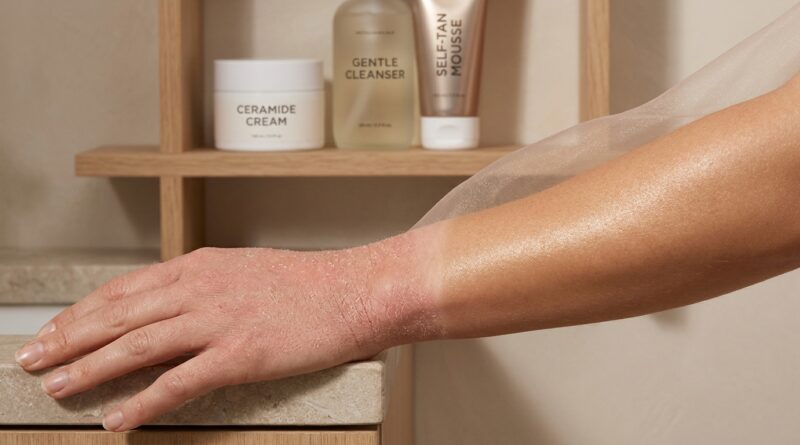
New ‘Barrier-First Glow’ Rule: How To Protect Your Skin’s Fence Before You Fake Tan Again
You did the prep. You shaved, scrubbed, moisturized, applied self tanner carefully. Then your “glow” turned patchy, stung like crazy, or settled into every dry line by morning. That is frustrating, and it often gets blamed on the tanner itself. But a lot of the time, the real problem is your skin barrier. Think of it as your skin’s fence. When that fence is strong, self tanner goes on more evenly and your skin holds onto moisture better. When it is damaged, color can grab in weird places, burn on contact, and leave you looking dry instead of bronzed. That is why skin barrier and self tanner safety belong in the same conversation. Before you chase a deeper tan, it helps to ask a simpler question first. Is your skin calm enough, hydrated enough, and intact enough to handle another round of exfoliation, shaving, acids, and DHA?
⚡ In a Hurry? Key Takeaways
- A smooth fake tan starts with a healthy skin barrier, not more scrubbing.
- If self tanner stings, grabs onto dry patches, or fades unevenly, pause exfoliants and rebuild moisture for a few days first.
- Barrier-first tanning can reduce irritation, patchiness, and the dry, older-looking finish that comes from putting DHA on stressed skin.
Why your skin barrier matters before self tanner
Your skin barrier is the outer layer that helps keep water in and irritants out. When it is working well, skin feels comfortable, looks smoother, and handles products better. When it is damaged, water escapes more easily. That is called transepidermal water loss. You do not need to memorize the term. Just know the result. Tightness. Flaking. Redness. More reactivity. More chance that self tanner will look uneven.
Self tanner, especially formulas that use DHA, reacts with the top layer of skin to create color. If that top layer is rough, over-exfoliated, freshly shaved, or already irritated, the reaction can look blotchy fast. It can also feel much harsher than it should.
That is why skin barrier and self tanner safety go together. A damaged barrier does not just make tanning results uglier. It can make the whole process more irritating.
The signs your barrier is not ready for tanning
You do not need a lab test. Your skin usually tells you.
Common warning signs
If any of these sound familiar, your skin may need a reset before your next tanning session:
- Self tanner stings or burns on application
- Your face looks drier and older the next morning
- Color clings to pores, acne marks, or flaky spots
- Your tan fades in speckles instead of evenly
- Skin feels tight after cleansing
- You have redness, itching, or shiny irritated patches
If you are seeing two or three of those at once, stop blaming your tanning mitt. Your skin may be asking for a break.
What usually damages the barrier before a fake tan
This is where a lot of people get tripped up. They think more prep means better results. Sometimes it means the exact opposite.
Over-exfoliating
Using a scrub, then an acid pad, then a “glow peel” the night before tanning is not careful prep. It is overkill. You are thinning and irritating the very surface the tanner needs to sit on evenly.
Shaving too close to application time
Fresh shaving can leave micro-irritation behind, even if you do not see cuts. Put self tanner on immediately after, and you may feel that sting.
Stacking strong actives
Retinoids, AHAs, BHAs, benzoyl peroxide, and strong vitamin C formulas can all make skin more reactive, especially if used together. Add self tanner on top, and stressed skin may show it fast.
Hot showers and harsh cleansers
These strip oils and increase dryness. If your skin already feels squeaky after washing, that is not a win. It often means your barrier is losing support.
The barrier-first glow rule
Here is the simple rule. Before you fake tan again, make sure your skin is calm, hydrated, and not freshly irritated. If it is not, spend a few days repairing first.
Step 1: Pause the “attack” products
For at least two to three days before tanning, consider scaling back on:
- Retinoids
- Exfoliating acids
- Physical scrubs
- Peels
- Strong acne spot treatments on the areas you plan to tan
If your skin is already stinging or flaky, you may need a longer pause.
Step 2: Use a boring moisturizer
Boring is good here. Look for a simple cream or lotion with ingredients like ceramides, glycerin, hyaluronic acid, petrolatum, squalane, or colloidal oatmeal. Fragrance-free is often a smart move if your skin is touchy.
The goal is not to make skin greasy. It is to make it stable.
Step 3: Time shaving earlier
Try shaving at least 12 to 24 hours before self tanner, especially if you usually get razor sensitivity. That gives skin time to calm down.
Step 4: Stop chasing “ultra smooth” with more exfoliation
You want gentle smoothing, not a full resurfacing project. If your skin is already soft and even, do not keep scrubbing just because a tanning guide from 2016 told you to.
Step 5: Patch test if your skin is reactive
If you have sensitive skin, eczema, recent irritation, or a new product, test a small area first. It is a low-effort step that can save you a lot of regret.
How to prep without wrecking your face or body
There is a sweet spot between “did nothing” and “sanded my own skin down.” That is the spot you want.
Better prep routine for the body
- Two days before, use a gentle exfoliating wash or soft cloth if needed
- Moisturize daily, especially knees, elbows, ankles, and hands
- Shave the day before, not right before
- Skip strong body acids or scrubs if skin feels dry or stingy
Better prep routine for the face
- Keep cleansing gentle
- Pause retinoids and acids for a short window before application if you are prone to irritation
- Use a basic moisturizer to support the barrier
- Apply tanning drops to skin that feels calm, not raw
If you are pregnant and trying to sort through extra caution around ingredients, it is worth reading New ‘Pregnancy-Safe Glow’ Rule: What Today’s Sunless Tanner Science Really Says About Bumps, Babies And DHA, which breaks down the questions many people have about DHA and safer sunless tanning habits.
What to do if self tanner burns or goes patchy
First, do not power through and apply another layer. That usually makes things worse.
If it burns
Wash it off if the sensation is strong or keeps building. Then go back to basics. Gentle cleanser. Plain moisturizer. No acids. No retinoids. No scrubs. If irritation is severe, widespread, or includes swelling, get medical advice.
If it goes patchy
Patchiness often means the skin surface was uneven to begin with. Focus on moisture and barrier repair before trying again. Once the skin is comfortable, then do a lighter, more controlled reapplication.
If your face looks older after tanning
This is more common than people admit. DHA can make dryness more obvious, especially on skin that is already dehydrated. That “aged overnight” look is often less about color and more about moisture loss and rough texture showing through.
Barrier-first is also about long-term skin health
This is the part people miss. A compromised barrier does not just make one bad tanning night. It can leave skin more sensitive over time. It may react more strongly to cosmetics, weather, and UV exposure too.
That matters in summer, when many people are doing all the things at once. More actives. More shaving. More peels. More tanning. More sun. That is a lot for one layer of skin to manage.
A barrier-first approach is not about being fussy. It is about getting better results with less irritation. That is the practical win.
Simple rules for skin barrier and self tanner safety
- If skin is stinging, flaky, red, or tight, do not tan that day
- Do not stack scrubs, acids, retinoids, shaving, and self tanner in one short window
- Moisturized skin tans better than stripped skin
- Gentle prep beats aggressive prep
- Patch test if you are sensitive or trying a new formula
- Protect your skin from the sun anyway, because self tanner is color, not UV protection
At a Glance: Comparison
| Feature/Aspect | Details | Verdict |
|---|---|---|
| Prep style | Gentle cleansing, light exfoliation only if needed, steady moisturizing, no last-minute harsh actives | Best for smoother, more even color |
| Damaged barrier signs | Stinging, flaking, redness, tightness, patchy fade, dry lines showing more | Pause tanning and repair first |
| Safety payoff | Less irritation, lower chance of blotchiness, better comfort, healthier-looking skin over time | Barrier-first is the smarter routine |
Conclusion
The best fake tan advice this summer might be the least flashy. Protect your skin before you color it. There is a lot of new skin science around barrier integrity, transepidermal water loss, and the way damaged skin reacts more intensely to UV and cosmetic stress. What is missing in most consumer advice is the link to sunless tanning habits. A barrier-first playbook fills that gap. It explains why your current routine keeps stinging or flaking, shows you how to rebuild a more resilient surface before applying DHA, and helps future-proof your glow against dryness, sensitivity, and that worn-out look nobody wants. If people are piling retinoids, acids, peels, shaving, and self tanner onto the same skin, the smartest move is not another layer of bronze. It is making sure the fence underneath is still standing.