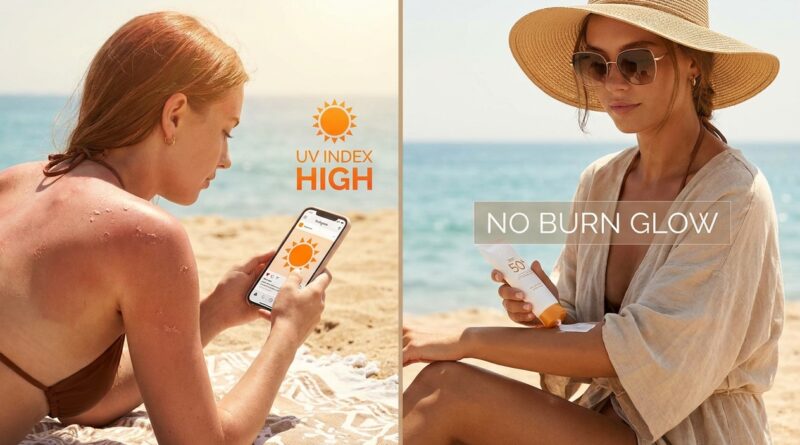
New ‘Tanmaxxing Warning’ Rule: Why Dermatologists Say Chasing A “Base Burn” Is The Riskiest Trend Of 2026
If your feed has suddenly filled up with “tanmaxxing” tips, you are not imagining it. The trend is basically telling people to get just shy of a burn, or even accept a little redness, so they can build a darker “base tan” faster. That is a scary message, especially if you love bronzed skin and do not want to feel shamed for it. A lot of the coverage so far has been very dramatic and not very useful. You hear “never do this,” but not “okay, then what should I do instead if I still want color?” Here is the simple version. Dermatologists are warning that chasing a base burn is not a shortcut to a better tan. It is skin damage. And that damage can show up as faster wrinkles, patchy pigment, stubborn dark spots, and a higher skin cancer risk. The good news is you do not have to choose between glow and common sense.
⚡ In a Hurry? Key Takeaways
- Tanmaxxing is risky because a “base burn” is still skin injury, not a smart tanning hack.
- If you want deeper color, use gradual self-tanner or spray tan for most of the depth, then keep real sun exposure short and protected.
- The safest glow-friendly plan is simple: SPF, limited peak-sun time, barrier-safe skin prep, and sunless tanning to fill in the rest.
What the new tanmaxxing warning is really about
“Tanmaxxing” sounds like a cute internet label, but the idea behind it is old. It is the belief that pushing your skin hard at the start of the season gives you a darker, longer-lasting tan later.
Dermatologists keep saying the same thing because the biology has not changed. A tan is your skin responding to UV damage. A sunburn is a stronger sign of that same damage. So when people talk about getting a “base burn,” they are dressing up skin injury as a beauty routine.
That is why the new tanmaxxing warning matters. It is not anti-glow. It is anti-damage.
Why “base burn” is such a bad trade
It does not protect your skin the way people think
A so-called base tan offers very little protection. It is nowhere near the protection of sunscreen, clothing, shade, or limiting your exposure in the first place.
In plain English, a light tan is not a free pass. You can still burn. You can still rack up UV damage. And you can still end up with uneven color.
It can age your skin faster
This is the part a lot of tan lovers do care about. Repeated overexposure breaks down collagen and can leave you with fine lines, rough texture, crepey skin, and a leathery look earlier than you expected.
People often chase a rich golden tone and end up with something very different over time. Think blotchiness, sun spots, and texture that makeup and self-tanner cannot fully hide.
It can trigger stubborn pigment problems
Once your skin gets inflamed from too much sun, it may not “tan evenly.” It can overreact. That is when dark patches, post-inflammatory marks, and patchy fading start to show up.
Ironically, the harder you push your skin, the less polished your final color can look.
Yes, the cancer risk is the serious part
It is worth saying plainly. Deliberate overexposure raises your skin cancer risk. You do not have to be burned to a crisp for damage to count. Frequent “just a little too much” still adds up.
Why this trend is so tempting
Because it promises speed. That is really it.
If you love the look of tanned skin, a trend that says “do this one intense thing now and get better color later” is going to sound efficient. Add TikTok confidence, a few before-and-after clips, and people start treating skin like it is a gym program.
But skin is not a muscle. It does not get stronger by being injured.
A realistic, glow-friendly plan instead
If you are searching for tanmaxxing sunless tanning safety advice, this is the middle path. You do not need to swear off every sunny afternoon. You just need to stop relying on UV damage to create most of your color.
1. Let sunless tanning do the heavy lifting
If your goal is depth, use gradual tanner, mousse, drops, or a spray tan to build your base shade. That gives you control without forcing your skin through repeated stress.
This is the easiest switch that still respects the aesthetic. You can stay bronze-looking while cutting down the amount of real sun you need.
2. Keep real sun exposure short and intentional
If you enjoy being outside, fine. Just stop treating redness like progress.
A smarter routine looks like this:
- Avoid trying to tan during the harshest midday hours.
- Wear broad-spectrum SPF 30 or higher, and reapply properly.
- Use a hat, sunglasses, and shade breaks.
- End the session before your skin feels hot, tight, or pink.
If your skin is turning pink, your “tanning session” has already gone too far.
3. Prep your skin gently
One reason people overdo sun is that they hate patchy fake tan and think real tanning looks easier. But rough prep can make self-tanner look worse than it needs to.
That is why it helps to read New ‘Barrier-Safe Tan Prep’ Rule: Why You Must Stop Over-Exfoliating Before Self‑Tanner In 2026. If your skin barrier is irritated, both sun and self-tanner can look more uneven.
4. Build color in layers, not in one punishing weekend
This is the habit that saves most people from bad decisions. Instead of trying to get dramatically darker in two days, build your look slowly.
For example:
- Use gradual tanner 2 to 4 nights a week.
- Top up with a mousse or spray tan before an event.
- Let natural outdoor time be a bonus, not the main strategy.
That gives you that “I have color” look without gambling with a burn.
How to tell if your routine has crossed into tanmaxxing territory
Ask yourself these questions:
- Am I treating redness as part of the plan?
- Am I skipping or underusing SPF because I want to tan faster?
- Am I staying in the sun longer than is comfortable to “lock in” color?
- Am I believing that one rough exposure will save me time later?
If the answer is yes to any of those, you are not “optimizing” your tan. You are just stacking up damage.
What to do if you already got burned trying this
First, stop all tanning. Real and fake. Give your skin a chance to calm down.
- Get out of the sun right away.
- Cool the skin with a cool shower or compress, not ice directly on skin.
- Use a gentle, fragrance-free moisturizer.
- Drink water.
- Do not exfoliate, scrub, or apply active ingredients on irritated areas.
If you have blistering, severe pain, fever, dizziness, or a large area affected, contact a medical professional.
And if you are planning self-tanner after a burn, wait. Applying it over angry, peeling skin usually looks worse and feels worse.
The smartest beauty mindset shift for 2026
The old idea was, “How dark can I get from the sun?”
The better question is, “How good can my color look while keeping UV damage as low as possible?”
That shift matters because healthy-looking skin almost always looks more expensive than overcooked skin. Smoother texture, more even pigment, and fewer dry rough patches make every kind of tan look better, including a fake one.
At a Glance: Comparison
| Feature/Aspect | Details | Verdict |
|---|---|---|
| “Base burn” tanning | Relies on deliberate overexposure and often treats redness as normal progress. | High risk, not worth it. |
| Protected natural sun time | Shorter outdoor exposure with SPF, shade breaks, and no chasing a burn. | Safer, but still should be limited. |
| Sunless tanning routine | Uses gradual tanner, mousse, or spray tan for depth while reducing UV exposure. | Best option for glow plus skin safety. |
Conclusion
Tanmaxxing stories are everywhere right now, and a lot of the advice is all alarm and no plan. That is not helpful when you genuinely love the look of bronzed skin. The practical answer is not “give up glow forever.” It is to stop letting sun damage do the main job. A base burn is not a beauty trick. It is skin injury that can speed up wrinkles, trigger pigment issues, and increase cancer risk. If you want color, let sunless tanning create most of the depth, keep real sun exposure protected and limited, and treat your skin barrier kindly. That way you can step away from a harmful trend without feeling judged, scared, or pushed into an all-or-nothing choice. You can still look golden. Just do it smarter.