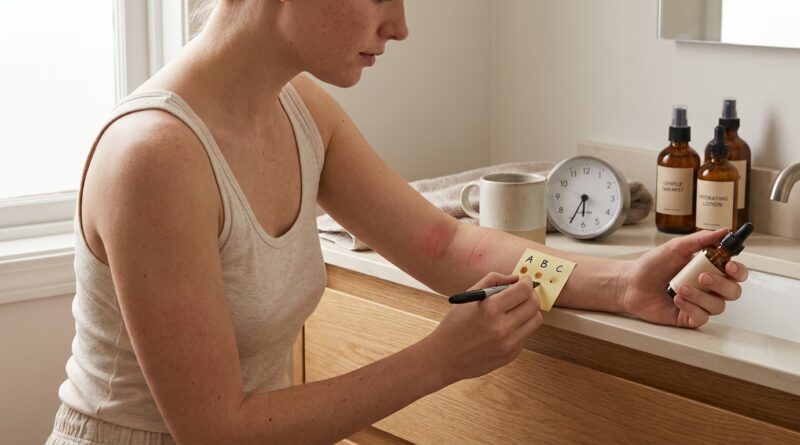
New ‘Allergy-Smart Tan’ Rule: How To Patch-Test Your Fake Tan Like A Dermatologist Before It Touches Your Skin
Your “trusted” self tanner suddenly making you itch, sting, or break out is maddening. You did not switch laundry detergent. You did not roll in poison ivy. And yet the same mousse you used last summer now leaves angry red patches. That can happen. Skin changes. Formulas change. Your barrier can get weaker after eczema flares, shaving, exfoliating, retinoids, or even a lot of sun. The good news is you do not need a dermatology degree to do a smart self tanner allergy patch test at home. You just need a clean spot of skin, a little patience, and a simple plan. Think of it like testing a new recipe before serving it to a crowd. A small trial can save your whole trip, wedding week, or beach weekend from turning into an itchy mess. Here is the safest way to patch-test fake tan before it goes anywhere near your full body.
⚡ In a Hurry? Key Takeaways
- A self tanner allergy patch test means applying a small amount to one discreet area and watching for stinging, redness, bumps, swelling, or delayed rash for up to 48 hours.
- Test on intact skin, not freshly shaved, scrubbed, sunburned, or eczema-broken skin, and repeat the test if the formula is new or your skin has changed.
- If you get hives, facial swelling, blistering, or a fast-spreading rash, stop using it and get medical help instead of trying to “push through.”
Why your old fake tan may suddenly bother your skin
This is the part that throws people. They assume an allergy only happens the first time. Real life is messier.
You can react to a self tanner after years of no trouble because a few things may have changed. The brand may have tweaked fragrance, preservatives, botanical extracts, or bronzing dyes. Your skin barrier may be more irritated from eczema, over-exfoliating, acne treatments, or dry weather. Even a “hydrating” self tanner can cause contact dermatitis if one ingredient does not agree with you.
That is why dermatologists and eczema specialists keep reminding patients to treat cosmetics, moisturizers, and add-on products as possible triggers too. “Gentle” on the label is nice, but it is not a guarantee.
What a proper self tanner allergy patch test actually is
A patch test at home is not slapping a little on your wrist for five minutes and calling it good. It is a short, controlled trial on a small patch of skin using the exact product and the exact way you plan to use it.
You are watching for two kinds of trouble:
- Immediate irritation. Burning, stinging, itching, redness, or warmth within minutes to hours.
- Delayed reaction. A rash, hives, dry scaly patches, swelling, or eczema flare that shows up 24 to 48 hours later.
If you want a quick pre-check before doing the longer version, our guide to the New ‘Invisible Patch Test’ Rule: The 5‑Minute Safety Check Every Self‑Tanner Should Do Before A Full‑Body Glow is a useful first filter. But if your skin is reactive, eczema-prone, or you have already had one strange tan rash, do the full 48-hour check below.
How to patch-test your fake tan like a dermatologist would want you to
Step 1: Pick the right test spot
Use a small area where the skin is fairly similar to where you will tan, but easy to hide. Good options include:
- Inner forearm
- Side of the neck below the jawline, if you tan your face or neck
- Behind the knee
- Outer hip or side of the torso
Avoid broken, scratched, sunburned, freshly shaved, or actively eczema-flaring skin. You want a fair test, not a guaranteed irritation fest.
Step 2: Start with clean, dry skin
Wash the area with a bland cleanser if needed, then dry it well. Do not apply perfume, acids, retinol, thick body butter, or steroid cream right before testing unless your doctor told you to.
If you normally use a barrier moisturizer before tanning because your skin is dry, test both ways on two tiny spots. One with your usual prep. One without. Sometimes the self tanner is fine, but the combo is the problem.
Step 3: Apply a small amount exactly as directed
Use the same product form you plan to use on your body. Mousse, drops, mist, lotion, serum. Put on a pea-size amount over about a one-inch patch. Do not rub it all over your arm. Let it dry.
If the product requires a mitt or mixing with moisturizer, do it the normal way. A patch test only helps if it matches real use.
Step 4: Leave it alone
Do not scrub the spot. Do not cover it with a tight bandage unless the product instructions say otherwise. Loose clothing is fine.
Then watch for:
- Burning or stinging right away
- Itching that keeps building
- Redness that spreads past the test area
- Raised bumps, welts, or tiny blisters
- Dry, rough, cracked skin the next day
Step 5: Wait the full 24 to 48 hours
This is the step people skip. Some reactions are delayed. A product can look fine the first evening, then wake up your eczema the next morning.
Check the spot at:
- 30 minutes
- 8 hours
- 24 hours
- 48 hours if you have sensitive or eczema-prone skin
No reaction. Good sign. It does not promise perfection, but it lowers the odds of a full-body surprise.
What counts as a failed patch test
Do not talk yourself out of what your skin is telling you.
A failed self tanner allergy patch test includes:
- Persistent stinging or burning
- Red, itchy rash
- Hives or welt-like bumps
- Swelling
- Blistering
- Eczema-style rough, flaky, inflamed patches
If that happens, wash the area gently with lukewarm water and stop using the product. Take a photo. Save the ingredient list. If the reaction is mild but not going away, ask a pharmacist, primary care doctor, or dermatologist what to use next. If you get facial swelling, trouble breathing, widespread hives, or a severe fast-moving rash, get urgent medical help.
Common triggers hiding in self tanners
Many people blame DHA because it is the best-known tanning ingredient, but the troublemaker is often something else in the formula.
Possible triggers include:
- Fragrance or parfum
- Essential oils and botanical extracts
- Preservatives
- Bronzers or color guides
- Adhesives or resins in sprays
- Added skincare actives
If one product suddenly starts causing trouble, compare its ingredient list with an older product your skin tolerated well. You do not need to become a chemist. Just look for obvious changes like new fragrance, plant extracts, or “bonus” anti-aging ingredients.
If you have eczema, rosacea, or very reactive skin
Go slower than everyone else. Really.
Use the two-night rule
Patch-test on one small spot. Wait 48 hours. If fine, test a slightly larger area on another body part before doing a full application.
Do not test right after skin stress
Skip patch-testing right after:
- Shaving or waxing
- Scrubs or exfoliating acids
- Sunburn
- Retinoids
- An active eczema flare
Keep the rest of your routine boring
When you test, do not also try a new body lotion, body wash, or perfume. If your skin reacts, you want a clean suspect list.
Can you patch-test tanning drops mixed with moisturizer?
Yes, and you should test them mixed with the exact moisturizer you plan to use. That matters because your skin may be reacting to the combination, not just the drops alone.
If you already know your moisturizer is safe, do one tiny spot with moisturizer only and another with the moisturizer-plus-drops mix. It is a simple way to narrow down the problem.
When to re-test, even if the product used to be safe
Re-test if:
- You opened a new bottle after a long time
- The label says “new formula” or “improved”
- Your skin barrier has been rough lately
- You started eczema, acne, or anti-aging treatments
- You had a weird rash from any cosmetic recently
- You are using it before a holiday, wedding, or big event
Yes, it feels tedious. It is still less tedious than spending vacation covered in itchy orange blotches while hunting for a pharmacy.
What to do if you still want a tan but keep reacting
You still have options.
- Try a simpler formula with fewer extras.
- Avoid strong fragrance and heavy botanical blends.
- Test a clear formula if bronzers seem to bother you.
- Consider tanning one area only first, like legs.
- Ask a dermatologist about formal allergy testing if reactions keep happening.
Repeated rashes are worth taking seriously. Sometimes the issue is not “fake tan” in general. It is one specific ingredient family your skin has decided it is done with.
At a Glance: Comparison
| Feature/Aspect | Details | Verdict |
|---|---|---|
| Quick spot check | Small amount on one discreet area, watched for immediate stinging or redness | Good first screen, but not enough for very sensitive skin |
| Full 24 to 48 hour patch test | Tests for both fast irritation and delayed rash or eczema flare | Best choice before full-body use |
| Testing on irritated skin | Freshly shaved, scrubbed, sunburned, or broken skin can give false trouble and bigger reactions | Avoid completely |
Conclusion
A careful self tanner allergy patch test is one of those small chores that can save you a huge headache. Allergic reactions to self tanners and contact dermatitis style rashes are showing up more often in tanning and eczema circles, and doctors are paying closer attention to cosmetic ingredients, moisturizers, and “harmless extras” as possible triggers. The smart move is not to panic or swear off every sunless product forever. It is to test like a pro, on a small area, on calm skin, with enough time to catch delayed reactions before your trip or big event. That simple habit can help you avoid ruined holidays, urgent dermatology visits, and the fear that every fake tan is now off-limits. You can still go for a glow. Just make your skin vote first.