New ‘Tanmaxxing Wake‑Up Call’ Rule: How To Protect Your Skin When Social Media Pushes You To Go Darker And Darker
Your feed can make it feel like everyone is suddenly trying to get darker, faster, and somehow more “natural” about it. That is frustrating, especially when the tanmaxxing tanning bed trend safety advice online is all over the place. One post says a base tan is smart. Another says tanning beds are back. Then a dermatologist pops up and says any UV tan is skin damage. No wonder people are confused.
Here is the plain-English version. If you want that sun-kissed look, you do not need to gamble with your skin to get it. The fresh wave of tanmaxxing content is pushing old myths in a new outfit, and some of it can lead people straight back to habits doctors have warned about for years. You can still look glowy, feel confident, and stay in control. The trick is knowing which advice is marketing, which advice is nostalgia, and which advice actually protects you five, ten, or twenty years from now.
⚡ In a Hurry? Key Takeaways
- Any UV tan, whether from the sun or a tanning bed, is a sign your skin has been damaged.
- If you want color, use self-tanner, gradual tanning lotion, SPF 30+ or higher, and protective clothing instead of chasing a “base tan.”
- Social media trends can make risky habits look normal. Your safest glow is the one that does not raise your long-term skin cancer risk.
Why “tanmaxxing” is getting attention again
The trend is simple on the surface. Get darker. Get there faster. Treat tanning like a beauty goal you can optimize.
That is where the problem starts. Social posts often frame a deep tan as healthy, effortless, or more “real” than a bottle tan. Some even revive old tanning bed talk as if we learned nothing the first time around.
But dermatologists have been pretty clear for years. A tan from UV exposure is not your skin “getting healthier.” It is your skin reacting to injury by producing more pigment.
The big myth to drop right now
“A base tan protects me”
This one keeps coming back because it sounds logical. Get a little tan now, avoid burning later. The trouble is that a base tan is still damage. It does not give you a free pass in the sun, and it does not make tanning beds safe.
If you have heard someone say, “I only go for a few minutes,” that does not change the basic issue. UV exposure adds up over time. Short sessions done often are still exposure.
“Tanning beds are controlled, so they are safer”
That is another trap. Controlled does not mean harmless. Tanning beds still expose skin to UV radiation. The setting may be indoors and scheduled, but the risk does not disappear because it is in a salon instead of at the beach.
What experts actually worry about
The reason this matters is not just wrinkles or dark spots, though those are real too. The bigger concern is long-term skin damage and higher skin cancer risk, including melanoma.
That can sound dramatic when you are just trying to look nice for summer photos. But this is exactly why trend cycles matter. Social media can make a risky habit feel casual, fun, and normal again before people stop to think about what it is asking their skin to absorb.
How to get the glow without the gamble
Use fake tan like a tool, not a backup plan
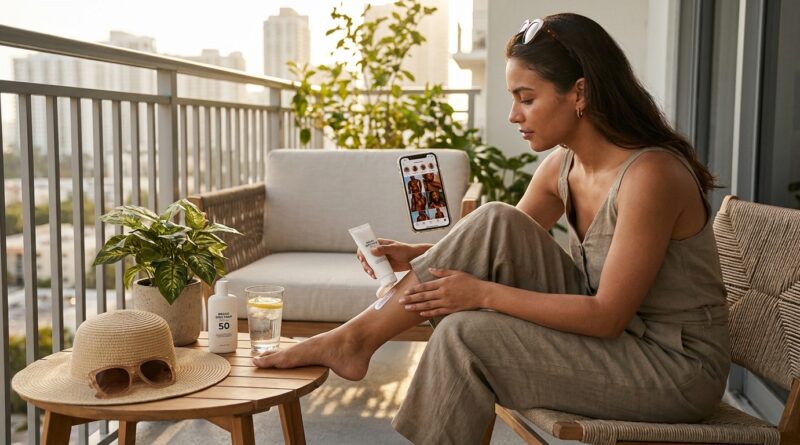
If you want color, self-tanner is still the safest route. Today’s formulas are much better than the orange streak disasters people remember. Gradual tanning lotions, mousse, and drops can all give you a believable glow.
A few basics help:
- Exfoliate dry areas like knees, elbows, and ankles first.
- Moisturize those same spots lightly so they do not grab too much color.
- Apply in good lighting.
- Wash your hands right after, or use a mitt.
- Start lighter than you think you need. You can always build it up.
Keep using sunscreen, even if you are using self-tanner
This part trips people up. Self-tanner changes how your skin looks. It does not protect it from UV rays. If you are tan from a bottle, you still need sunscreen every day you are out in the sun.
Look for broad-spectrum SPF 30 or higher. Reapply if you are swimming, sweating, or spending a long time outside.
Pick “glow” products that do not ask your skin to suffer
There is nothing wrong with wanting to look more bronzed. Body bronzers, tinted SPFs, gradual tanners, and luminizing lotions can all scratch that itch without pushing you into risky UV habits.
A simple script when friends push tanning
Sometimes the hardest part is not the trend itself. It is the social pressure around it.
Try one of these:
- “I still want the glow, I’m just doing it without UV.”
- “I switched to self-tanner. Less damage, same vibe.”
- “I am skipping tanning beds. My skin does not need the drama later.”
- “I’m good with SPF and a bottle tan. That works for me.”
You do not owe anyone a debate. A short answer is enough.
How to spot bad advice on your feed
Red flags to watch for
- Claims that tanning beds are a “safe” way to prepare for vacation.
- Posts saying a burn is the only thing that counts as damage.
- Advice that treats very dark tanning as a wellness routine.
- Creators selling a look first and talking about risk later, if at all.
A good rule is this. If the advice sounds like it is trying to talk you out of sunscreen, caution should kick in fast.
The wake-up call rule to remember
If a trend asks you to trade long-term skin health for short-term color, stop there.
That is the new rule worth keeping in your head. A trend does not get safer because it is popular again. Nostalgia is powerful. Filters are powerful. Groupthink is powerful. UV rays do not care.
What to do if you already tan a lot
Do not panic. Just change course now.
- Stop using tanning beds.
- Start daily broad-spectrum SPF.
- Use hats, shade, and UPF clothing when you can.
- Check your skin for new or changing moles.
- Book a dermatologist visit if something looks different, itchy, bleeding, or unusual.
This is not about shame. It is about getting better information and making a better next choice.
At a Glance: Comparison
| Feature/Aspect | Details | Verdict |
|---|---|---|
| UV tanning | Includes sunbathing and tanning beds. Gives a real tan by exposing skin to UV radiation. | Not safe. Any UV tan means skin damage. |
| “Base tan” idea | Often sold as a way to prevent burning before a trip or summer season. | Misleading. It is still damage and not reliable protection. |
| Self-tanner and bronzing products | Add color without UV exposure. Includes mousse, drops, gradual lotions, and cosmetic bronzers. | Best option for a glow, but still pair with sunscreen. |
Conclusion
The tanmaxxing tanning bed trend safety question has a pretty clear answer once you cut through the noise. A deeper UV tan is not a health habit. It is skin damage dressed up as a beauty goal. With social feeds normalising dark tans and even reviving tanning bed talk, it is easy to feel pulled in two directions. You want the glow, but you do not want the long-term cost. The good news is you do not have to choose between safety and confidence. Skip the UV, keep the SPF, use self-tanner if you want color, and let trends be trends. Your future skin will thank you for not letting a scroll decide what your body has to pay for later.