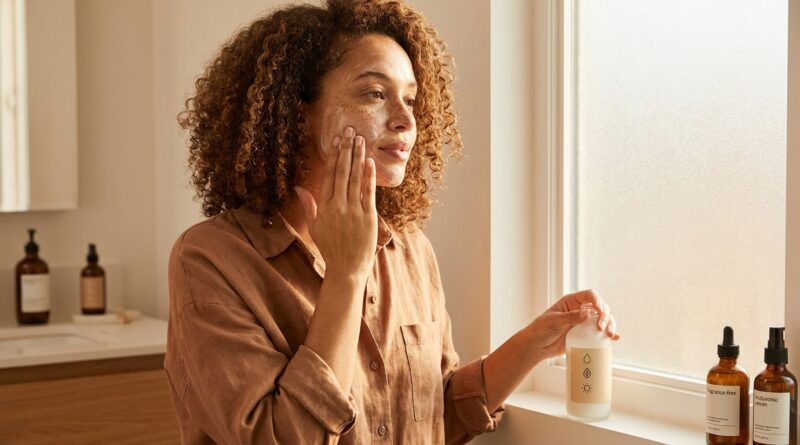
New ‘Self‑Tanner Age-Proofing’ Rule: How To Get A Bronze Glow Without Quietly Speeding Up Wrinkles
You switched to self-tanner to avoid sun damage. Fair. Then you notice your chest looks a little crepey, the lines around your mouth seem sharper, or your face gets that tight, papery feeling a day after application. That is frustrating, especially when you were trying to do the smart thing. The short answer to the question does self tanner age your skin is no, not in the same way UV tanning does. Self-tanner does not damage collagen like the sun or tanning beds. But some formulas, plus some very common habits, can dry out the top layer of skin enough to make fine lines, rough texture, and dark patches look worse. That is the part people are finally talking about. The good news is you do not need to give up your glow. You just need a better rulebook for picking formulas, prepping skin, and protecting your barrier so your tan looks fresh instead of thirsty.
⚡ In a Hurry? Key Takeaways
- Self-tanner does not age skin like UV exposure, but drying formulas and overuse can make wrinkles, creasing, and uneven tone look more obvious.
- Pick hydrating formulas, avoid applying strong acids or retinoids right before tanning, and moisturize dry zones like the eyes, hands, knees, and chest.
- If your skin stings, breaks out, or gets patchy easily, a gentler option may help more than piling on more color.
Does self tanner age your skin?
Not directly in the way sunlight does.
Real tanning from UV rays speeds up collagen breakdown, creates dark spots, and increases skin cancer risk. Self-tanner works differently. The main active in many products, DHA, reacts with amino acids in the very top layer of dead skin cells to create color. That means it is mostly a surface effect.
So why do people feel like their skin suddenly looks older?
Because dry, irritated, over-processed skin shows every little line more clearly. A self-tanner can reveal texture the same way matte foundation can. If the formula is drying, if you are exfoliating too hard, or if you keep layering product over dehydrated skin, the result can be a bronze glow with a side of creasing.
The new age-proofing rule
Treat self-tanner like makeup for your skin tone, not skincare for your skin health.
That sounds simple, but it matters. A lot of people assume “safer than the sun” means “automatically skin-friendly.” It does not. You still have to protect your barrier, keep inflammation low, and avoid habits that leave skin parched.
What this rule means in real life
Use self-tanner to add color. Then build a separate routine around hydration, barrier repair, and sun protection. If you ask one product to do everything, your skin usually loses.
Why some self-tanners make skin look older
1. Drying ingredients
Many mousses and fast-dry formulas use a lot of alcohol so they feel light and set quickly. That can be helpful if you hate sticky products, but it can also pull moisture from already dry skin.
The places that show this fastest are predictable. Around the eyes. Around the mouth. The neck. The chest. Hands, elbows, knees, and ankles too.
2. Too much exfoliation
People often scrub hard before tanning because they want an even result. Then they use acids after tanning to “fix” patchiness. That one-two punch can leave skin irritated and thin-feeling.
Gentle exfoliation helps. Aggressive exfoliation does the opposite.
3. Layering over a compromised skin barrier
If your face is already stingy from retinoids, acne products, or weather changes, self-tanner can tip it over the edge. Redness and dehydration can make your skin look older even if the tan itself is even.
4. Darkening dry patches and spots
Self-tanner grabs onto thicker, drier skin. It can also deepen the look of old acne marks, rough patches, and uneven pigment. That is not aging in the true sense, but it can make discoloration and texture stand out more.
How to choose a self-tanner that is kinder to skin
Look for hydrating support
Good signs include glycerin, hyaluronic acid, squalane, aloe, ceramides, or nourishing oils in the formula. These do not erase every problem, but they usually help offset that tight, dry finish.
Be careful with “extra strong” and “express” labels
Darker and faster formulas can be great for color payoff, but they are often the ones people overapply. If your skin is dry or reactive, start with gradual tanning lotion or drops you can mix into moisturizer.
Fragrance matters if you are sensitive
Some people react more to the fragrance or preservative system than to the tanning active itself. If your face stings or your chest gets itchy, it may be worth trying a gentler route like the one covered in New ‘DHA‑Free Tan’ Rule: The Sensitive-Skin Safe Glow Trend That Finally Skips The Smell, The Hives And The Guesswork.
The dermatologist-aligned prep routine
Step 1: Exfoliate lightly, not aggressively
Use a soft washcloth, a mild scrub, or a gentle exfoliating body wash the day before. You are just smoothing the surface, not sanding furniture.
Step 2: Moisturize strategically
Before tanning, put a light layer of plain moisturizer on the driest zones. Think around the nostrils, under the eyes if you are tanning the face, the neck, chest, elbows, knees, ankles, knuckles, and heels.
This little step can stop color from sinking into lines and dry edges.
Step 3: Skip strong actives right before application
If you use retinoids, benzoyl peroxide, strong exfoliating acids, or prescription acne treatments, avoid using them right before self-tanner on the same area unless your dermatologist has told you otherwise. These can increase irritation and make the result uneven.
How to apply self-tanner without emphasizing wrinkles
Use less product than you think
Most self-tanner mistakes come from too much product, not too little. Thin, even layers age better visually than one heavy coat.
Do not tan the eye area like the rest of the face
The skin around the eyes is thinner and drier. If you want color there, use what is left on your mitt or fingers after doing the rest of the face. Same goes for lip lines.
Buff the chest carefully
The chest is one of the first places to show sun damage and dehydration. That means it is also one of the first places where self-tanner can look crepey. Mix a drop or two of tanning serum into moisturizer for this area instead of applying a dark mousse straight from the bottle.
Wash hands early and moisturize after
Dry hands plus leftover tanner can create a much older-looking finish than your face or body. Wash palms and nail edges right after application, then use hand cream once the guide color is set.
What to do after tanning so skin stays plump
Moisturize every day
If you remember one thing from this whole piece, make it this. A self-tan lasts better and looks younger on hydrated skin. Use a simple lotion morning and night, especially on the chest and legs.
Do not chase fading with constant reapplication
When a tan starts to break up, many people add more on top. That can make texture, pores, and dryness look worse. It is usually better to let it fade, do a gentle reset, and start fresh.
Still wear sunscreen
This is a big one. Self-tanner gives color, not protection. If you skip SPF because you already look tan, that is when true photoaging sneaks in.
When self-tanner is probably not the best pick for your face
If your skin is flaky, freshly peeled, irritated, or recovering from a reaction, pause. A little color is not worth weeks of barrier drama.
You may also want to skip face tanning for a few days if you recently used:
- Strong retinoids
- Chemical peels
- Microdermabrasion
- Prescription acne treatments that leave skin dry or stingy
On those weeks, body-only tanning and regular facial skincare is often the smarter compromise.
Common mistakes that quietly age the look of your tan
- Using an alcohol-heavy mousse on already dry skin
- Applying self-tanner right after shaving or exfoliating too hard
- Skipping moisturizer because you think it will block the tan
- Layering tan over flaky skin instead of resetting first
- Tanning over active irritation, eczema, or a damaged barrier
- Forgetting sunscreen because the skin already looks bronzed
At a Glance: Comparison
| Feature/Aspect | Details | Verdict |
|---|---|---|
| UV tan vs self-tan | UV tanning damages collagen and speeds real skin aging. Self-tanner colors the top layer of skin without UV exposure. | Self-tanner is far safer, but it still needs good skin prep. |
| Drying formula vs hydrating formula | Alcohol-heavy or extra-fast products can make fine lines and rough patches stand out. Hydrating formulas help skin look smoother. | Choose moisture-supporting ingredients whenever possible. |
| Frequent layering vs reset-and-reapply | Stacking tanner over fading, patchy skin can deepen texture and uneven tone. Letting it fade, then reapplying, looks cleaner. | A fresh start usually looks younger than constant touch-ups. |
Conclusion
If you have been asking does self tanner age your skin, the honest answer is this. It does not age skin the way the sun does, but it can absolutely make dryness, creasing, and uneven texture look worse if you use the wrong formula or the wrong routine. That is why this new age-proofing rule matters. Keep your glow, but protect your barrier first. Pick gentler, more hydrating products. Go easy on exfoliation. Moisturize like it is part of the tanning process, because it is. And never let a fake tan talk you out of sunscreen. Right now a lot of people are dealing with chest creasing, eye-area dryness, and patchy texture from sunless tanning habits that looked harmless. A few smarter steps can keep your bronze glow working with your long-term skin goals, not against them.