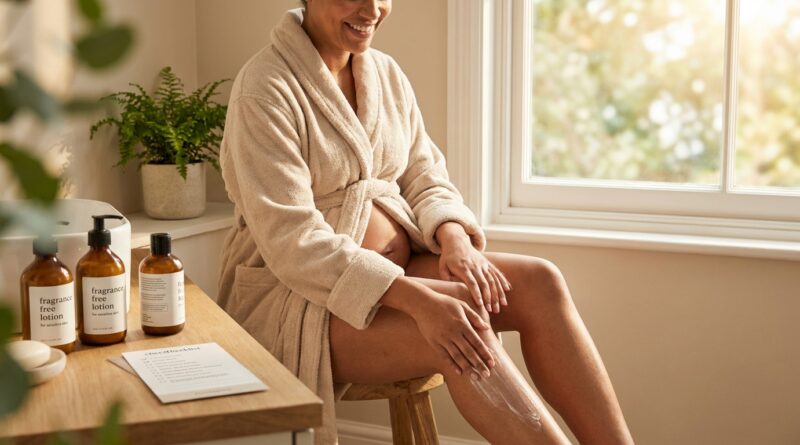
New ‘Pregnancy-Safe Glow’ Rule: What Today’s Experts Actually Say About Self-Tanner When You’re Expecting
Pregnancy has a way of making you question everything in your bathroom cabinet. The face wash. The dry shampoo. The perfume. And yes, the self-tanner you used without a second thought last summer. If you are googling is self tanner safe during pregnancy at 11 p.m. while staring at a mousse bottle, you are not overthinking it. You are being careful. The good news is that today’s expert advice is a lot less dramatic than social media makes it sound. Most dermatologists and medical fact sheets now say DHA-based self-tanners are generally considered low risk in pregnancy because the active ingredient mainly reacts with the top layer of dead skin, not deeper living tissue. The bigger concern is how you apply it. Sprays, mists, and anything you could inhale deserve more caution. Lotions, creams, and mousses used in a well-ventilated space are usually the more reassuring choice.
⚡ In a Hurry? Key Takeaways
- Yes, most experts say DHA self-tanner is generally considered low risk during pregnancy when used on intact skin, especially in lotion, cream, or mousse form.
- Skip spray tans, aerosol mists, and anything that could be inhaled. Apply in a ventilated room and wash hands well after.
- Self-tanner is a safer glow option than UV tanning, tanning beds, or trendy shortcuts like tanning drops you drink or inject.
So, is self tanner safe during pregnancy?
For most people, the short answer is yes, with a few sensible precautions.
The ingredient people worry about is usually DHA, short for dihydroxyacetone. That is the colorless sugar compound used in most self-tanners. It works by reacting with proteins in the outermost layer of your skin to create that bronzed look. Experts generally consider topical DHA low risk because it does not appear to be absorbed in meaningful amounts through healthy, intact skin.
That does not mean every tanning product or method gets the same green light. The details matter. A lotion rubbed onto your legs is very different from standing in a booth breathing in a fine mist.
What experts have quietly updated
This is the part many beauty roundups still miss. In recent months, more dermatologist interviews and patient-facing medical guidance have shifted toward a practical message instead of a scary one.
The updated view is basically this. Topical self-tanners are not known to cause harm in pregnancy, and because they sit on the skin’s surface, they are often treated as a reasonable option for people who want color without UV exposure. But caution still applies around inhalation, accidental ingestion, broken skin, and products with extra active ingredients that have less reassuring pregnancy data.
That is a big difference from the older internet advice that lumped all self-tanners together and treated them like a total mystery.
Why sprays and booths get more side-eye
If you remember one thing, make it this. The issue is less about the tan itself and more about where the product goes.
Lotions, creams, and mousses
These are usually the most comfortable choice during pregnancy. You control where they go. You are less likely to breathe them in. You can avoid sensitive areas like your face, lips, and nipples if that feels better to you.
Spray tans and aerosol mists
These are the products experts talk about more carefully. Fine particles can be inhaled, and there is less certainty about what happens when DHA gets into the lungs. That does not mean one spray tan equals danger. It means this route is less studied and easier to avoid.
If you do choose a professional spray tan while pregnant, ask whether they can limit facial spraying, and use nose filters, eye protection, and lip balm as a barrier. But if you want the lower-stress option, a cream or mousse at home is the simpler pick.
Trying to conceive? The advice is basically the same
If you are TTC, the same common-sense rules apply. There is no strong evidence that standard topical self-tanners affect fertility or make conception harder. Most concern still centers on inhaled products and unregulated tanning trends.
That is also why it is smart to steer clear of gimmicks. If you have seen tanning products marketed as edible, injectable, or “inside-out glow” helpers, skip them. We covered that in New ‘Drinkable Tan’ Warning: What Dermatologists Want You To Know Before Sipping Your Glow. Pregnancy is not the time to experiment with products that have murky safety data.
What about breastfeeding?
Breastfeeding advice is usually similar. Topical self-tanner is generally treated as low risk, but be careful about where you apply it.
Avoid putting self-tanner on the nipple or areola area, since that is the skin your baby may directly contact. If you use it on your chest, make sure it is fully dry and covered, and wash the area before feeds if there is any chance of transfer.
Ingredients worth a second look
DHA gets most of the attention, but it is not always the only thing in the bottle.
Fragrance
Not a pregnancy-specific danger for most people, but it can be a nausea trigger. If your sense of smell is suddenly superhero-level, fragrance-free formulas may save your sanity.
Salicylic acid, retinoids, and strong actives
Some “glow” body products mix tanning ingredients with exfoliants or anti-aging ingredients. If a product includes retinoids, skip it during pregnancy unless your doctor says otherwise. Salicylic acid in small amounts is often fine, but there is no reason to pile on unnecessary variables when a basic tanner will do the job.
Essential oils and botanicals
Natural does not always mean simpler. If your skin is more reactive during pregnancy, patch test first. That itchy rash right before maternity photos is not worth it.
How to use self-tanner more safely when pregnant
You do not need a hazmat suit. Just a little strategy.
Choose the right format
Pick a lotion, cream, gel, or mousse instead of an aerosol or spray.
Apply on healthy skin
Avoid broken, irritated, or freshly shaved skin. Tiny cuts can sting, and irritated skin is more unpredictable.
Use a mitt or gloves
This keeps the product where you want it and reduces unnecessary contact on your palms.
Ventilate the room
Open a window or run a fan, especially if the formula has a strong smell.
Keep it away from your mouth, nose, and eyes
This sounds obvious, but face mists make it easy to forget. Cream-based facial tanners are a better choice than airborne products.
Patch test first
Pregnancy skin can become weirdly sensitive. Test a small area 24 hours before full use.
What to avoid completely
Some glow options are easy no-thankses.
- Tanning beds
- Intentional sunbathing for color
- Melanotan or any tanning injection
- Drinkable tanning products or pills with questionable claims
- Spray tanning in poorly ventilated spaces
UV tanning brings real skin cancer risk and can worsen melasma, which pregnancy already loves to stir up. Injections and ingestible tanning products are a whole different level of concern, with poor regulation and much less reassuring safety information.
Questions to ask your OB or dermatologist
If you want a quick, useful conversation with your doctor, ask:
- Is this ingredient list okay during pregnancy or breastfeeding?
- Do you have any concerns about this product format, like spray versus lotion?
- My skin is extra sensitive right now. Is there a bland, low-fragrance option you recommend?
That usually gets you a much better answer than “Can I use beauty products?” which is so broad it tends to invite vague advice.
At a Glance: Comparison
| Feature/Aspect | Details | Verdict |
|---|---|---|
| DHA lotion or mousse | Applies to the top layer of skin, low absorption concern on intact skin, no inhalation issue if used carefully | Generally considered the safest self-tanner format in pregnancy |
| Spray tan or aerosol mist | Can create airborne particles that may be inhaled, especially in booths or small bathrooms | Use more caution, usually less preferred than creams or mousses |
| UV tanning or tanning gimmicks | Includes tanning beds, sunbathing for color, injections, and drinkable products with weak safety backing | Best avoided during pregnancy and TTC |
Conclusion
If you want the simple version, here it is. A basic DHA self-tanner in a lotion, cream, or mousse is generally seen by today’s experts as a reasonable, low-risk option during pregnancy and while trying to conceive. The main thing to avoid is inhaling tanning mist or chasing risky shortcuts. That matters because the advice has quietly become clearer in the last few months, especially for pregnant and breastfeeding people, even though many beauty blogs still sound stuck in the past. A calm, evidence-based approach lets you keep the UV-free glow, skip the panic, and avoid the genuinely sketchy stuff. That is a much better place to land when your body already has enough on its plate.