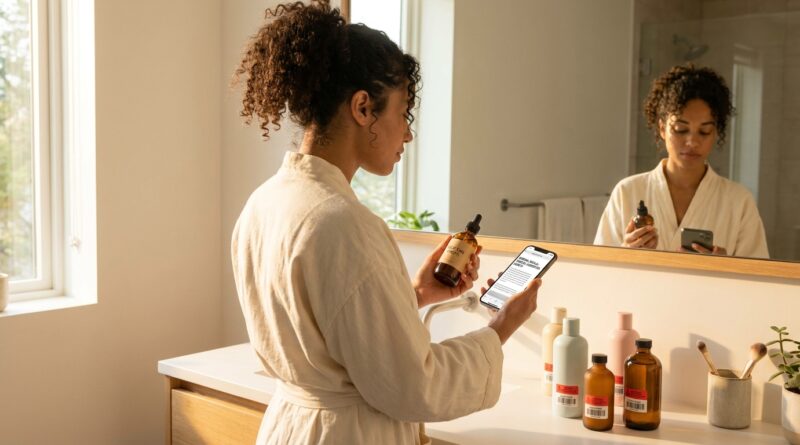
New ‘Banned Bottle’ Rule: How To Check If Your Self‑Tanner Is On A Hidden Recall List Before It Touches Your Skin
You should not have to play detective before using a self-tanner. If a bronzing lotion is sitting on a store shelf or waiting in your Amazon cart, most people assume someone already checked that it was made properly and safe to use. That is why these new warnings are so frustrating. In the last 24 hours, regulators flagged certain moisturizing and bronzing creams as “illegitimate” because of manufacturing concerns and unknown health risks. The problem is, those red flags often do not appear on the product page, the label photo, or the glowing reviews. A quick self tanner recall safety check can help you avoid putting a questionable formula on your skin. The good news is that this does not have to be complicated. You can run through a simple checklist in a few minutes before you apply, especially now, when peak tanning season means new products are showing up and disappearing fast.
⚡ In a Hurry? Key Takeaways
- Do a self tanner recall safety check before buying or applying, especially if the product is from a third-party seller or has vague brand details.
- Check the seller name, lot or batch code, regulator recall databases, and recent retailer notices before the bottle touches your skin.
- If a product seems “illegitimate,” has missing label info, or causes irritation, stop using it right away and keep the bottle for reporting.
What happened, and why people are paying attention
Regulators recently moved against certain moisturizing and bronzing creams described as illegitimate products. That wording matters. It usually means officials have concerns about where the item came from, how it was made, whether it matches approved records, or whether the true health risk is still unknown.
For shoppers, the biggest issue is simple. A pretty listing does not prove a product is clean, tested, or even from the real manufacturer. Counterfeit, diverted, or poorly made cosmetics can look almost identical to the real thing online.
That is why a self tanner recall safety check matters right now. It gives you a pause button before the product goes on your skin.
Your 5-minute self tanner recall safety check
1. Check the exact product name, not just the brand
Recalls and safety alerts are often tied to a specific item, size, scent, shade, or lot code. “Bronzing mousse” may be fine in one version and flagged in another. Look for the full product name on the bottle and compare it with any warning notice word for word.
Do not rely on “close enough.” The details matter.
2. Look for the seller, not just the shopping platform
Amazon, Walmart Marketplace, and other large sites often host third-party sellers. A listing can look official while the seller is not. Check who is actually selling the item. If the seller name is unfamiliar, has very few reviews, or sounds generic, that is a reason to slow down.
A safer bet is buying directly from the brand, a known beauty retailer, or a seller the brand lists on its own site.
3. Search recall databases and regulator alerts
This is the step most people skip. Search the product name plus words like “recall,” “safety alert,” “FDA,” or your country’s cosmetics regulator. You want to see whether any formal warning has been posted recently.
If you are in the U.S., check FDA safety alerts and recall notices. In other countries, check your national health or consumer product regulator. A fast search can reveal a problem before your first application.
4. Inspect the label like a detective
Real cosmetic products should have basics you can verify. Look for:
- Brand name and contact information
- Ingredient list
- Lot, batch, or expiration code
- Country of manufacture, when required
- Clear usage directions and warnings
If the bottle has spelling mistakes, a crooked label, missing batch code, or weirdly vague ingredients, trust your gut. Those are classic warning signs.
5. Patch test, even if everything looks fine
A product can be legitimate and still not agree with your skin. Test a small amount on a less visible area and wait 24 hours when possible. This will not catch every issue, but it can help you avoid a full-body reaction.
Red flags that should stop you from using it
If any of these show up, do not apply the product until you know more:
- The seller cannot be verified
- The product is much cheaper than everywhere else
- The packaging looks different from the brand’s official photos
- There is no batch or lot code
- The texture, smell, or color seems off
- There are recent reports of irritation, burns, or contamination
- The item has been quietly removed from the brand site but is still sold elsewhere
That last one catches people all the time. A product can linger on marketplaces after a brand has already pulled it from normal channels.
What to do if your self-tanner may be on a hidden recall list
Stop using it right away
Do not “just use a little” to avoid wasting money. If there is a manufacturing problem or unknown contamination issue, less is not the same as safe.
Take photos of the bottle and label
Get clear shots of the front, back, ingredients, seller info, and lot code. If you need a refund or want to report the item, this saves time.
Contact the retailer and the brand
Ask whether the exact batch or listing has been flagged. A real brand will usually want those details and may confirm if the item was unauthorized or counterfeit.
Report side effects
If you used it and developed a rash, burning, swelling, or other symptoms, contact a medical professional if needed and report the reaction to the proper regulator. These reports help pull bad products faster.
Why this matters even if you have used the product before
Cosmetics are not always consistent across sellers. One bottle from a trusted retailer may be completely different from one sold through an unknown marketplace source, even when the label looks similar.
That is the hidden part of this story. People think they are reordering a favorite. In reality, they may be getting a diverted, copied, or badly stored version.
And if you are already careful about protecting your glow, this fits into the same routine as checking your SPF. If you want to tighten up that side too, read New ‘SPF Scam Check’ Rule: How To Stop Fake-Protection Products From Quietly Sabotaging Your Sunless Glow. A safe tan routine is not just about color. It is about knowing what is really in the products you use.
A simple pre-tan checklist you can save
Before your next application, run through this quick list:
- Buy from the brand or a verified retailer
- Check the exact product name and size
- Search for recent recall or safety alerts
- Inspect the batch code and ingredient label
- Compare packaging with official brand photos
- Patch test before full use
- Stop immediately if anything seems off
That is your self tanner recall safety check. It takes minutes, and it can save your skin a lot of trouble.
At a Glance: Comparison
| Feature/Aspect | Details | Verdict |
|---|---|---|
| Marketplace listing | Can look legitimate even when sold by an unknown third-party seller | Check seller details before buying |
| Product label and batch code | Missing lot number, odd packaging, or unclear ingredients are warning signs | Do not use if label details look off |
| Recall and regulator search | A quick search may reveal safety alerts that never show on the product page | Best way to do a real self tanner recall safety check |
Conclusion
Peak tanning season should be fun, not stressful. But with new sunless products launching fast, and some being quietly pulled just as fast, it makes sense to slow down for one quick safety check before you apply. That is the real value of a self tanner recall safety check. It turns a vague warning about “illegitimate products” into a simple habit that protects your skin and your health. For the I Love Tanning community, that means you can still enjoy your glow, just with a little more confidence and a lot less guesswork.