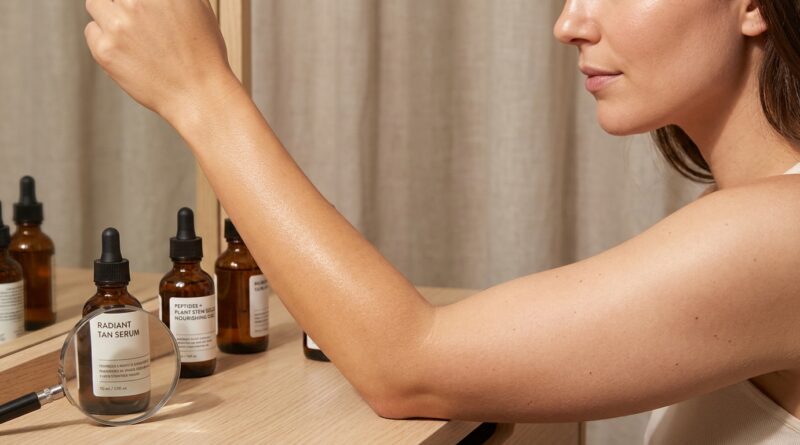
The New ‘Skincare‑First’ Self-Tanners: Are These Hybrid Glow Products Really Safer For Your Skin?
It is annoying, right? You go looking for a simple self-tanner and suddenly every bottle says it is “skincare first,” “barrier friendly,” or “packed with actives.” That sounds great until you remember your skin does not care about marketing words. It cares about what is actually in the formula. If you are trying to figure out skincare infused self tanner safety, the short answer is this: these hybrid products are not automatically safer, but some are genuinely better made than old-school tanners. A good one can give you color while adding moisture and reducing the dry, tight feeling self-tan sometimes causes. A bad one can mix DHA with fragrance, exfoliating acids, and rich oils that clog pores or sting sensitive skin. The trick is knowing which ingredients help, which ones are risky, and how to patch test before you commit your whole face or body to a “healthy glow.”
⚡ In a Hurry? Key Takeaways
- “Skincare infused” self-tanners can be safe, but only if the formula keeps irritating extras low and supports your skin barrier.
- Check for DHA plus simple hydrators like glycerin, hyaluronic acid, panthenol, ceramides, or squalane, and be cautious with strong fragrance, acids, and essential oils.
- The safest way to try a new hybrid tanner is to patch test first, especially on the face, where breakouts and irritation show up fast.
Why these products suddenly seem to be everywhere
Brands know exactly what you want. You want color without sun damage. You also want fewer side effects than the sticky, biscuit-smelling tanners of the past. So now we have overnight tanning masks, peptide bronzing serums, barrier creams with DHA, and “treatment tans” that promise glow plus skin care in one step.
That idea is not bad. In fact, it makes sense. DHA, the main tanning ingredient in most sunless products, can leave skin feeling dry. Adding humectants, soothing ingredients, or barrier-supporting lipids can make a formula more comfortable and help it wear more evenly.
But the label “skincare first” is not regulated in any special way. A brand can say it even if the formula is loaded with perfume or a long list of trendy actives that do not play nicely together.
What actually makes a self-tanner “safer” for skin?
Safer usually comes down to one simple question. Does the formula lower the chance of irritation, clogged pores, and barrier damage, or raise it?
Here is what matters most.
1. A simple DHA base
DHA works by reacting with amino acids in the top layer of your skin to create a temporary tan. It does not need a circus around it. If the tanning base is paired with a short, sensible ingredient list, that is often a good sign.
2. Barrier-friendly support ingredients
These are the extras that can genuinely help:
- Glycerin
- Hyaluronic acid
- Panthenol
- Aloe
- Ceramides
- Squalane
- Colloidal oatmeal
These ingredients can reduce dryness and help skin feel calm while the tan develops.
3. Low-irritation fragrance profile
Fragrance is a big one. Some brands pile on perfume to cover the usual self-tan smell. That can be rough on sensitive skin, especially on the face, chest, or neck. If you are reactive, unscented or very lightly scented is the safer bet.
4. The right texture for your skin type
A rich tanning balm may feel luxurious, but if you are acne-prone it could be too much. On the other hand, a watery tanning serum may be easier for oily skin but not enough for dry skin. Safer does not just mean “gentle.” It also means “less likely to trigger your own common problems.”
The ingredients that deserve a second look
This is where skincare infused self tanner safety gets tricky. It is not that these ingredients are always bad. It is that they can be a bad mix for some people, especially when combined with DHA.
Fragrance and essential oils
If you have ever had a random red patch after trying a “luxury glow mist,” this may be why. Citrus oils, lavender oil, peppermint, and heavy parfum blends can irritate skin, especially if you already use retinoids or acne treatments.
Exfoliating acids
Glycolic acid, lactic acid, salicylic acid, and fruit acid blends can be useful in skin care. But in a self-tanner, they can be a mixed bag. They may increase irritation and can also change how evenly the tan develops or fades. If the product is sold as a nightly treatment plus self-tan, read that ingredient list carefully.
Strong actives with little context
Peptides are usually fine. “Plant stem cells” are mostly a marketing story unless the brand explains what they actually do. Niacinamide is often fine too. But when you see a kitchen-sink formula with acids, retinol-like ingredients, lots of extracts, and DHA all in one, slow down. More is not always better.
Heavy oils and butters
Some body tanners use coconut oil, cocoa butter, or thick occlusives to make skin feel soft. Fine for many bodies. Not always great for acne-prone faces, backs, or chests. If you break out easily, look for words like “non-comedogenic” and still patch test because that claim is not a guarantee.
Face tanner versus body tanner. Yes, it matters.
This is one of the easiest mistakes to make. A body tanner with fragrance and rich oils may be perfectly okay on legs but a disaster on your face.
Your face is usually more sensitive. It also has more variables. Acne, rosacea, eczema, retinoid use, shaving, exfoliation, all of that changes what your skin can handle.
For the face, the safest hybrid tanners usually have:
- Lower DHA levels
- Minimal fragrance
- Lightweight hydration
- No strong acids
- No heavy pore-clogging feel
If a product says it works “everywhere,” I would still be more cautious using it on the face unless the formula clearly supports that use.
How to read the label without needing a chemistry degree
You do not need to decode every ingredient. Start with a quick scan.
Green flags
- DHA near the middle of the list, with hydrators around it
- Glycerin, panthenol, aloe, ceramides, squalane, hyaluronic acid
- Short to moderate ingredient list
- Fragrance-free or low-fragrance positioning
Yellow flags
- Lots of botanical extracts with no clear purpose
- Perfume high on the ingredient list
- Acids plus DHA in the same formula
- Very rich oils if you are acne-prone
Red flags
- It stings on application
- The brand hides the full ingredient list
- It promises anti-aging, resurfacing, tanning, pore clearing, and overnight repair all at once
- You have reactive skin and the formula is packed with fragrance or essential oils
Are peptides, barrier oils, and “plant stem cells” worth paying extra for?
Sometimes yes. Often, only a little.
Peptides are usually not the problem in these formulas. They are generally mild and unlikely to upset skin on their own. Barrier oils like squalane can be genuinely useful, especially if DHA usually leaves you dry. Ceramides and panthenol are also worth noticing because they support comfort and barrier health.
Plant stem cells are where I would lower expectations. That phrase sounds fancy, but it often means “botanical extract with a nice story.” It does not automatically mean the product is better or safer.
If the price jumps because of trendy add-ins, ask yourself a basic question. Would I still want this if it were just a well-made self-tanner with simple hydration? If the answer is no, the extra claims may be fluff.
How to patch test a hybrid self-tanner
This is the part people skip, then regret.
For body products
Apply a small amount to the inner arm or side of the torso. Wait 24 hours. Better yet, 48. Watch for itching, tiny bumps, heat, redness, or painful dryness.
For face products
Test near the jawline or just below the ear. Do not use it all over your face the first night. If you already use retinoids, benzoyl peroxide, acids, or prescription treatments, do not stack everything together on test night.
What counts as a bad reaction
- Burning
- Redness that keeps building
- Itchy bumps
- New clogged pores within a day or two
- Dry, tight, flaky patches
If you get any of that, do not talk yourself into it because the color looks nice. Your skin is already voting no.
Best practices if you want the glow without the drama
Keep your routine boring on tanning day
If you are using a hybrid tanner, that is not the night to also experiment with a peel pad, retinoid sandwich, and fragranced sleeping mask. Keep things simple.
Use separate skin care if needed
Sometimes the smartest move is not buying the all-in-one product at all. A plain, reliable self-tanner plus your usual moisturizer may be better than a trendy hybrid that does five things badly.
Be careful with exfoliation timing
Exfoliate before tanning if you need to smooth dry patches, but do not overdo it. Over-exfoliated skin can sting, tan unevenly, and react more easily.
Do not confuse self-tanner with sun protection
This still matters. A fake tan does not protect you from UV damage. Even if a formula talks about antioxidants and barrier support, it is not a substitute for sunscreen.
Who should be extra careful?
- People with eczema or rosacea
- Anyone using prescription acne or anti-aging treatments
- People with fragrance allergies
- Those prone to fungal acne or clogged pores
- Anyone with a damaged skin barrier
If you are in one of these groups, the safest choice is usually a simpler formula, fewer “hero” actives, and a patch test every single time you try a new product.
So, are these hybrid glow products really safer?
Sometimes. Not by default.
The good versions are better because they respect the fact that self-tanning can be drying and sometimes irritating. They add hydration, reduce tightness, and make the experience easier on skin.
The bad versions are just regular self-tanners wearing a skin care costume. They use buzzwords, throw in perfume and random actives, and hope you mistake “more ingredients” for “more care.”
That is why skincare infused self tanner safety comes down to the formula, not the trend.
At a Glance: Comparison
| Feature/Aspect | Details | Verdict |
|---|---|---|
| Helpful skincare add-ins | Glycerin, panthenol, ceramides, squalane, aloe, hyaluronic acid can reduce dryness and support the skin barrier. | Usually a good sign |
| Risky extras | Heavy fragrance, essential oils, exfoliating acids, and very rich oils can trigger irritation or breakouts in some users. | Use caution |
| Overall safety | These products are safer than UV tanning, but not automatically safer for sensitive or acne-prone skin than a basic self-tanner. | Depends on the formula |
Conclusion
The new wave of “skincare first” self-tanners is not all hype, but it is not all smart skin care either. We have seen a real spike in sunless brands and devices pushing night masks, peptide blends, plant stem cell claims, and barrier oils as the future of tanning. That creates a real opportunity if you want a bronzed look with less UV exposure, and a real risk if you end up with a formula that quietly piles fragrance, acids, or cloggy oils on top of DHA. The safest way through the noise is to ignore the shiny claims and read for the basics. Look for hydration, low irritation, and a texture that suits your skin type. Patch test before you go all in. If you do that, you can try the newest launches with a lot more confidence, avoid wasting money on products that sound better than they perform, and keep your skin calm while still getting the even, healthy-looking glow you actually wanted.