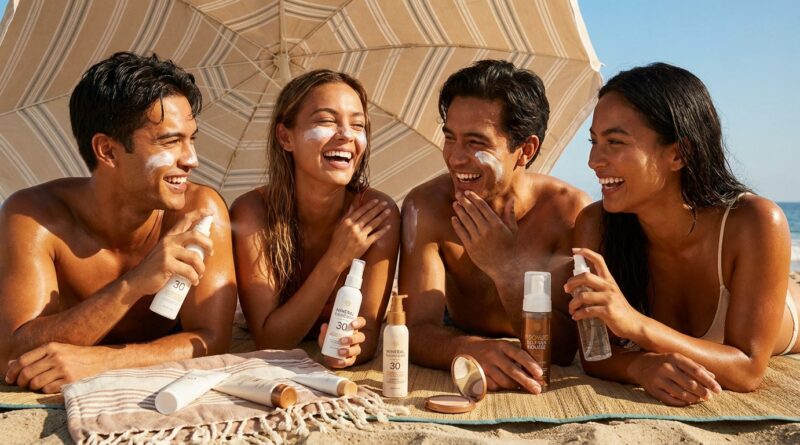
New ‘No-Sun Backup Plan’ Rule: How To Build A Sunless Tan Routine That Still Protects You On Real Beach Days
You can do everything “right” for summer and still get tripped up here. A lot of people hear “there’s no safe tan,” switch to self-tanner, buy a high-SPF sunscreen, then assume the glow plus a quick swipe of SPF means they’re covered for a long beach day. That is where trouble starts. A sunless tan can give you color, but it does not give you built-in UV protection. Not even a little in any reliable way. If you want both the look and the actual safety, you need a backup plan that treats self-tan as cosmetic color and sunscreen as your real shield. The good news is this is not complicated once you know the order. If you’re wondering how to use self tanner and sunscreen together safely, think of it as a two-part routine. First, create the glow. Then, on actual outdoor days, protect that skin like it is untanned, because medically speaking, it is.
⚡ In a Hurry? Key Takeaways
- Self-tanner adds color, not sun protection. You still need broad-spectrum sunscreen every time you’re outside.
- Apply self-tanner the night before if you can, then use a full amount of SPF 30 or higher, ideally SPF 50, on beach or pool days and reapply every two hours.
- If you have sensitive or acne-prone skin, pick fragrance-free self-tanner and non-comedogenic sunscreen, then patch-test both before a big outdoor day.
The rule to remember: bronzed does not mean protected
This is the part social media often skips. Self-tanner works by coloring the very top layer of your skin. It does not train your skin to handle UV rays. It does not create a protective tan. And it does not replace sunscreen.
A real tan from the sun is actually skin damage. A fake tan is just color. That is why sunless tanning is the safer choice. But safer than tanning in the sun is not the same as protected from the sun.
If you remember one line this summer, make it this: your self-tan is for looks, your sunscreen is for health.
How to use self tanner and sunscreen together safely
Step 1: Do your self-tan before your beach day, not right before
The easiest routine is to self-tan the night before, or at least several hours before you plan to be outside. That gives the color time to develop and lowers the chance that rubbing, sweating, or layering products will turn patchy.
A simple prep routine looks like this:
- Shower and gently exfoliate dry spots like elbows, knees, ankles, and wrists.
- Use a light, oil-free moisturizer only on the driest areas if needed.
- Apply self-tanner evenly to clean, dry skin.
- Wait the brand’s recommended dry time before dressing.
- Let it fully develop before adding other body products.
If you apply sunscreen too soon after self-tanner, especially if the tan is still developing, you can end up with streaks or uneven fading.
Step 2: On outdoor days, start with dry skin and full sunscreen coverage
When it is time to head outside, apply sunscreen to clean, dry skin over your developed self-tan. Use a broad-spectrum formula with SPF 30 or higher. For beach, pool, sports, or long afternoon exposure, SPF 50 is the safer bet.
Most people simply do not use enough. That is a huge reason burns still happen.
For the body, a good rule is about one ounce total, roughly a shot-glass amount, to cover exposed skin. For the face, use about two finger lengths of sunscreen, depending on the product texture and package directions.
Step 3: Give sunscreen time to set
Apply sunscreen 15 minutes before you go outside, unless the label says otherwise. This matters more than people think. If you put it on as you hit the sand, you may spend your first chunk of sun exposure half-protected.
Step 4: Reapply like your tan depends on it, because your skin does
Reapply every two hours at minimum. Reapply sooner after swimming, heavy sweating, or towel-drying, even if the product says water resistant. Water resistant does not mean all-day.
If you are worried about ruining your glow, remember this: a little fading is fixable. A sunburn is not. You can always refresh self-tanner later. You cannot undo UV damage.
A practical “no-sun backup plan” routine for a real beach or pool day
Here is the easy version you can actually use this weekend.
The night before
- Exfoliate gently.
- Shave or remove hair earlier in the day if needed, not right after tanning.
- Apply self-tanner evenly.
- Sleep in loose clothing if your tanner tends to transfer.
The morning of
- Check that your self-tan has fully developed.
- Apply broad-spectrum SPF 30 or SPF 50 generously to all exposed skin.
- Do not forget ears, tops of feet, back of neck, hands, and scalp part lines.
- Bring the sunscreen with you. If it stays in the car or bathroom, it does not count.
At the beach or pool
- Reapply every two hours.
- Reapply after swimming or sweating.
- Use a hat, sunglasses, and shade when possible.
- Take the first hot weekend seriously. Early-season burns are common because people underestimate the sun.
What kind of sunscreen works best over self-tanner?
You do not need a special “self-tan-safe” sunscreen. You need one you will apply generously and reapply often.
Mineral sunscreen
Mineral formulas usually use zinc oxide, titanium dioxide, or both. These can be a good pick for sensitive skin because they are often less irritating. Some people also like them because they start working right away, though you should still follow label directions.
The downside is cosmetic. Some mineral sunscreens can leave a white cast or feel thicker, which may be more noticeable over a self-tan.
Chemical sunscreen
These are often easier to spread and may feel lighter on the skin. That can make it easier to use the full amount. The trade-off is that some people with sensitive skin find certain formulas sting or irritate them.
The best sunscreen is still the one you will use enough of, without rationing it because it feels sticky, chalky, or expensive.
Spray sunscreen and “sprays not rays” need a reality check
Spray self-tanner is fine for color. Spray sunscreen is where people get sloppy. It is very easy to under-apply sprays, especially outdoors in wind. If you use a spray sunscreen, apply enough to make the skin visibly wet, then rub it in unless the label says not to.
For many people, lotion is still the easiest way to know they got full coverage.
How to avoid ruining your self-tan with sunscreen
You can protect your skin and keep the glow looking decent. A few small habits help.
- Let self-tanner fully develop before sunscreen goes on.
- Use sunscreen with gentle rubbing instead of aggressive massaging.
- Pat dry after swimming instead of scrubbing with a towel.
- Moisturize after sun exposure to help the self-tan fade more evenly.
- Touch up your self-tan later rather than skipping sunscreen now.
If you have sensitive skin
This is where routines can get annoying fast. Self-tanner can itch. Sunscreen can sting. Layer both and your skin may complain.
Try this approach:
- Pick fragrance-free self-tanner if possible.
- Patch-test on a small area 24 to 48 hours before full application.
- Choose a mineral sunscreen if standard formulas tend to burn or sting.
- Avoid applying self-tanner right after shaving if your skin gets reactive.
- Skip heavily fragranced after-sun products.
If your skin barrier is already irritated, from retinoids, exfoliating acids, or a recent rash, it may be smarter to pause self-tanner until things calm down.
If you have acne-prone skin
Body acne and facial breakouts can make this even more confusing because rich tanning and SPF products may seem like a recipe for clogged pores. The fix is not skipping sunscreen. It is choosing better textures.
- Look for non-comedogenic sunscreen for the face, chest, and back.
- Use oil-free or lightweight mousse self-tanners if creams tend to feel heavy.
- Do not layer thick body oils under self-tanner if you break out easily.
- Wash off sweat after outdoor time instead of sitting in it for hours.
If your face is very acne-prone, you may even want to keep self-tanner on the body only and use bronzing drops or makeup on the face instead of a leave-on face tanner.
Common mistakes that cause burns
Most burns do not happen because people never heard of sunscreen. They happen because of small bad assumptions.
- Thinking a self-tan gives you a base tan. It does not.
- Using SPF 50 but applying half the needed amount.
- Applying once in the morning and never reapplying.
- Forgetting easy-to-burn spots like feet, ears, lips, and scalp lines.
- Trusting a quick spray pass as full coverage.
- Staying out longer because bronzed skin “looks protected.”
The simple rule for first hot weekends
The first truly warm days of the season catch people off guard every year. Skin is paler. Routines are rusty. People stay out longer than planned. This is exactly when a backup-plan mindset helps.
Assume you will need more sunscreen than you packed. Assume the UV is stronger than it feels. Assume your self-tan changes nothing about your burn risk.
That sounds strict, but it is actually freeing. Once you stop expecting your glow to do any protective work, the routine gets much simpler.
At a Glance: Comparison
| Feature/Aspect | Details | Verdict |
|---|---|---|
| Self-tanner | Adds surface color for a bronzed look but does not provide reliable UV protection. | Great for glow, useless as sun defense. |
| Sunscreen amount | About one ounce for the body and a generous amount for the face, applied 15 minutes before sun exposure. | This is the protection step you cannot cut short. |
| Reapplication | Every two hours, and sooner after swimming, sweating, or towel-drying. | Essential for beach and pool days, even with high SPF. |
Conclusion
The safest summer glow is still the one that comes from a bottle, not from UV damage. That message is finally getting through, but the missing piece is the day-to-day routine. A self-tan can absolutely be part of your summer plan. It just cannot be mistaken for protection. If you want to know how to use self tanner and sunscreen together safely, the answer is simple: tan first, protect second, and reapply like it matters. Because it does. Right now people are hearing a lot about high-SPF formulas, mineral options, and “sprays not rays,” but many are still getting burned because they think bronzed skin plus one rushed coat of sunscreen is good enough. It is not. A clear backup plan, especially for those first hot weekends, gives you something useful instead of just another warning. Keep the glow. Respect the sun. Treat sunscreen as the non-negotiable step every single time.