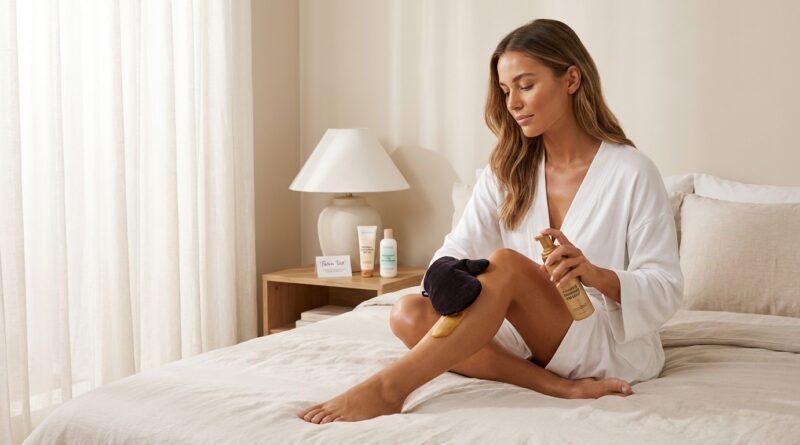
How to Get a Safe, Sunless Glow in 2026: The Best Way to Use DHA Self-Tanners Without Hurting Your Skin
You are not imagining the mixed messages. One minute you hear that tanning beds are dangerous. The next, someone says self-tanner is “safe” and leaves it there, as if streaks, itchy skin, weird scents, and mystery ingredients do not matter. If you just want a believable glow without gambling with your skin, the real question is not whether DHA self-tanner is perfect. It is whether you can use it in a smart, skin-friendly way. For most people, the answer is yes. DHA self-tanners are still a much safer choice than tanning in the sun or under UV lamps because they color the top layer of dead skin instead of exposing living skin to ultraviolet damage. But safe use still matters. The right formula, a patch test, good prep, and simple aftercare can mean the difference between a healthy-looking glow and a dry, blotchy mess.
⚡ In a Hurry? Key Takeaways
- DHA self-tanners are generally safer than UV tanning because they do not rely on sun or tanning-bed radiation.
- To safely use sunless tanning products with DHA, patch test first, apply to clean and dry skin, avoid inhaling sprays, and keep the product away from eyes, lips, and broken skin.
- Self-tanner does not replace sunscreen, and the best-looking results usually come from gentle prep, steady moisturizing, and careful reapplication.
Why DHA Self-Tanner Is Usually the Safer Option
DHA stands for dihydroxyacetone. It is the ingredient in most sunless tanners that reacts with amino acids in the outermost layer of your skin. That reaction creates a temporary browning effect that looks like a tan.
The big difference is this. DHA works on the surface. UV tanning works by exposing your skin to radiation. That exposure can speed up skin aging and raise skin cancer risk. So if your goal is color without UV damage, DHA is the better route.
That does not mean every self-tanner is gentle for every person. Skin can still get irritated by fragrance, preservatives, essential oils, alcohol, or added actives. That is why the safest approach is not just “buy any mousse and hope for the best.” It is choosing carefully and using it correctly.
How to Safely Use Sunless Tanning Products with DHA
1. Start with a patch test
This is the step people skip, then regret. Apply a small amount behind your ear, along your jaw, or on the inside of your arm. Wait 24 hours. If you notice burning, itching, swelling, or a rash, do not use it all over.
A patch test also helps you preview the color. Some formulas run golden. Others lean orange, olive, or deep brown.
2. Read the ingredient list like a smart shopper
You do not need a chemistry degree. Just scan for a few common troublemakers if your skin is sensitive:
- Heavy fragrance or parfum
- High amounts of drying alcohols
- Essential oils if you are reactive
- Strong exfoliating acids mixed into the tanning formula
If your skin is dry or easily annoyed, look for added glycerin, hyaluronic acid, aloe, or other simple moisturizers. The fewer “extra” ingredients, the easier it is to figure out what your skin actually tolerates.
3. Prep your skin, but do not overdo it
Good prep gives you a more even result and helps avoid patchy fade. The night before or the day of application, take a quick shower and gently exfoliate rough spots like knees, ankles, elbows, and wrists.
Gentle is the key word. Scrubbing your skin raw will not help. It can actually make the tan grab unevenly and sting on application.
If you shave or wax, do that at least several hours before self-tanner, ideally the day before if your skin gets irritated easily. Freshly shaved skin can be more sensitive.
4. Moisturize the dry zones, not your whole body
Right before tanning, apply a light layer of plain moisturizer to dry areas only. Think elbows, knees, ankles, hands, and feet. That creates a buffer so those spots do not turn too dark.
Avoid slathering lotion everywhere right before application unless the brand specifically says it is okay. Too much moisturizer can dilute the tan or make it slide around.
5. Use gloves or a tanning mitt
This sounds basic, but it is one of the best ways to avoid stained palms and over-application. A mitt also helps spread product more evenly.
Apply in thin layers. Start with less than you think you need. It is much easier to build color than to fix dark streaks.
6. Be extra careful with sprays and mists
Here is the part many quick guides leave out. If you are using a spray, aerosol, or fine mist, do not inhale it on purpose. Use it in a well-ventilated area. Hold your breath briefly when spraying your face, or better yet, use face drops or a lotion designed for the face instead.
Keep the product away from your eyes, inside your nose, and your lips. DHA is intended for external use on the skin, not for inhalation or mucous membranes.
7. Keep it off broken, inflamed, or sunburned skin
If your skin is cracked, peeling, freshly sunburned, or flaring from eczema, hit pause. Self-tanner can make irritation worse and usually looks uneven on damaged skin anyway.
What About Your Face?
Your face is where people often run into trouble. Facial skin can be more reactive, and pores can grab color in odd ways.
The safer move is to use a face-specific self-tanner, tanning drops mixed into a simple moisturizer, or a gradual tanning lotion. Avoid putting strong body mousse all over your face unless you already know your skin handles it well.
If you are acne-prone, pick non-comedogenic formulas when possible and avoid layering self-tanner over heavy occlusives. If you use retinoids, benzoyl peroxide, or exfoliating acids, know that your tan may fade faster and your skin may be more sensitive.
Common Mistakes That Cause Irritation or Patchy Results
- Applying too much product at once
- Skipping the patch test
- Using self-tanner on dry, flaky skin
- Putting it on right after harsh exfoliation
- Forgetting hands, feet, knees, and elbows need a lighter touch
- Using fragranced formulas on sensitive skin
- Thinking self-tanner gives you sun protection
That last one matters a lot. A fake tan may look like sun-kissed skin, but it does not mean your skin is protected. You still need broad-spectrum sunscreen every day you are exposed to daylight.
How to Make a DHA Tan Last Without Wrecking Your Skin
Moisturize daily
DHA color sits in the top layer of skin, so when that skin dries out and sheds unevenly, your tan goes with it. Use a simple, fragrance-light moisturizer once or twice a day.
Skip harsh scrubs while the tan is developing
For the first day or so, let the color settle in. After that, avoid rough exfoliating gloves or aggressive acids if you want an even fade.
Take lukewarm showers
Hot water can dry out skin and speed up patchy fading. Gentle body wash helps too.
Top up gradually
Instead of doing one very dark application and hoping for the best, many people get better results by using a gradual tanner or reapplying a light layer every few days.
Is DHA Safe for Everyone?
For most healthy adults using it externally on intact skin, DHA self-tanner is considered a reasonable and much safer cosmetic option than UV tanning. But “safer” is not the same as “zero risk” for every person in every situation.
You should be more cautious if you:
- Have very sensitive or allergy-prone skin
- Have eczema, rosacea, or an active skin condition
- Are using prescription skin treatments
- Plan to use spray tanning in a poorly ventilated space
If you have a history of severe skin reactions, ask a dermatologist before trying a new product. It is a small step that can save you a lot of trouble.
How to Pick a Better Product in 2026
Self-tanners have improved a lot. In 2026, the best formulas are usually lighter, easier to spread, and less likely to smell like the old-school “biscuit” tan from years past. But marketing can still get ahead of reality.
Look for products that are clear about:
- The DHA percentage or intended depth of color
- Whether the formula is for body, face, or both
- Whether it contains fragrance
- Whether it is a mousse, lotion, serum, drops, or mist
- How long it needs to develop before rinsing or dressing
If you are new to this, start with a gradual tanner or lower-strength formula. It is much more forgiving.
A Simple Routine That Works for Most People
- Patch test 24 hours ahead.
- Exfoliate gently.
- Shave or wax well before application if needed.
- Apply a little moisturizer to dry joints and hands and feet.
- Use a mitt and apply self-tanner in thin, even layers.
- Let it dry fully before dressing.
- Avoid sweating or showering during the brand’s development window.
- Moisturize daily after the tan develops.
- Wear sunscreen outdoors, every time.
At a Glance: Comparison
| Feature/Aspect | Details | Verdict |
|---|---|---|
| DHA self-tanner vs UV tanning | DHA colors the outer dead skin layer. UV tanning exposes living skin to radiation. | DHA is the safer option for getting color. |
| Application safety | Patch testing, avoiding broken skin, and using sprays carefully reduce irritation and exposure problems. | Good technique matters almost as much as the product itself. |
| Skin health after tanning | Daily moisturizer and sunscreen help maintain the look and protect your skin. | Best results come from aftercare, not just application day. |
Conclusion
If you want that vacation glow without the real damage that comes from UV beds or lying out in the sun, DHA self-tanner is still the smarter path. The trick is knowing how to safely use sunless tanning products with DHA so your skin stays calm and your color looks natural. That means patch testing, choosing simpler formulas when possible, applying carefully, avoiding inhaling sprays, and treating sunscreen as non-negotiable. There is a big push right now to steer people away from risky tanning habits, and that is a good thing. But “just use self-tanner” is not enough advice on its own. A little prep and aftercare go a long way. Done right, self-tanner can give you the sun-kissed look you want while keeping long-term skin health front and center, which is exactly how smart tanning should work.