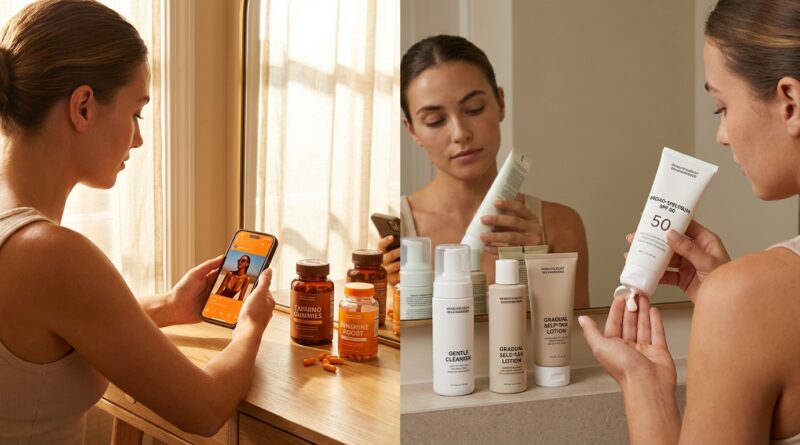
Are TikTok’s ‘Edible Tan’ Gummies Really Safer Than Self‑Tanner? What Dermatologists Want You To Know
If you have sensitive skin, hate the smell of self-tanner, or feel nervous about putting yet another product on your body, TikTok’s “edible tan” gummies can sound like the easy answer. Just chew a gummy, skip the streaks, and wake up glowing. That is the pitch, anyway. The problem is that these products are being sold as if they are a simple beauty hack, when they can be a lot more complicated than that. Dermatologists say the short answer to “are tanning gummies safe” is not really, at least not in the way social media makes them seem. Some contain high doses of color-changing pigments like beta-carotene or canthaxanthin. Others mix in vitamins, herbs, and additives that may not be well tested together. You might get a warmer skin tone. You might also get orange palms, stomach upset, eye issues, or a false sense that you are somehow protected from the sun, which you are not.
⚡ In a Hurry? Key Takeaways
- Tanning gummies are not considered a clearly safe replacement for self-tanner, and they do not protect you from UV damage.
- Check the ingredient list for canthaxanthin, mega-dose beta-carotene, vitamin A, and herbal blends before taking any “tan” supplement.
- For most people, SPF plus a patch-tested topical sunless tanner is still the safer, more predictable route.
Why “edible tan” is blowing up right now
The appeal is easy to understand. No mitt. No mess. No biscuit smell. No worrying that DHA, the active ingredient in most self-tanners, will irritate your skin.
On TikTok, that gets turned into a very simple story. If self-tanner sits on your skin, gummies must be gentler. If they are sold as supplements, they must be natural. If creators look golden after a few weeks, they must work exactly as advertised.
Real life is not that tidy.
Most tanning gummies do not create a true tan. They usually work by loading the body with pigments, often carotenoids, that can slightly change skin tone over time. That is very different from a self-tanner, which darkens the outermost layer of skin. It is also very different from melanin, which is the pigment your skin makes in response to UV exposure.
So, are tanning gummies safe?
For most dermatologists, the safer answer is “not safe enough to recommend casually.” That does not mean every gummy will cause harm. It means the risks, unknowns, and lack of regulation make them a poor beauty shortcut, especially compared with more predictable sunless options.
What worries dermatologists most
1. Supplements are not regulated like medicines.
A tanning gummy can be sold with a polished label and still have limited testing behind it. Ingredient quality, dose accuracy, and long-term safety are not always clear.
2. The color change can come from pigment overload, not a healthy glow.
High levels of beta-carotene can cause carotenoderma, where the skin turns yellow-orange, especially on the palms, soles, and around the nose. It is not usually dangerous by itself, but it is a sign that you are pushing pigment intake hard.
3. Some formulas may strain the liver or cause side effects.
This is a bigger concern with certain ingredients and with high-dose, long-term use. If a product contains multiple fat-soluble vitamins or herbal extracts, “more” is not automatically better.
4. They can interact with medications and health conditions.
If you have liver disease, are pregnant, take acne medication, use blood thinners, or have digestive disorders, a “beauty gummy” may not be harmless.
5. They can make people careless about sun safety.
This one matters a lot. Looking a little more golden does not mean your skin has more protection. These products are not sunscreen. They do not lower your skin cancer risk. They do not stop burns.
What is actually inside these gummies and pills?
The ingredient list is where things get real fast. Here are the ones to watch.
Beta-carotene
This is a pigment found naturally in foods like carrots and sweet potatoes. In supplement form, high doses can build up and tint the skin. That sounds harmless until you realize the “tan” may look more orange than bronzed, and dose matters.
There is also a history of concern around high-dose beta-carotene supplements in certain groups, especially smokers, where studies found increased health risks. That does not mean one gummy equals danger. It does mean this is not a cute little ingredient to take blindly.
Canthaxanthin
This is the ingredient that tends to get the biggest reaction from dermatologists. It has been used in tanning pills in the past, but it is not approved by the FDA for tanning. It can deposit in the skin and create a bronzed-orange look, but it has also been linked to side effects including hives, digestive issues, liver injury, and canthaxanthin retinopathy, where crystals build up in the retina.
If a product contains canthaxanthin, that is a major red flag.
Vitamin A and other fat-soluble vitamins
Some formulas stack in vitamins that can build up in the body. Too much vitamin A can be harmful, especially over time. If you are already taking a multivitamin, acne treatment, or prenatal vitamin, it is easy to double up without realizing it.
Herbs and “glow blends”
This is where labels can get fuzzy. You may see plant extracts and antioxidant blends marketed as skin-friendly. Some may be fine. Some may upset your stomach, affect medications, or just do nothing useful at all.
Are gummies safer than self-tanner?
For most people, no. They are not automatically safer. They are just different.
Topical self-tanner, usually made with DHA, has its own annoyances. It can smell weird. It can cling to dry patches. Some people with very reactive skin do better after patch testing or choosing a fragrance-free formula. But when used properly on intact skin, self-tanner is generally more predictable than swallowing a supplement for a cosmetic result.
That predictability matters. You know where you applied it. You know when to stop. You do not have to wonder how your liver, eyes, digestion, or medication list will respond.
If DHA makes you nervous
That concern is fair. But there is a big difference between asking, “Is this topical ingredient right for my skin?” and assuming an ingestible product must be safer. Skin irritation is usually visible and local. Supplement problems can be harder to spot until you feel unwell or notice a strange color shift.
Who should be extra careful
You should talk to a doctor or pharmacist before trying any tanning supplement if you:
- Are pregnant or breastfeeding
- Smoke or used to smoke heavily
- Have liver or kidney disease
- Take acne medications, blood thinners, or multiple supplements
- Have a history of eye disease
- Have eczema, psoriasis, rosacea, or autoimmune conditions and are hoping this is a “skin-friendly” shortcut
That last point is important. Sensitive skin does not always mean sensitive digestion, and vice versa. A product that skips your skin barrier can still affect your body in other ways.
Red flags to watch for before you buy
If you are still tempted, slow down and look for these warning signs:
- No clear ingredient amounts
- Claims that it is “safer than sunscreen” or “sun protection from within”
- Before-and-after photos with heavy filters or different lighting
- Promises of a deep tan in just a few days
- Secret “proprietary blends”
- Very high daily percentages of vitamin A or beta-carotene
- Any mention of canthaxanthin
Also check for third-party testing. It is not a magic shield, but it is better than buying a mystery gummy from a viral video and hoping for the best.
A safer way to get glow without the gamble
If your goal is healthy-looking color, the boring answer is still the best one. Use the sunless tools that are most studied and easiest to control.
Try this instead
- Use a patch-tested self-tanner or gradual tanning lotion
- Prep dry areas so the color goes on evenly
- Keep your regular SPF routine
- Eat a balanced diet with normal food sources of carotenoids, instead of mega-dosing supplements
- Skip any product that makes you choose between “natural” and “regulated”
If you want just a little warmth, tinted body lotions, bronzing drops, and wash-off skin tints can be even lower stress than a full self-tan routine. They are not permanent, but they are honest. You put them on. You wash them off. No mystery.
Questions to ask before taking any tanning gummy
- What exact ingredient is supposed to create the tan?
- Is that ingredient approved for this use?
- What is the actual dose?
- Could it interact with anything I already take?
- Is there any real safety data, not just influencer testimonials?
- Would I still be comfortable taking it if it gave me no visible glow at all?
That last question is a good reality check. If the answer is no, it may be more beauty gamble than health choice.
At a Glance: Comparison
| Feature/Aspect | Details | Verdict |
|---|---|---|
| How the color happens | Gummies often rely on ingested pigments like beta-carotene or canthaxanthin. Self-tanner darkens the top layer of skin with DHA. | Self-tanner is more predictable. |
| Safety profile | Supplements can affect the whole body, may interact with meds, and are less tightly regulated. Topicals can irritate skin, but effects are usually local and easier to stop. | Topical sunless products are usually the safer bet. |
| Sun protection | Neither option gives meaningful UV protection. A bronzed look can trick people into skipping SPF. | You still need sunscreen, every time. |
Conclusion
TikTok makes tanning gummies look like a smart middle ground. No UV, no streaks, no smell. But the fact that something is chewable does not make it gentle, and the answer to “are tanning gummies safe” is usually “not safe enough to treat casually.” This matters for the I Love Tanning community because ingestible tanning trends are spreading fast and often get framed as safer than both sun exposure and classic self-tanner. Many of these products are poorly regulated, can mix badly with skin conditions and medications, and may bring risks like carotenoderma, liver strain, eye problems, or false confidence in the sun. A sunless-first, skin-health-first approach is still the smartest path. Ask better questions, read labels closely, keep using SPF, and if you want glow, stick with options that are easier to control and easier to stop. Your skin does not need a viral shortcut. It needs steady, sensible care.